Police in Durg have uncovered a massive illegal opium plantation allegedly operated by a local BJP leader, sending shockwaves through the state’s political landscape.
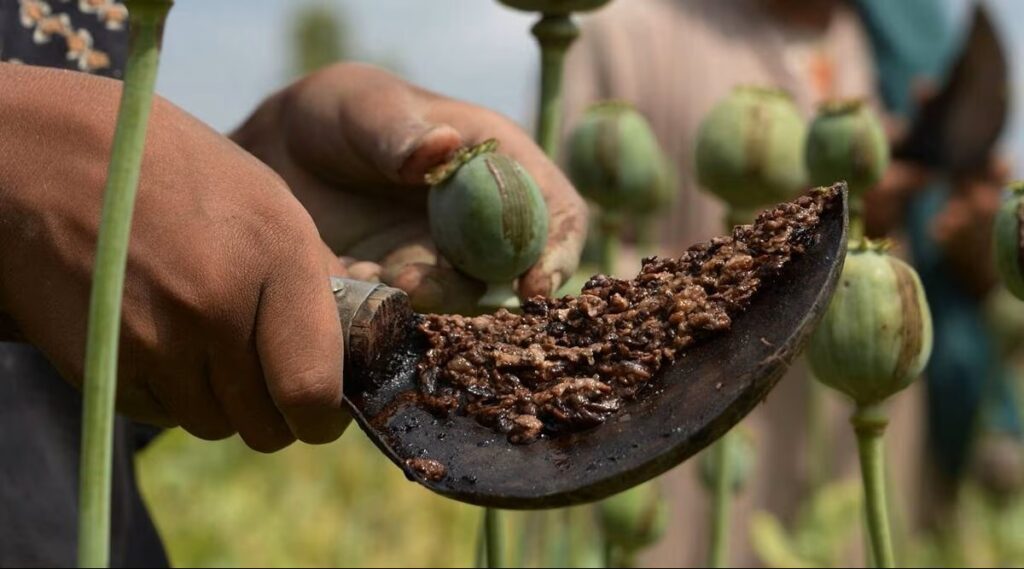
Durg police didn’t expect to find a drug factory hidden in plain sight. But there it was. Nestled in the quiet village of Samoda, a sprawling field of vibrant poppies stood in total defiance of federal law. This wasn’t just another rural bust; the man allegedly behind the seeds is a local BJP politician, and the fallout is already getting messy.
Raiding officers moved in this week after receiving a “specific tip” that changed everything. They found hundreds of opium plants—vivid, illegal, and ready for harvest. In India, you don’t just plant opium because you feel like it. The Central Bureau of Narcotics (CBN) keeps a suffocating grip on poppy cultivation, licensing it only in specific pockets of Madhya Pradesh, Rajasthan, and Uttar Pradesh. Chhattisgarh isn’t on that list.
So, how did a ruling party figure end up running a shadow drug operation?
“We are currently verifying the land records to confirm ownership,” a senior police official stated, though locals aren’t waiting for the paperwork. They’ve already named names. The politician in question, whose identity is being shielded by some local circles while others scream it from the rooftops, has gone quiet. His phone is off. His office is locked.
Nobody in Durg believed a high-profile leader would take such a massive risk. Opium farming is a high-stakes game with a guaranteed prison sentence if you aren’t carrying a federal permit. And let’s be clear: there are no permits here. This was a pure, off-the-books cash crop.
But the political optics are even worse than the criminal charges.
The BJP has long positioned itself as the party of “law and order,” often slamming rivals for being soft on the drug menace. Now, the mud is sticking to their own boots. Is this a case of a rogue local leader, or does the rot go deeper? The opposition is already sharpening the knives, demanding to know why a man with “saffron ties” felt untouchable enough to grow narcotics in his backyard.
The raid itself was clinical. Teams of police and excise officials descended on the Samoda village plot, documenting the scale of the cultivation before starting the destruction process. Under the NDPS Act, the penalties for this kind of “gardening” are brutal. We aren’t talking about a slap on the wrist. We’re talking about years behind bars.
It’s a bizarre sight for Durg. This isn’t the Golden Triangle; it’s a district known more for its industrial heat than its narcotic harvests. Yet, the evidence is undeniable. Rows of lanced poppy heads don’t lie.
Why did he do it? Greed is the easy answer. The black market for raw opium gum is lucrative, and the “protection” offered by a political title usually keeps the heat away. Until it doesn’t.
The BJP state leadership is currently in damage-control mode. They haven’t issued a formal defense yet, mostly because the optics of defending an opium farmer are, frankly, suicidal. Expect a “expelled from the party” notice to hit the wires the moment the police file the formal FIR naming him.
But will that be enough to stop the bleeding?
Every plant pulled from that dirt in Samoda is a fresh headache for the administration. The investigation is now shifting toward the distribution network. You don’t grow that much opium just to look at it. There’s a buyer, a middleman, and a destination.
And if the police actually pull the thread, who else comes tumbling out of the closet?
Durg is watching. The state is watching. What was supposed to be a quiet harvest has turned into a political bonfire that might just burn down a few more careers before the week is out.
The investigation is ongoing, and more arrests are expected as the police trace the money trail behind the seeds.