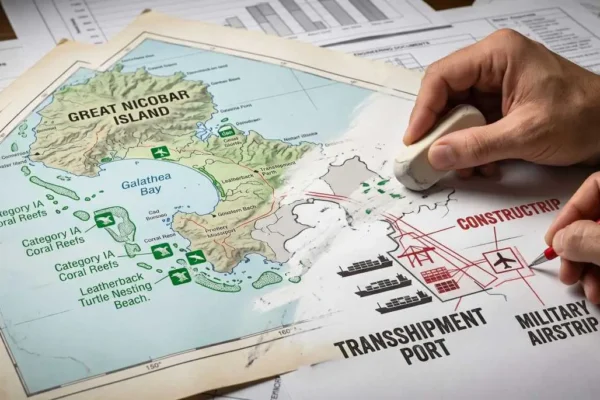
Record vehicle queues are stretching for miles across major Indian metros as rumors of supply shortages and sudden price hikes trigger a buying frenzy.
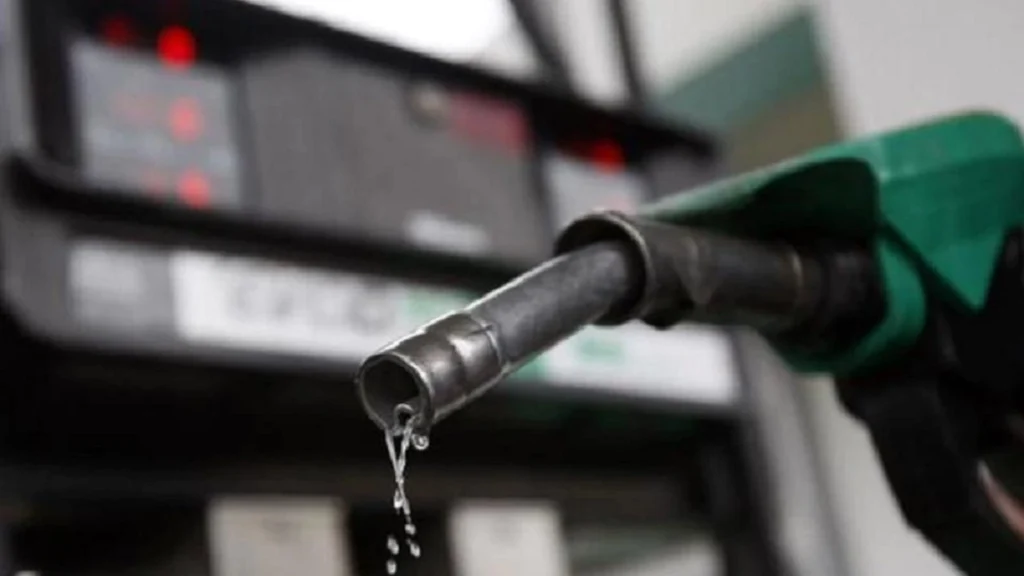
Thousands of motorists across India are swamping fuel stations tonight, creating gridlock in major cities as fears of a massive price hike and a looming supply crunch take hold of the national psyche.
The panic didn’t start in a boardroom. It started on the asphalt. In Delhi, Mumbai, and Bengaluru, the scenes are identical: motorcycles, cars, and heavy-duty trucks are idling for hours in lines that spill out of station forecourts and paralyze local traffic. Police units in Hyderabad have been deployed to manage crowds at state-run pumps where tempers are fraying under the heat.
Oil marketing companies have remained largely silent as the queues grew. But the numbers tell the story. Preliminary data from local petroleum dealer associations suggests a 400% spike in evening demand compared to the weekly average. People aren’t just filling their tanks; they’re bringing plastic canisters and steel drums, desperate to hedge against a hit to their wallets that many believe is coming before sunrise.
The Ministry of Petroleum and Natural Gas issued a brief statement late this evening via social media. They’ve urged citizens not to panic, stating that there is no shortage of fuel in the country’s central reserves.
But the public isn’t buying the official line.
“I’ve been in this line for ninety minutes,” says Rajesh Kumar, a delivery driver in Noida who depends on his scooter for his livelihood. He gestures to a line of at least fifty bikes behind him. “If the price goes up by five rupees tomorrow, I lose my day’s earnings. We’ve seen this movie before, and it always ends with us paying more.”
Why does a rumor move faster than a government press release? In the digital age, a single viral video of a shuttered pump in a rural village can set off a chain reaction in a city of twenty million. By 8:00 PM, the “closed” signs began appearing at several private franchises in the capital, further fueling the fire.
The All India Petroleum Dealers Association has noted that while stocks are currently available, the logistical pressure of a sudden, country-wide surge is pushing the system to its breaking point. Tanker trucks are stuck in the very traffic jams created by the panic they are trying to solve.
And the economic stakes couldn’t be higher. India imports more than 80% of its crude oil requirements. When global Brent crude prices fluctuate, the domestic retail price usually follows with a lag. Analysts at Mumbai-based financial firms point to the recent volatility in the Middle East as the likely catalyst for the current jitters.
So, what happens when the pumps run dry? The immediate concern isn’t just the private commuter. India’s food supply chain is a diesel-powered machine. If truckers can’t find fuel or find it too expensive to move freight, the price of onions, tomatoes, and grains in the local mandis will climb before the week is out.
The government faces a delicate balancing act. They need to keep the fiscal deficit in check, which often means cutting fuel subsidies, but they also have to face a frustrated electorate that views fuel prices as the ultimate barometer of economic health.
Local news outlets in Punjab and Haryana report that some farmers have begun stockpiling diesel for the upcoming harvest season. They’re worried that the current “panic” is actually a precursor to a long-term inflationary trend. In several districts, local authorities have banned the sale of fuel in loose containers to prevent hoarding, yet enforcement remains thin on the ground.
By midnight, the queues showed no signs of thinning. At a state-run pump in South Mumbai, the manager confirmed they had sold three days’ worth of inventory in six hours. He looked at the sea of headlights stretching toward the horizon and shook his head.
The situation is a stark reminder of how fragile the equilibrium of the Indian economy remains. One spark of uncertainty is all it takes to send millions of people into the streets, chasing a commodity they can’t live without.
The government must now decide whether to intervene with a price cap or let the market absorb the shock.