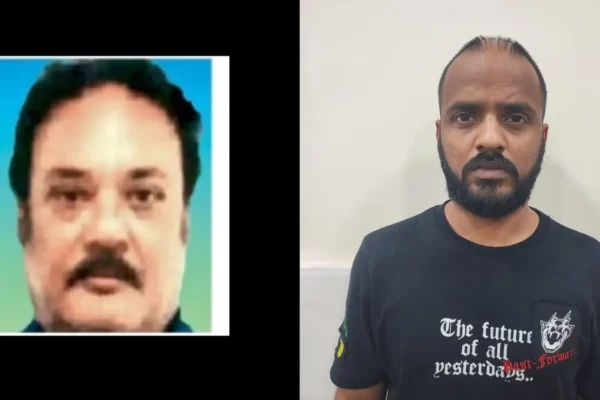
Justice Parth Prateek Sahu rejected the bail plea of Laxmikant Tiwari, citing his alleged role in a massive extortion racket involving senior Chhattisgarh officials.

BILASPUR, March 31, 2026 — The Chhattisgarh High Court has denied bail to Laxmikant Tiwari, a key accused in the multi-crore coal levy scam that has shaken the state’s political landscape. Justice Parth Prateek Sahu delivered the order, concluding that the allegations involving the extortion of ₹25 per tonne of coal transported in the state were too grave to allow for Tiwari’s release at this stage.
The case centers on a sophisticated illegal network that federal investigators say siphoned off ₹540 crore. Tiwari, identified as a close associate of former Chhattisgarh Pradesh Congress Committee treasurer Ram Gopal Agrawal, has been in custody since the Enforcement Directorate (ED) arrested him in October 2022. He’s facing charges under the Prevention of Money Laundering Act (PMLA).
Federal agents didn’t just stumble onto this. The ED’s investigation suggests a “parallel system” was running the show in Chhattisgarh. They allege that a syndicate comprising senior bureaucrats, businessmen, and political figures used the state’s mineral wealth as a private ATM. The mechanism was simple but devastating: no coal moved without a “delivery order,” and no order was issued without the illegal levy being paid in cash.
Tiwari’s legal team argued for his release on the grounds of prolonged incarceration. They told the court that the investigation against him was complete and that his continued detention served no further purpose. They also pointed out that other co-accused in related matters had received some form of relief.
But the High Court didn’t buy it.
Justice Sahu noted the specific nature of the evidence presented by the ED. The prosecution’s file claims Tiwari wasn’t just a bystander. They say he was an active cog in the machine, helping manage the flow of illicit cash. The court’s order emphasized that the scale of the economic offense and the potential for witness tampering outweighed the arguments for personal liberty in this specific instance.
The scam itself reads like a primer on systemic corruption. According to the ED’s filings, the syndicate was led by businessman Suryakant Tiwari—Laxmikant’s relative—who allegedly enjoyed the patronage of high-ranking officials in the Chief Minister’s Office. The money didn’t stay in the coal pits. Investigators tracked the funds as they were laundered through various shell companies and used for political funding and the purchase of benami properties.
“The accused was part of a conspiracy to extort money from coal transporters and coal block allottees,” the ED’s counsel argued during the hearing. The agency maintained that the 540 crore figure is a conservative estimate of the damage done to the state’s economy.
This isn’t an isolated legal battle. The coal levy case has already seen the arrest of Saumya Chaurasia, a former deputy secretary to the Chief Minister, and several district collectors. The fallout has been a constant thorn in the side of the state’s political establishment, providing a steady stream of ammunition for opposition leaders who claim the previous administration was “run by a coal mafia.”
Laxmikant Tiwari has tried for bail before. Each time, the sheer volume of the digital evidence and the statements from “protected witnesses” have blocked his exit from jail. The ED has spent months untangling a web of WhatsApp chats and diary entries that reportedly detail how the “collection” was distributed among the players.
What happens when the state’s primary resource becomes a tool for extortion?
The Chhattisgarh High Court’s decision signals that the judiciary is wary of thinning out the investigation before it reaches a trial. For the residents of Chhattisgarh, the case represents more than just a legal filing; it’s a reckoning for how the state’s natural resources were managed—or exploited—for years.
Tiwari will remain in custody while the special PMLA court continues its proceedings. His defense team hasn’t yet confirmed if they will appeal this latest setback to the Supreme Court. For now, the gates stay shut.
The investigation continues to probe whether more names are hidden in the ledgers of the coal syndicate.