The Union government passed a ₹29 hike on 14.2-kilogram cooking gas cylinders, sparking opposition claims of a stealth attack on household budgets.
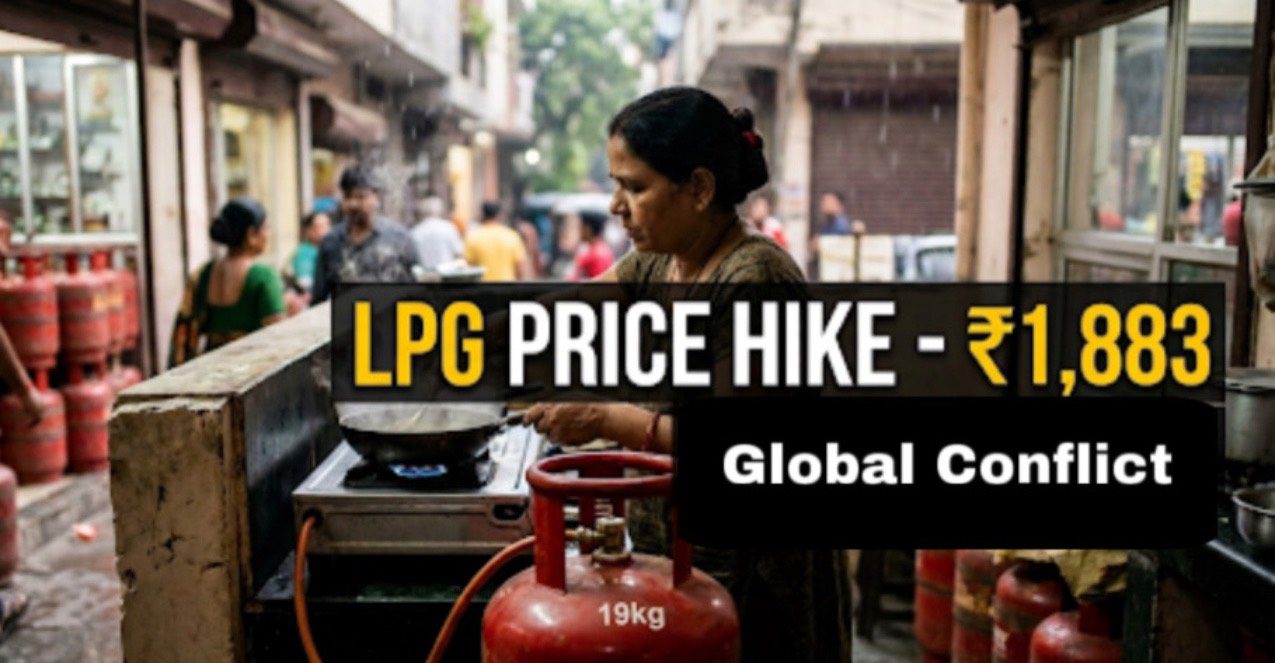
NEW DELHI, June 7 — The Union government increased the price of a standard 14.2-kilogram domestic cooking gas cylinder by ₹29 this Sunday, pushing the retail cost in the capital to ₹942. Federal energy officials quietly implemented the change over the weekend. Now, the hike has ignited immediate political warfare between the ruling party and an opposition claiming the country faces total economic ruin. And they aren’t backing down.
Chhattisgarh Assembly Speaker Raman Singh stepped up immediately to defend the ruling party’s decision. Speaking to ANI reporters on Sunday, Singh anchored his justification in the ongoing conflict in West Asia. He insists the spike doesn’t reflect domestic mismanagement, framing it instead as an unavoidable global phenomenon.
“This problem exists all over the world, and there is also the impact of the war,” Singh told ANI. He argued the upward pressure on fuel and cooking gas rates reaches far beyond India’s borders. Singh says we’ll see energy markets stabilize, provided the geopolitical fires in the Middle East finally burn out.
But opposition leaders won’t accept international supply chains as a valid excuse for kitchen-table pain. Uttar Pradesh Congress President Ajay Rai launched a blistering attack on the Centre from Varanasi. He accused federal authorities of executing a covert operation against ordinary citizens.
“While the country was asleep, the government stealthily increased the gas prices,” Rai told ANI. He didn’t hesitate to link the weekend hike to earlier warnings from Leader of the Opposition Rahul Gandhi. Gandhi previously predicted severe inflationary pressures, a forecast Rai now insists has proven entirely accurate.
“When our leader Rahul Gandhi had said that an economic tsunami is coming, he had said this after much thought and consideration,” Rai stated. “What he said has turned out to be 100 percent true. This shows what the government’s intentions are.” It’s a heavy accusation right before an election cycle. Do officials expect ordinary citizens to care about a war in West Asia when they can’t afford to cook their dinner?
The Ministry of Petroleum and Natural Gas moved aggressively to control the narrative through a Sunday press release. Ministry officials pushed back against the opposition’s claims of extortion. They argue Indian families still pay significantly less for cooking gas than residents in any neighboring nation. They also pointed out that India’s rates sit far below the retail prices seen in advanced economies like the United States, Australia, and Canada. They’ve framed the government as a fiscal shield rather than a corporate profiteer.
To prove their point, the ministry released hard numbers detailing the true cost of energy. Right now, international market rates force suppliers to spend more than ₹1,600 to procure and deliver a single 14.2-kilogram cylinder. General consumers in Delhi won’t pay anywhere near that total bill. So, the federal government’s absorbing a massive loss on every delivery to keep prices artificially low.
The ministry also highlighted its safety net for the nation’s poorest households. Families enrolled in the Pradhan Mantri Ujjwala Yojana (PMUY) scheme receive targeted relief. Those beneficiaries pay an effective rate of just ₹642 per cylinder, and officials say that’s insulating them from the harshest market realities.
Opposition critics see those numbers as political spin designed to obscure the raw truth of rising living costs. The ruling party doesn’t see it that way, viewing the subsidies as proof of responsible economic management during a global crisis. The politicians will keep fighting their narrative war.
But ordinary families won’t escape the