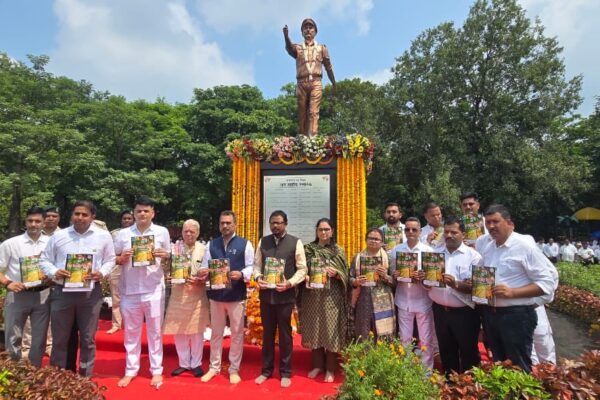
Tribal leaders, Padma Shri awardees and Bastar Pandum artists travel to Rashtrapati Bhavan to present a region reshaping its own story.
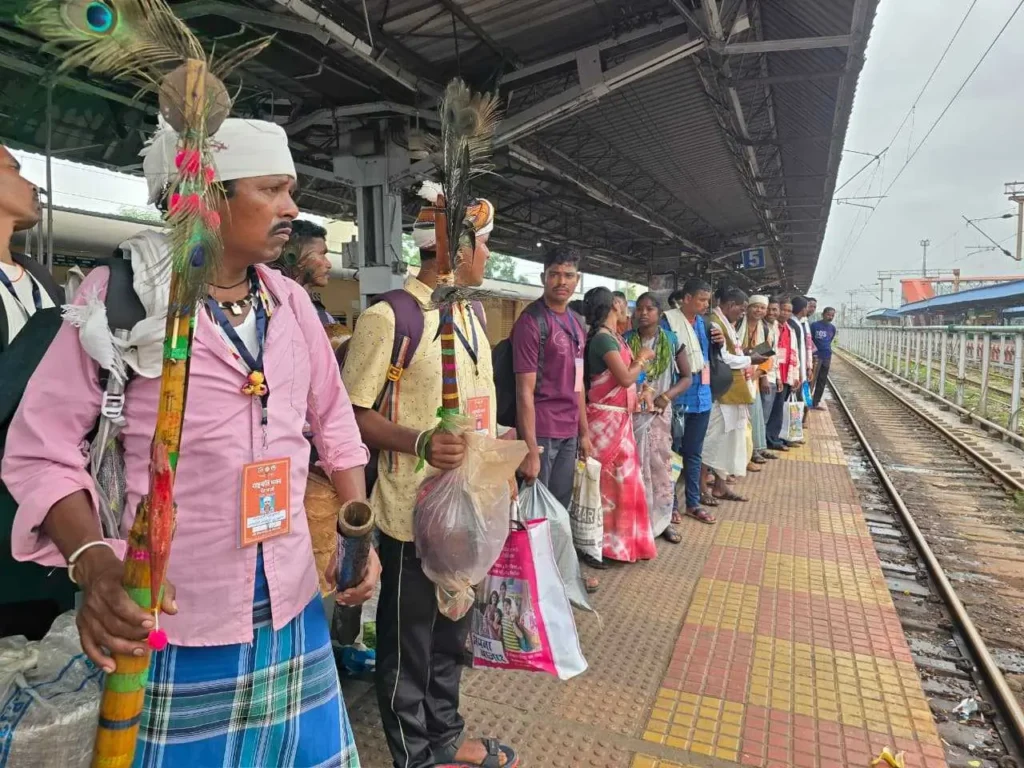
On Tuesday, a 164-member delegation from Bastar, with no government order to create it, set out on trains and buses for New Delhi.
The group is not a small one, nor is it an ordinary one. It features Paragana Manjhis, Manjhis and Chalkis, the traditional tribal leaders who still hold the bases of Bastar’s social institutions, artists who performed at Bastar Pandum 2026, Padma Shri awardees and representatives from all the tribes of Bastar region.
They’re going to Rashtrapati Bhavan. They’ll meet President Droupadi Murmu on July 30.
It is not a petition or a grievance they’re carrying. It’s a pitch — for how Bastar wants to be seen these days.
The name Bastar has been synonymous with something else for decades: insurgency, gunfire, a red corridor that runs through the map of India. The mission is to directly challenge this image by showing folk traditions, cultural heritage and social institutions of the region to the highest constitutional institution of the country.
They will inform the President that Bastar is no longer a place of violence and fear. They’ll cite two factors that helped induce that change — the consistent government development initiatives and security operations that have dealt a blow to Naxalism, for creating space in education, tourism and employment.
Can a delegation of tribal elders and Padma Shri artists really change the perception of a place synonymous with insurgency in a nation? The government of Bastar is relying on the person’s visit itself.
Deputy chief minister Vijay Sharma called the visit “of a greater magnitude than an ordinary delegation”. It is a symbol of the tribal culture, traditions and heritage of the state of Chhattisgarh as a whole, he said, adding it was a matter of pride that folk culture and social values of Bastar are reaching the Rashtrapati Bhavan.
A place of the real transformation, Sharma described. Bastar is becoming a place of peace and development, education, tourism, revival of culture and sports, instead of being a bastion of Naxalism, he added.
Sharma says the visit to the country’s top constitutional body will highlight that change on the national stage, and also be a formal expression of thanks to the support given to them in the struggle against Naxalism from Bastar.
He was on point about what the visit represents now – trust, development, culture and new opportunity, rather than fear, as it was in the past in Bastar.
That message will be presented face-to-face by the delegation at President’s bungalow on July 30, and the delegation will showcase Bastar’s culture and folk traditions with a special message of appreciation to the President on behalf of the people of Bastar. They plan to celebrate today’s Bastar as a land of natural beauty, tribal culture and peace as well as development and participative democracy.
The question is whether that reframing will hold up across the country; it’s a much longer story than one meeting at Rashtrapati Bhavan. However, the destination is the statement for 164 people who left Raipur on Tuesday.