By Rootsalert Global Desk
The House Oversight Committee just slammed a subpoena on Attorney General Pam Bondi, demanding she explain why key Epstein documents are still being hidden.
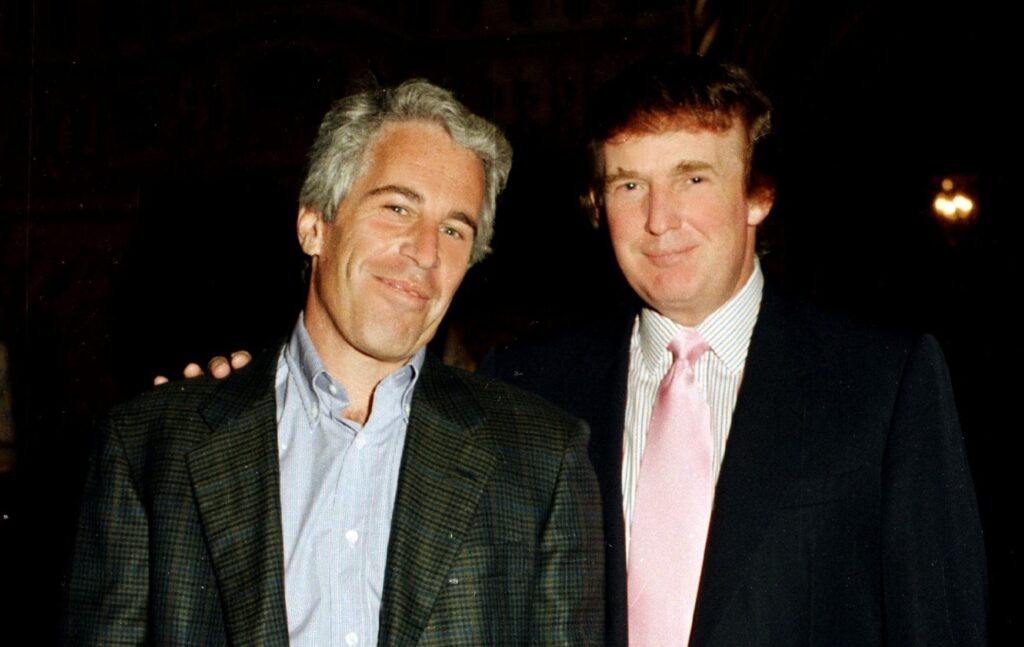
The dam is finally breaking on the Jeffrey Epstein files, and the splash is hitting the highest offices in Washington.
On Wednesday, the House Oversight Committee voted to subpoena Attorney General Pam Bondi. They aren’t asking nicely anymore. Lawmakers want to know why the Department of Justice is still dragging its feet on releasing the full, unredacted truth about the late financier’s global sex-trafficking ring.
It’s been a long time coming.
For months, the public has been fed a diet of heavily redacted documents and vague promises. Bondi has touted “transparency,” but the reality on the ground feels more like a controlled demolition of the truth. Even with three million documents already dumped into the public domain, the biggest names—the “clients”—remain protected by thick black ink.
“The American people want answers on the Epstein files, and so do we,” Republican Representative Nancy Mace snapped on X. Mace isn’t alone. Five Republicans broke ranks to join Democrats in this 2026 showdown, proving that frustration with the DOJ isn’t a partisan game anymore.
The subpoena comes as the Justice Department admitted that a massive tranche of 47,635 documents was “offline” for review right as the pressure peaked. While they claim these will be “repopulated,” the timing stinks.
Was this incompetence or an intentional stall tactic?
The political stakes couldn’t be higher. We’ve already seen Bill and Hillary Clinton sit for depositions, both of them distancing themselves from Epstein like he was radioactive. Bill told lawmakers he saw “no signs” of abuse during his trips on the “Lolita Express,” while Hillary claimed she didn’t even remember meeting the man.
Meanwhile, the fallout is global. Former British Prince Andrew—now Andrew Mountbatten-Windsor—has been under intense scrutiny, with police searching his home following his arrest on suspicion of misconduct in public office.
But the “client list”—that holy grail of accountability—is still the ghost in the machine. In July, the DOJ claimed it didn’t even exist. That set off a furor that prompted Congress to pass the Epstein Files Transparency Act (EFTA), requiring the release of everything.
Bondi says her team of 500 attorneys is doing their “very best” under a crushing timeline. She argues they’ve already released three million pages and 180,000 images. But the Oversight Committee isn’t buying the “we’re just busy” excuse. They’re looking at a Justice Department that missed a December 19 deadline and only coughed up a fraction of the mandated files.
Was the data withheld to protect victims, or to protect the powerful?
Ranking Member Robert Garcia has been vocal, accusing Bondi of “orchestrating the White House’s cover-up.” He claims to have seen unredacted logs that include specific allegations against President Trump—allegations that the DOJ conveniently omitted from the public release.
The White House, of course, calls this “totally exonerated.” They point to the millions of pages already out as proof of unprecedented transparency. But when 3 million pages are missing from an original 6-million-page collection, “transparency” becomes a relative term.
Survivors have been shouting from the rooftops for years. They’ve watched as Epstein “committed suicide” in a cell and as his associates continued to live in luxury. They aren’t interested in Bondi’s excuses or political posturing.
They want the unredacted files. They want the names.
The subpoena means Bondi has to face the music under oath. She’ll have to explain the “haphazard redactions” that accidentally exposed victim details while shielding suspects. She’ll have to explain why the DEA was investigating Epstein for five years for suspicious money transfers that never made it into the original prosecution.
And she’ll have to do it with the whole world watching.
Complying with a congressional subpoena isn’t optional, but past attorneys general have a habit of playing the executive privilege card. Whether Bondi follows suit or delivers the goods will decide the fate of this investigation.
The clock is ticking for the Justice Department. If they don’t produce the goods, this subpoena is just the beginning of a much larger constitutional crisis.
This story isn’t just about a dead pedophile anymore; it’s about whether the American justice system is capable of holding the elite accountable.
We’re about to find out.