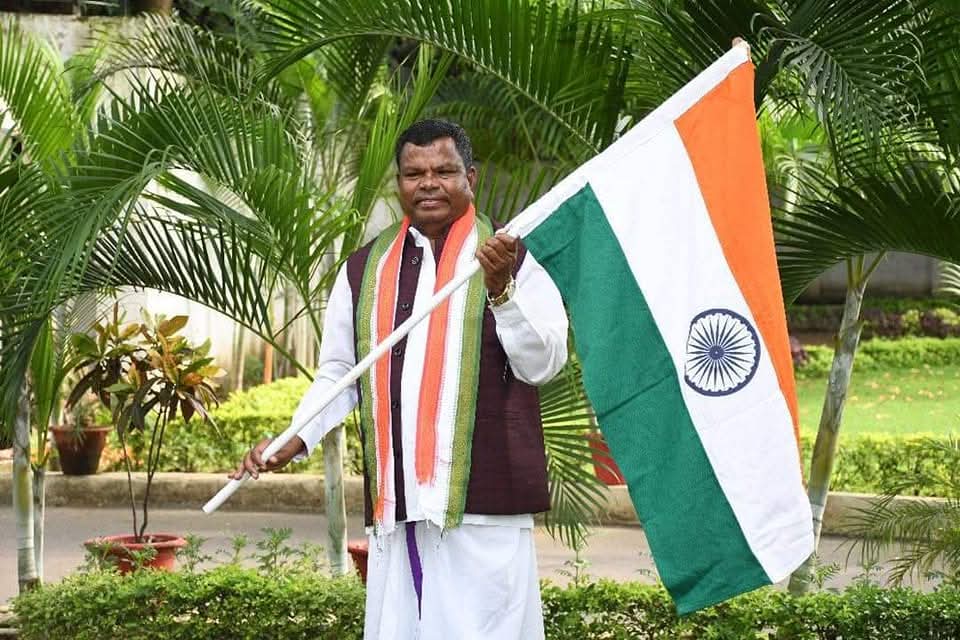
This news analysis, stemming from recent political discussions, raises serious questions regarding the alleged liquor scam in Chhattisgarh, particularly focusing on the role of former Excise Minister Kawasi Lakhma, senior bureaucrats, and the involvement of the previous Congress government led by Bhupesh Baghel.
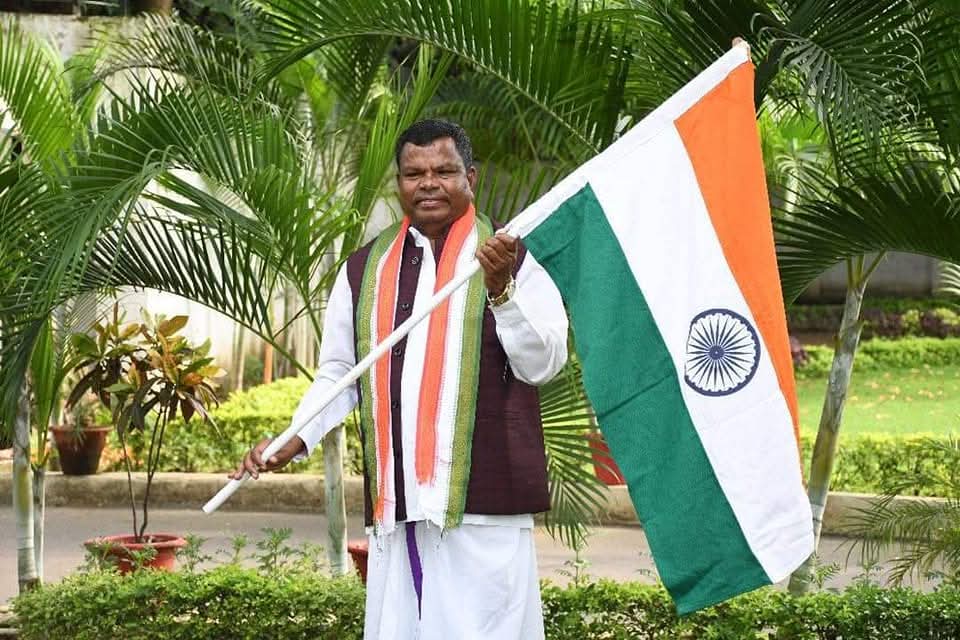
The Allegation: Lakhma Used as a ‘Pawn’ in the Excise Department
The article posits that the revenue-critical Excise Department was deliberately handed to the simple and popular leader, Kawasi Lakhma, solely to use his position for approvals. The central argument is that:
- Ministerial Powerlessness: Lakhma was a “Minister in name only” and allegedly lacked the power even to approve a single transfer.
- The Bureaucratic Control: Arun Pati Tripathi, the Deputy Secretary of the Excise Department (now in jail), is alleged to have been the real power center, reportedly linked directly to the Chief Minister’s residence. Files purportedly would not progress even after the signatures of the Minister (Lakhma) and the Department Secretary (Niranjan Das), requiring Tripathi’s final approval.
- Lakhma’s Mistake: The analysis suggests Lakhma’s only mistake was accepting the ministerial post; had he remained just an MLA, he might not be facing the current legal scrutiny.
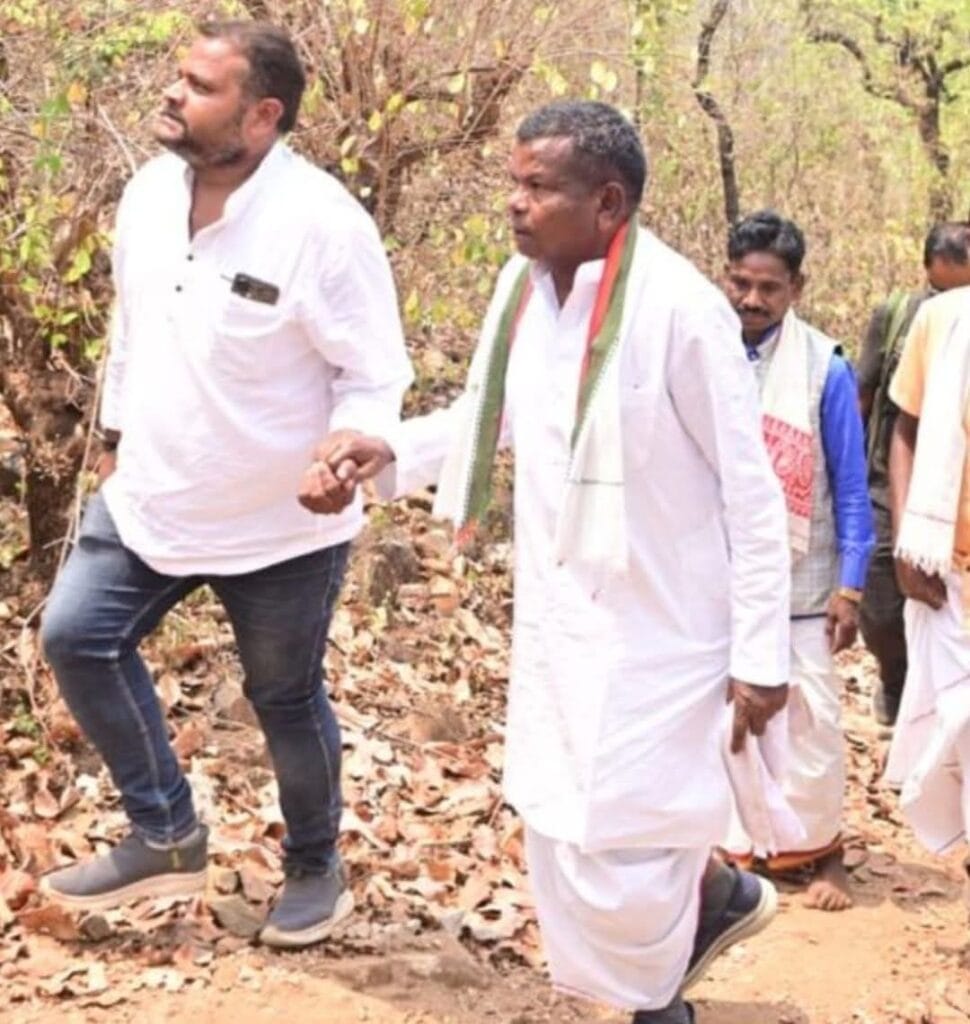
Unprecedented Bureaucratic Irregularities: The Case of A.P. Tripathi
The article highlights extraordinary and allegedly corrupt practices involving officer Arun Pati Tripathi:
- Dual State Salary: Tripathi is claimed to be the first officer in the country to draw salaries from two states—Chhattisgarh and Jharkhand—for effectively holding the chief officer position in both states’ Excise Departments, allegedly through collusion between the respective Congress and Jharkhand governments.
- Luxury Lifestyle & Flight Risk: Despite a non-commensurate salary, Tripathi allegedly traveled to Canada monthly (except during the COVID period), with travel expenses estimated at over ₹5 lakh per trip.
- Premeditated Exit: It’s noted that Tripathi sent his children to study in Canada and got his government-employed wife to resign and move there, suggesting a planned escape after executing the alleged scams.
- A History of Corruption: Tripathi is accused of having been an assistant to the officer (Samund Singh) who absconded during a previous excise scam under the BJP’s Raman Singh government, implying that his “experience in corruption” was the reason the Congress regime entrusted him with the department’s oversight for the new scam.
Direct Allegations Against Former CM Bhupesh Baghel and Key Aides
The article makes explosive accusations of direct involvement and patronage by the former Chief Minister:
- Protecting the Accused: Despite journalists exposing the history of Tripathi’s corruption, Baghel’s alleged failure to act is presented as direct evidence of his involvement or open support for the scams.
- Son’s Alleged Role: Questioning the possibility of CM’s son, Chaitanya Baghel, engaging in “hundreds of crores” of corruption without his father’s knowledge.
- The ‘Super CM’ – Saumya Chaurasia: Soumya Chaurasia, an SDM-level officer, was allegedly positioned above the Chief Secretary, with a standing order for all department secretaries, including the Chief Secretary, to “Speak to Soumya.” This suggests Baghel’s direct participation in all her actions.
- The Chaurasia Paradox: The article highlights a striking contradiction: Chaurasia, as SDM Patan, had a public dispute with Baghel over land measurement, even filing a police report against him. The subsequent transformation—from antagonist to a “Super CM” who controlled access to the Chief Minister—raises major questions about an alleged “deal” that led to her being handed the reins of the state’s administration.
Questions on Current Investigations and Political Connections
- Aijaz Dhebar and Anwar Dhebar: The unauthorized, unchecked entry of vehicles belonging to Aijaz Dhebar and his brother, Anwar Dhebar (a key accused in the scam), into the Chief Minister’s residence is highlighted as evidence of special privilege, questioning the nature of the cargo and the basis for their unrestricted access.
- Current Government’s Role: The piece directly asks the current BJP government in the state why the “main accused” has not been apprehended, suggesting a potential “deal” that warrants a separate investigation
Discover more from Rootsalert
Subscribe to get the latest posts sent to your email.