RAIPUR: In a significant policy shift aimed at mainstreaming insurgents in the Red Corridor, the Chhattisgarh government has cleared the decks for a high-level review of criminal cases against surrendered Maoists.
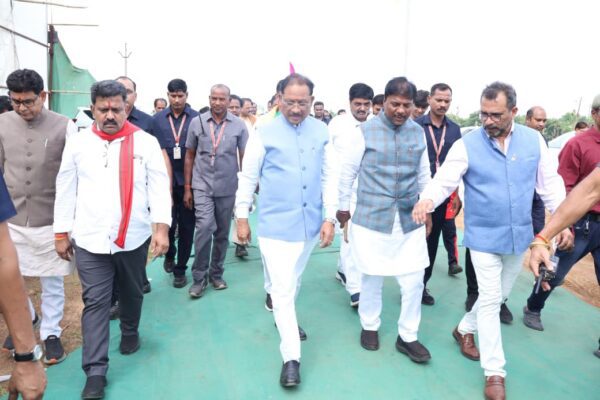
On Wednesday, the state cabinet, chaired by Chief Minister Vishnu Deo Sai, approved the formation of a cabinet sub-committee dedicated to examining—and potentially withdrawing—prosecutions against cadres who have laid down their arms.
The move is designed to fast-track the rehabilitation of former rebels who have demonstrated “good conduct” post-surrender or are actively assisting the state in anti-Naxal operations.
A Multi-Tiered Screening Process
Briefing the press, Deputy Chief Minister Arun Sao explained that the decision aligns with the Chhattisgarh Naxalite Surrender/Victim Relief Rehabilitation Policy-2025. He emphasized that the withdrawal of cases would not be automatic but would undergo rigorous scrutiny.
The process will be initiated at the district level, where a local committee will submit reports to the Police Headquarters (PHQ). Following a review by the PHQ and an opinion from the Law Department, the files will move to the newly formed Cabinet sub-committee. Only cases recommended by this political panel will be sent to the Council of Ministers for final approval.
Officials clarified that cases involving Central Acts or the Union Government would require specific clearance from the Centre before any withdrawal is processed.
Context of the Decision
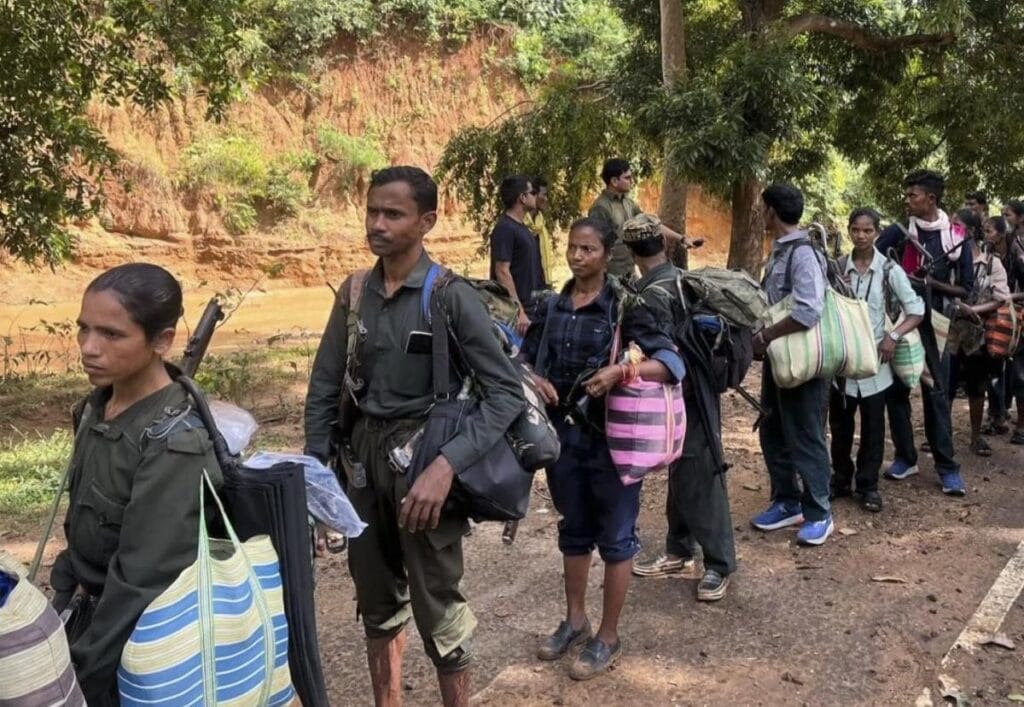
The state’s decision comes amid a spike in surrenders. According to police data, over 2,300 Maoists—including several high-ranking commanders—have turned themselves in over the last two years. A significant number of these former insurgents have since been recruited into the District Reserve Guards (DRG), the state’s specialized frontline force that has been instrumental in recent successes against Left Wing Extremism.
Opposition Raises Red Flags
The decision has triggered an immediate backlash from the Opposition Congress, which has demanded transparency regarding the nature of the crimes being pardoned.
Congress spokesperson Sushil Anand Shukla questioned whether the amnesty would extend to perpetrators of mass casualty attacks. He specifically cited the 2013 Jheeram Valley massacre, which wiped out the state’s top Congress leadership, and the 2010 Tadmetla ambush, which claimed the lives of 76 CRPF personnel.
“The government must clarify if they intend to withdraw cases against those involved in the massacre of hundreds,” Shukla stated, adding that the government has yet to address the plight of innocent tribals languishing in jail without charge sheets.
Decriminalizing Minor Offenses
In a separate but related move to reduce the burden on the judiciary, the Cabinet also approved the draft of the Chhattisgarh Jan Vishwas (Amendment) Bill, 2025. The bill seeks to decriminalize minor offenses across 14 different Acts, replacing imprisonment with fines to simplify legal compliance for citizens.