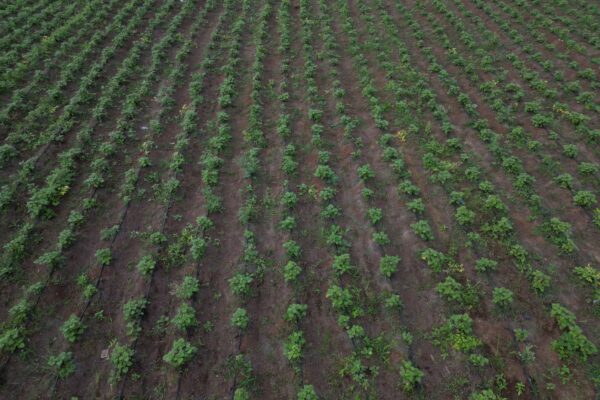
Law enforcement officials in Chhattisgarh have discovered an illicit opium farm, marking the fifth major cultivation bust in the state during recent months.
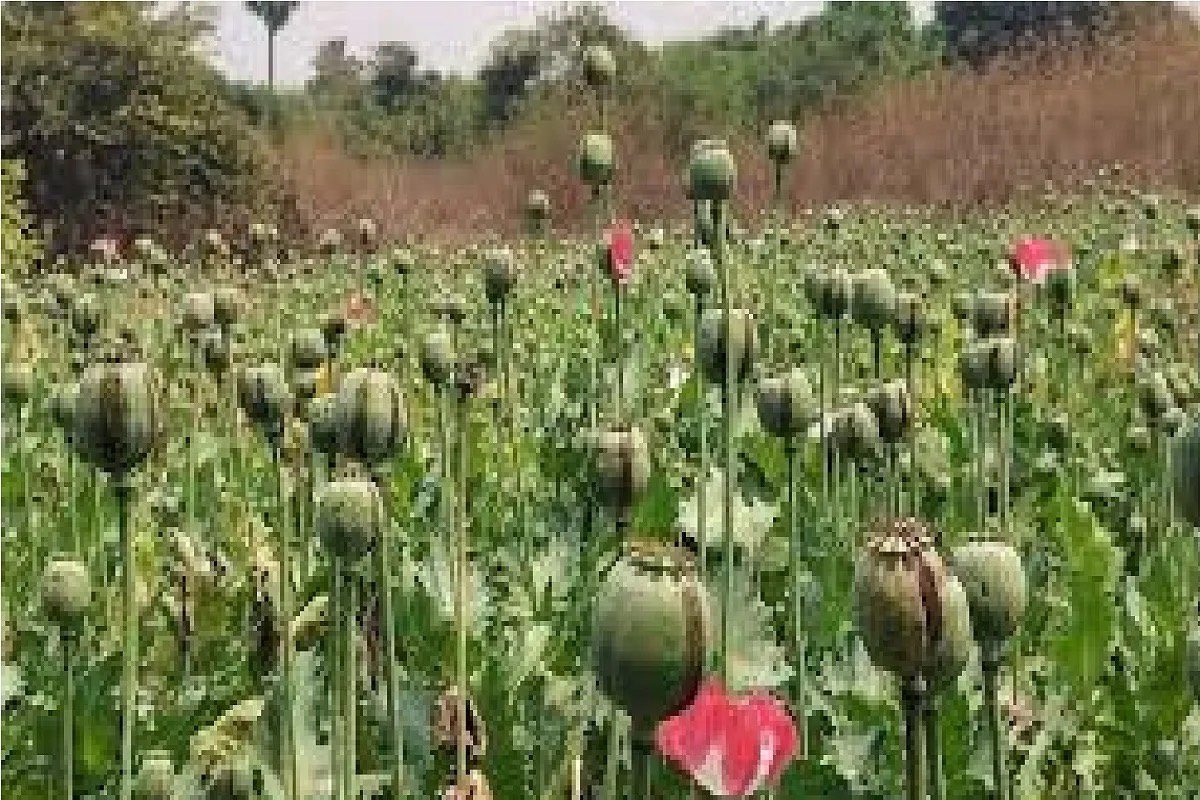
Police in the Bilaspur district of Chhattisgarh have uprooted over 12,000 illicit opium poppy plants in a targeted raid on rural farmland. This discovery marks the fifth time in less than a year that authorities have uncovered large-scale narcotic cultivation within the state’s borders.
The operation centered on a remote plot of land where the high-value crop was being grown alongside legitimate vegetables to mask its presence. Bilaspur police officials reported that the raid resulted in the seizure of plants estimated to have a significant street value once processed into opium or heroin.
Officers acted on a tip-off from local intelligence sources who noticed unusual activity on a farm owned by a local resident. When the tactical teams arrived, they found rows of flowering poppy plants tucked behind taller stalks of corn and various leafy greens. It’s a classic concealment tactic that farmers in the region have started to adopt with alarming frequency.
Why is the heart of India becoming a nursery for the drug trade? Local law enforcement believes the shift is driven by the high profit margins of opium compared to traditional grains. Farmers struggling with debt or unpredictable weather are being recruited by organized crime syndicates to use their soil for more lucrative, albeit illegal, harvests.
The Bilaspur Superintendent of Police confirmed that one individual has been taken into custody in connection with the cultivation. This suspect faces several charges under the Narcotic Drugs and Psychotropic Substances (NDPS) Act. Investigators are now tracing the suspect’s phone records and financial transactions to identify the middlemen who supplied the seeds and promised to buy the raw resin.
And the problem isn’t isolated to just one district. Similar raids have occurred in the nearby regions over the last six months. In each instance, the scale of the operations suggests a coordinated effort rather than isolated incidents of curiosity or personal use. Police records indicate that over 50,000 plants have been destroyed across Chhattisgarh since the start of the current growing season.
The state’s geography plays into the hands of the traffickers. Chhattisgarh has vast stretches of dense forest and remote agricultural land that are difficult for overstretched rural police stations to monitor daily. Traffickers are banking on this isolation.
But the recent string of busts suggests that the intelligence network is tightening. Regional authorities have started using satellite imagery and drone surveillance to spot the distinct color signature of poppy flowers from the air. This technological shift is catching cultivators off guard.
Most of the illicit crops found in these raids are destroyed on-site under the supervision of a magistrate to ensure the contraband doesn’t find its way back into the black market. Laborers spent hours under the sun pulling the plants by their roots before burning them in a controlled pit.
So the pressure is now on the state government to address the underlying economic factors. While the police are winning the battle in the fields, the demand for high-yield, high-risk crops persists in the shadows of the agrarian economy. Officials from the Department of Agriculture are reportedly looking into more sustainable subsidies to keep farmers away from the lure of the cartels.
The suspect currently in custody is expected to appear in a Bilaspur court later this week. Prosecutors intend to seek the maximum penalty to send a clear message to other landowners considering a similar gamble.
The battle for Chhattisgarh’s soil is no longer just about food; it’s about stopping a narcotics pipeline before it hardens into a permanent fixture of the landscape.