Prime Minister Modi detailed a multi-pronged strategy to protect Indian energy security and maritime trade as regional volatility threatens the world’s most critical oil chokepoint.
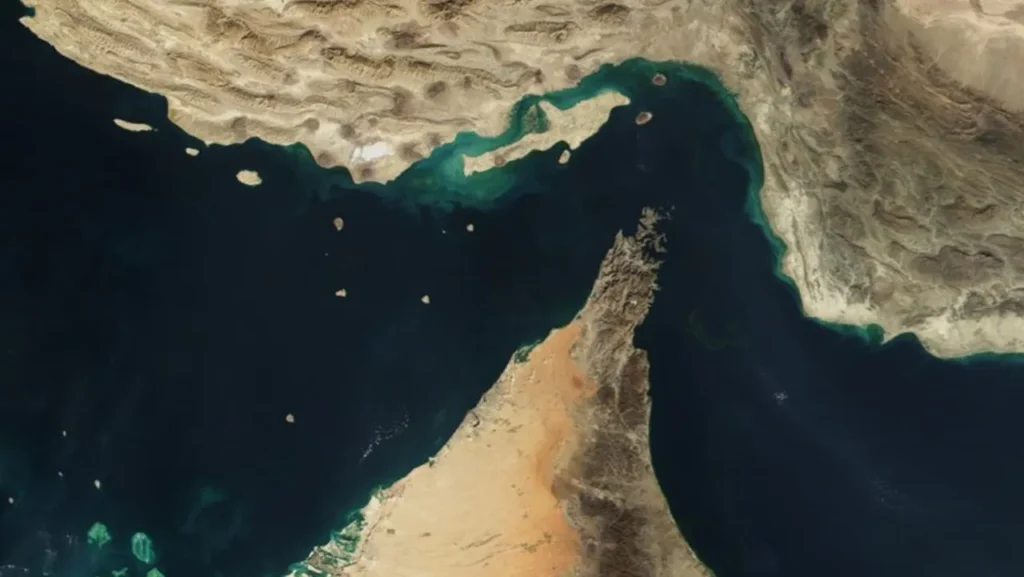
Prime Minister Narendra Modi moved to insulate the Indian economy from a brewing maritime disaster today, presenting a high-stakes emergency roadmap to Parliament as the Strait of Hormuz edges toward a full-scale blockade.
The Persian Gulf is tightening. With nearly 30 percent of the world’s sea-borne oil passing through that narrow corridor, the threat of a prolonged shutdown has sent shockwaves through the Prime Minister’s Office. Modi told lawmakers that India can’t afford to be a bystander while its energy lifeline is held hostage by regional volatility.
India’s dependence on the region is absolute. Official data shows that over 60 percent of the nation’s crude oil imports arrive via the Persian Gulf. Any disruption there doesn’t just raise gas prices; it threatens to stall the entire industrial engine of the subcontinent.
The Prime Minister’s plan focuses on three pillars: immediate naval escorting, accelerated strategic reserve filling, and a rapid pivot toward alternative trade routes. He confirmed that the Indian Navy has already increased its footprint in the Gulf of Oman.
Operation Sankalp is being expanded. This isn’t just about presence anymore; it’s about active protection. Indian-flagged tankers will now receive dedicated naval protection to ensure they navigate the volatile waters without interference.
But can a single navy secure a global chokepoint? The reality is that India is operating in a crowded, high-tension theater where one miscalculation could trigger a wider conflict.
Modi informed the Lok Sabha that the government is in “constant communication” with regional powers. He emphasized that New Delhi is positioning itself as a stabilizing force rather than a combatant. This diplomatic tightrope is essential because India maintains deep ties with both the Arab states and Iran.
And while the diplomats talk, the Ministry of Petroleum is moving. The government has directed the Indian Strategic Petroleum Reserves Limited (ISPRL) to maximize its current holdings. India currently maintains underground salt cavern storage in Visakhapatnam, Mangaluru, and Padur.
These reserves are designed to provide a cushion of roughly 9.5 days of net imports. In a prolonged blockade, that’s a razor-thin margin. Modi indicated that the second phase of the strategic reserve program, which would add another 6.5 million metric tonnes of capacity, will be fast-tracked.
Trade isn’t just about oil. The Strait of Hormuz is the primary exit point for Indian exports heading to the Middle East, a market worth billions to Indian farmers and manufacturers.
The Prime Minister highlighted the International North-South Transport Corridor (INSTC) as a long-term hedge against Hormuz dependency. By moving goods through Iran’s Chabahar port and then overland into Central Asia and Russia, India hopes to bypass the traditional maritime bottlenecks.
Progress at Chabahar has been slow for years, hampered by sanctions and regional politics. Modi’s speech suggested those hurdles are now being treated as national security priorities. The “business as usual” approach to infrastructure has been scrapped in favor of a crisis-footing timeline.
Domestic energy production is the final piece of the puzzle. The Prime Minister urged a renewed focus on the ethanol blending program and green hydrogen initiatives to reduce the “shackles of import dependency.”
Critics in the opposition benches questioned the timeline of these transitions. They argued that while green energy is the future, the “petrol-pain” of the present is what’s hitting Indian households today.
Modi’s response was a call for national resilience. He stayed away from inflammatory rhetoric, choosing instead to focus on the logistical realities of securing a nation of 1.4 billion people. He didn’t promise cheap oil, but he did promise a secure supply.
The global markets are watching. Brent crude has shown extreme sensitivity to the Hormuz situation, with prices fluctuating on every headline out of the region. By laying out a clear, sourced plan, New Delhi is attempting to project a sense of order to investors and citizens alike.
The Indian Navy’s mission in the Gulf remains the most visible sign of this new posture. Destroyers and frigates are no longer just conducting drills; they are the literal shields for the nation’s economy.
As the session concluded, the message was clear: the era of relying on the global status quo to keep the lights on in India is over. The government is bracing for a world where trade routes are contested and energy is a weapon.
The strategy is now in motion, and the focus shifts to the waters of the Gulf, where the metal of Indian maritime policy will be tested.