President Trump gave Tehran until 8 p.m. Tuesday to reopen the Strait of Hormuz or face the total destruction of its national power grid.
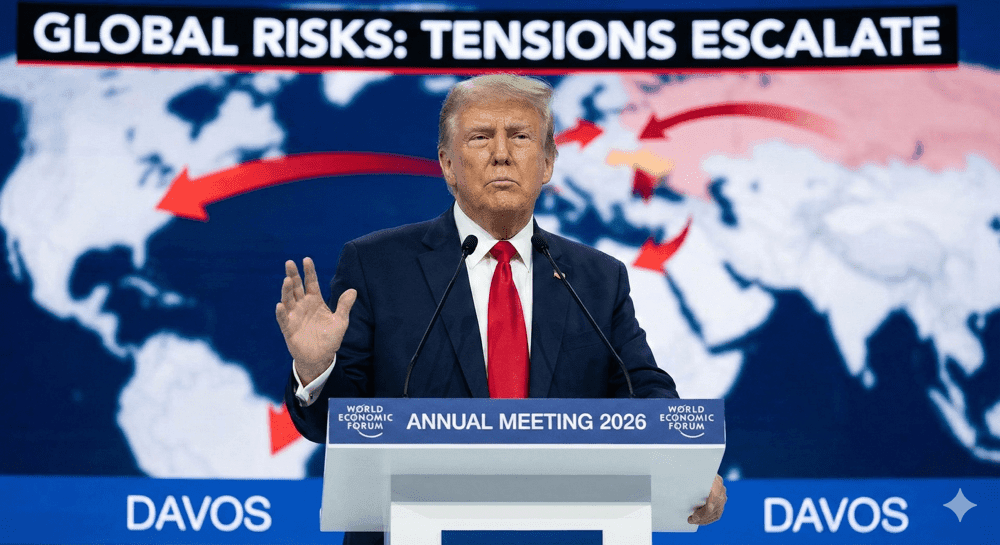
April 7 — President Donald Trump gave Tehran a final, blunt ultimatum on Monday afternoon. Reopen the Strait of Hormuz by 8 p.m. EST on Tuesday, or the United States military will systematically dismantle Iran’s bridges, power plants, and national infrastructure.
He doesn’t think it will take long. In fact, he told reporters at the White House that the entire operation would be over in about four hours.
It is a timeline that leaves no room for the usual back-and-forth of international diplomacy. The President stripped away the ambiguity that typically defines American military engagement, leaning instead into a strategy of raw leverage. When asked point-blank if he harbored concerns that targeting civilian power grids could constitute a war crime, Trump didn’t blink. He said he was “not at all” concerned.
They are words that have sent shockwaves through the Pentagon and the United Nations alike. But for Trump, the math is simpler. He wants the oil flowing, and he wants it now.
The entire standoff is anchored to the Strait of Hormuz. It’s the world’s most important choke point for oil transit, and its closure has sent global markets into a tailspin. Washington has signaled for weeks that its patience was thin, but this deadline turns a simmering cold war into a literal countdown. Trump described the upcoming 24-hour window as a “critical period,” one where the fate of the Iranian state rests entirely on the decisions made in Tehran. He boasted that the country could be “taken out in one night,” a chilling assessment that treats a nation of 88 million people like a tactical objective on a map.
Is this a masterclass in the “Madman Theory” of negotiation, or is the world watching a catastrophic lapse in restraint?
And the diplomatic avenues are officially blocked. For a moment, there was a glimmer of a 45-day ceasefire on the table. It was a proposal meant to give both sides a chance to breathe, to step back from the edge of the abyss. Trump acknowledged the proposal, calling it a “significant step,” but he quickly pivoted. He told the press it simply wasn’t good enough. From his perspective, a temporary pause doesn’t solve the Hormuz problem.
Tehran doesn’t like the deal either. They’ve rejected any temporary measures, demanding a permanent end to the war and the lifting of suffocating sanctions. With both sides dug into absolute positions, the middle ground has completely vanished.
So, the Iranian government is preparing for the worst. They aren’t just moving missiles; they’re moving people.
Alireza Rahimi, Iran’s deputy youth affairs minister, took to social media to broadcast a defiant message. He warned that any strike on civilian centers would trigger a regional chain reaction that Washington couldn’t control. But the more disturbing development is happening on the ground. Reports from BRICS News and local Iranian sources indicate that the government is now actively recruiting its youth to act as human shields.
They are asking students and young activists to form human chains around the very power plants Trump has marked for destruction. It is a desperate, gruesome tactic designed to force the US military to choose between its objectives and a massacre of civilians.
This is the reality of the 8 p.m. deadline. On one side, the most sophisticated air force in human history is fueled and ready. On the other, a government is betting that the sight of burning infrastructure and dead teenagers will be enough to break Trump’s resolve.
But Trump has made it clear that he isn’t looking for an exit ramp. He has characterized the Iranian leadership as “the most difficult people to deal with,” and he seems finished with the talking. During the briefing, he wouldn’t commit to a long-term vision for the region or say when the broader conflict might end. He only focused on the Tuesday night deadline.
The strategy is pure Trump: a short, sharp shock to the system. He believes that by threatening to plunge Iran into total darkness and isolate its cities by dropping their bridges, he can force a capitulation that years of sanctions couldn’t achieve.
And the stakes couldn’t be higher for the global economy. If the power plants go, the Iranian people lose water, hospitals lose electricity, and the risk of a full-scale ground war becomes an inevitability. If the human shields fail to deter the strikes, the images coming out of Iran on Wednesday morning will change the geopolitical landscape forever.
What’s left now is the clock. Every hour that passes brings the region closer to a four-hour window that could rewrite the history of the 21st century.