Tehran claims it’s already collecting millions from merchant vessels to cover war costs, but India insists its ships are navigating the waterway toll-free.
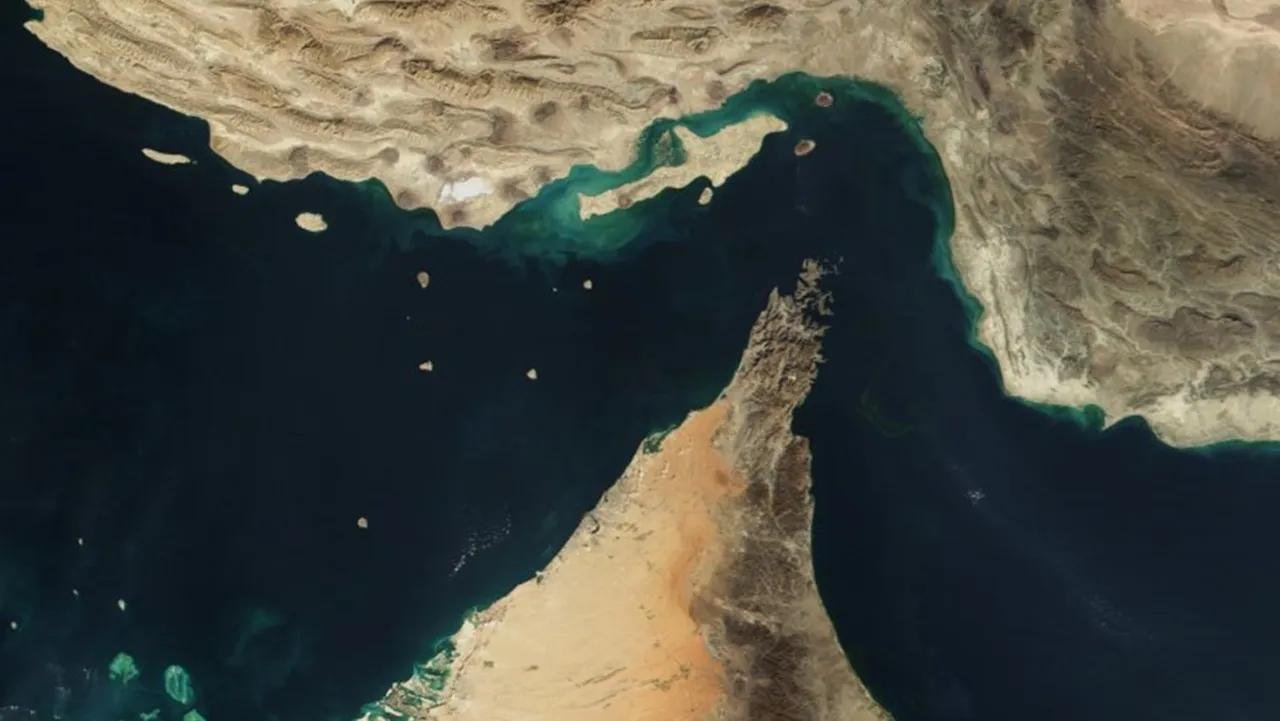
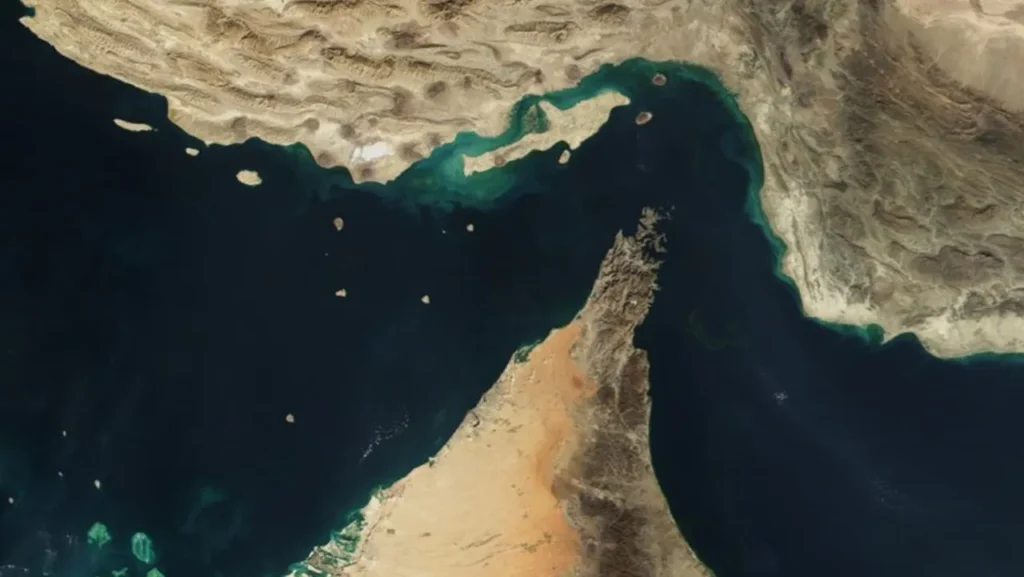
April 10 — Iran is slapping a $2 million toll on merchant ships crossing the Strait of Hormuz.
The waterway handles a fifth of global oil supplies. Now, Tehran’s monetizing the chokepoint. Alaeddin Boroujerdi, a member of the Iranian parliament’s national security committee, confirmed the measure on state television. He called the transit fee a reflection of a new “sovereign regime” over the strait after decades of Western dominance. War has costs, Boroujerdi said. Iran intends to make passing ships pay them.
The toll’s triggered immediate alarm across the global energy market. It also forces a critical calculation for India. New Delhi relies heavily on the Persian Gulf for its energy security. Iran has publicly designated India a “friendly” country, allowing its vessels to transit the conflict-ridden strait. But the arrangement raises an unavoidable question. Is India paying the toll?
New Delhi vehemently denies opening its checkbook.
Foreign Ministry spokesperson Randhir Jaiswal dismissed reports that India handed over millions to secure passage. New Delhi maintains a consistent demand for free and safe navigation through the corridor. They won’t accept any framework that treats international waters as a toll road.
The Iranian embassy in India quickly tried to walk back Boroujerdi’s televised claims. In a formal statement, the embassy labeled the $2 million fee reports “unfounded.” They insisted the lawmaker’s comments reflected personal views, not official state policy.
But the reality on the water tells a different story.
Informal tolls are already a mechanism of control. Regional officials confirmed to the Associated Press that a proposed ceasefire framework actually formalizes this shakedown. The 10-point plan allows Iran and Oman to jointly impose fees on transiting ships. Two senior Iranian officials told The New York Times the $2 million fee would be split between Tehran and Muscat. Iran plans to funnel its share into war reconstruction efforts. It’s an arrangement that neatly bypasses the politically toxic issue of direct US financial compensation while securing the exact same revenue.
The strait’s been largely paralyzed since the war erupted on February 28. Traffic sits at a fraction of pre-conflict levels. Just seven ships, all possessing prior links to Iran, exited the Persian Gulf over a recent 24-hour window, according to Bloomberg data.
International maritime law explicitly forbids this behavior. The United Nations Convention on the Law of the Sea guarantees freedom of peaceful navigation. Article 26 of the treaty states a coastal nation can’t charge foreign ships merely for passing through territorial waters. Fees are only permitted for specific, rendered services.
Neither the United States nor Iran has formally ratified the treaty. Both are currently ignoring it.
Washington’s response has only deepened the confusion. US President Donald Trump injected a new layer of chaos into the standoff, suggesting Washington might actually partner in the toll collection rather than stop it. “We’re thinking of doing it as a joint venture,” Trump told ABC News. “It’s a way of securing it.” Trump called the prospect of charging vessels a “beautiful thing,” framing the military standoff in purely transactional terms.
His comments validate Tehran’s strategy. If the US recognizes the strait as a toll road, Iran’s blockade succeeds.
Meanwhile, Iranian Foreign Minister Abbas Araghchi offered a narrow, two-week window for safe passage. The catch? Vessels must coordinate directly with Iran’s Armed Forces. Ships are forced to navigate specific routes designed by state media to bypass suspected anti-ship mines deployed in conventional sailing lanes.
Iranian President Masoud Pezeshkian maintains the strait is open to everyone except “enemies” who violate Iranian soil. Tehran’s diplomatic messaging remains defiant, heavily laced with dark sarcasm. On social media, Iranian embassies mocked US warnings by invoking ta’arof — a complex system of Iranian politeness. “Be our guest,” the embassy posted. “You don’t have to pay every time. I’ll be upset if you pay.”
The blockade remains the central sticking point in US-Iran truce talks scheduled for Pakistan.
Control of the strait isn’t just a military objective anymore. It’s a highly lucrative revenue stream. As diplomats prepare to meet, the cost of moving oil through the world’s most critical chokepoint just hit $2 million.
Discover more from Rootsalert
Subscribe to get the latest posts sent to your email.