Revenue intelligence officers in Chhattisgarh dismantled a wildlife trafficking syndicate Sunday, seizing 16.5 kilograms of endangered Indian pangolin scales and arresting three smugglers.
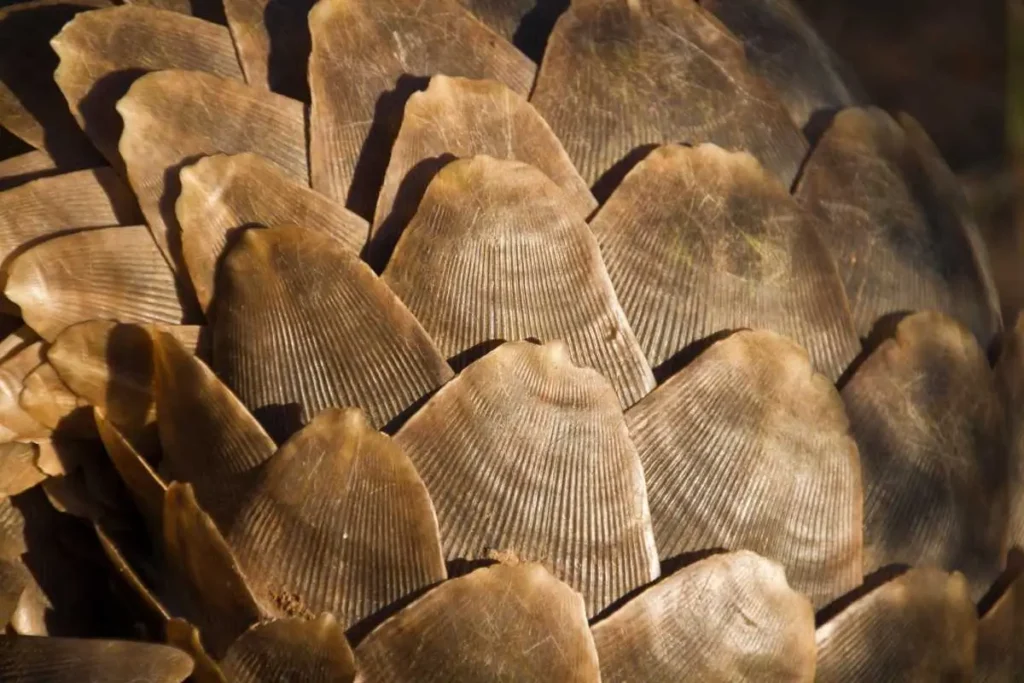
JAGDALPUR, April 12 — Sixteen and a half kilograms of scales don’t just appear in a central Indian city. They are pried off the bodies of dead Indian pangolins. One by one. Animal by animal.
On Sunday, the Directorate of Revenue Intelligence intercepted three men trying to move exactly that weight through Jagdalpur. Officers from the DRI’s Nagpur Regional Unit — operating under the Mumbai Zonal Unit — raided the syndicate, seizing 16.528 kilograms of pangolin scales. They locked down the contraband. They arrested the three men holding it.
These aren’t amateur poachers stumbling through the woods. This is an organized trafficking network running illicit wildlife parts through Chhattisgarh.
The Indian pangolin, scientifically known as Manis crassicaudata, holds the highest level of legal protection available in the country. It sits squarely on Schedule I of the Wildlife (Protection) Act of 1972. Legally, killing a pangolin carries the exact same weight as shooting a Bengal tiger or poaching a rhino. Practically, the laws only work when enforcement catches the smugglers before the goods cross international borders.
Following the raid, the DRI completed their seizure formalities and handed the three suspects, along with the 16.5 kilograms of scales, straight to the Forest Range Officer of the Jagdalpur Range. The state forest department will now handle the prosecution and the grueling work of interrogating the couriers.
But the bust highlights a much darker economic reality operating in the shadows of India’s forests.
Why are financial crime officers hunting poachers in the dense woods of central India?
Because wildlife trafficking isn’t just an environmental crime anymore. It’s a highly lucrative, transnational black market. Smugglers treat pangolin scales exactly like they treat narcotics, counterfeit currency, or illegal arms. The syndicates use established supply chains, burner phones, encrypted messaging, and dead drops. They launder the profits through shell companies and hawala networks. That makes it a revenue intelligence problem.
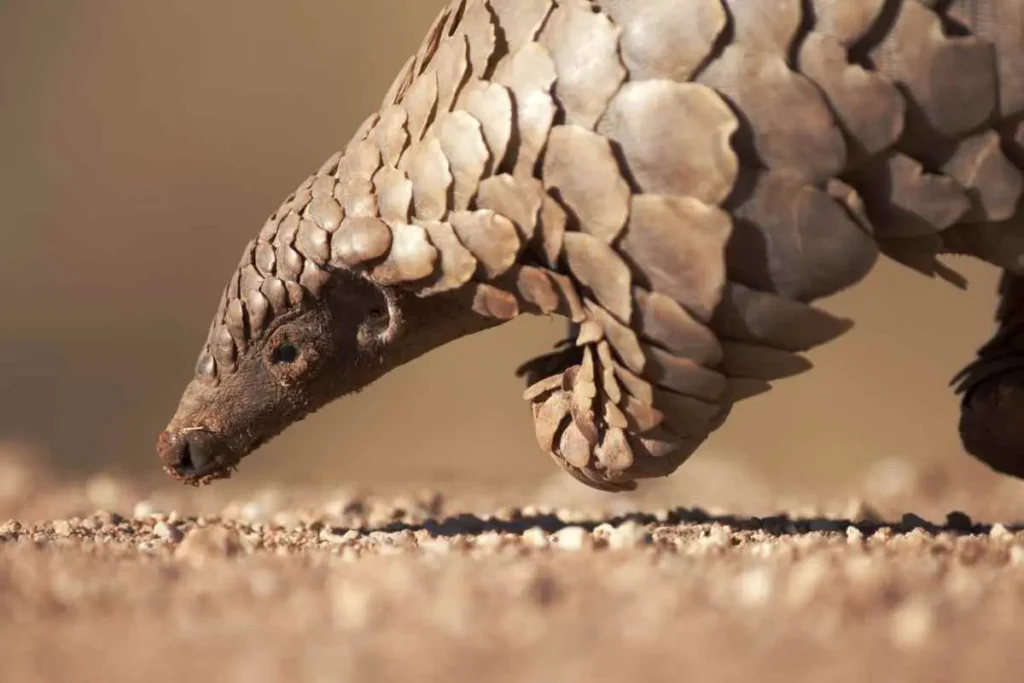
Pangolins hold a grim, tragic title. They are the most trafficked mammals in the world. They face relentless, localized hunting for their meat, which is treated as a high-status delicacy in certain underground markets. But the real money, the money that drives the international syndicates, is in the scales.
Traffickers push the scales into traditional medicine markets, primarily in East Asia and Southeast Asia. Buyers there falsely believe the keratin armor cures everything from asthma to arthritis, and even promotes lactation. A smaller fraction of the scales also funnels into luxury fashion black markets.
The science is unambiguous. A pangolin scale is made entirely of keratin. It contains the exact same chemical composition as a human fingernail or a horse’s hoof. Consuming it offers zero medicinal benefit. But myth pays better than science, and sustained international demand continues to drive a ruthless poaching economy.
When a pangolin feels threatened, it doesn’t fight. It doesn’t run. It simply rolls into an impenetrable, armored ball. That defense mechanism took millions of years to evolve. It works flawlessly against apex predators in the wild. A tiger can bat at a rolled-up pangolin for hours and eventually give up.
It fails completely against a poacher with a burlap sack. They just pick the animal up and walk away.
The math is brutal.
While exact weights vary depending on the age and region of the animal, an adult Indian pangolin typically yields around a single kilogram of scales. A 16.5-kilogram seizure doesn’t represent a single poached animal. It represents an eradicated local population. It means a syndicate operated long enough, and quietly enough, to systematically hunt, kill, boil, and process over fifteen of these highly elusive, solitary creatures before law enforcement finally closed the net.
Under the Wildlife (Protection) Act of 1972, the penalties for dealing in Schedule I species are designed to break the back of poaching rings. A conviction guarantees a mandatory prison sentence. It carries heavy financial penalties. But convictions require watertight cases. That is why the initial seizure and the chain of custody managed by the DRI are so critical. If the procedural paperwork is flawed, the smugglers walk free. The DRI Nagpur Regional Unit knows this. They secure the evidence first, ensuring the forest department has the ammunition it needs to prosecute.
The Jagdalpur operation isn’t an isolated win for the DRI. It is the latest strike in a sustained, multi-state offensive against wildlife crime syndicates. Since 2025, the Nagpur Regional Unit has aggressively dismantled networks across central and southern India.
Their track record over the past year reads like a forensic map of India’s illicit wildlife routes.
In Ujjain, Madhya Pradesh, the unit took down a syndicate trafficking leopard skins. Further south in Seoni, they intercepted a network responsible for killing a tiger cub and attempting to fence its body parts. They broke another Bhopal-based outfit moving leopard skins. In Andhra Pradesh, they collapsed a massive syndicate operating out of Pileru.
These busts reveal a highly coordinated underground economy that easily spans state lines. Poachers operating in the deep forests connect to middlemen in regional transit hubs. Those middlemen, in turn, feed the contraband to international exporters operating out of major port cities or border towns. Breaking that chain requires intelligence-driven operations, not just random forest patrols. You have to follow the money.
The DRI is currently leaning hard into that exact strategy. They run the financial trails. They track the communication networks. By coordinating closely with state forest departments, local police, and other federal enforcement agencies, they are slowly turning the hunters into the hunted.
The Jagdalpur forest officials will now take over the physical evidence. The seized scales will likely be cataloged and eventually destroyed to ensure they never re-enter the black market, or sent to the Wildlife Institute of India in Dehradun. There, forensic scientists can extract DNA from the keratin to pinpoint exactly which forest region the animals were pulled from, helping authorities map the ecological damage and identify heavily poached zones.
The three men sitting in a Chhattisgarh cell are the immediate result of Sunday’s coordination. But they are just the couriers. They are the expendable, ground-level operatives that syndicates factor into their cost of doing business.
The real target is the supply chain itself. The Directorate of Revenue Intelligence will now trace the digital and financial footprints left behind by the Jagdalpur syndicate. They will look for the buyers who placed the order for the scales, the shadowy financiers who funded the poaching operation, and the transport networks designed to move 16 kilograms of contraband out of India.
Until the buyers stop paying, the poachers won’t stop hunting. And the intelligence officers will keep kicking down their doors.