A catastrophic steam tube rupture at Vedanta’s Singhitarai facility killed 20 men, exposing a persistent history of fatal industrial safety failures and corporate reliance on outsourced labor.
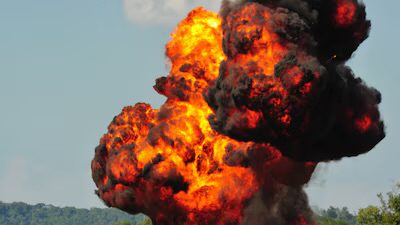
Raipur, April 15 — The steel tube gave way at 2:30 p.m. on Tuesday. It didn’t just crack. It exploded. Inside Unit 1 of Vedanta Limited’s 1,200 MW thermal power plant, a high-pressure line pushing steam from the boiler to the turbine ruptured with the force of a missile strike. Four men died where they stood. Sixteen more succumbed over the next twenty-four hours in the burn wards of Raipur and Raigarh.
Right now, the death toll sits at 20. Another 16 contract workers are fighting for their lives. Severe burns charred their bodies and obscured their identities. Police and administrative officials rushed to the site to find a stampede of surviving workers fleeing the intense heat and thick smoke.
This wasn’t an unavoidable act of God.
It was an industrial catastrophe rooted in high-pressure infrastructure. Sakti Collector Amrit Vikas Topno confirmed the grim math on Wednesday. The blast caught thirty-six men. Twenty are gone. They were painters, maintenance crew, and daily wage laborers. Six came from West Bengal, five from Chhattisgarh, three each from Jharkhand and Uttar Pradesh, two from Bihar, and one from Madhya Pradesh. These men travel hundreds of miles to work inside the belly of a massive power plant. They maintain the scaffolding. They take the risks.
Ajit Das Kar, a survivor from West Bengal, described the chaos to reporters. He said the blast hit just after they finished lunch. Thick smoke filled the facility instantly. He survived only because he worked at a height and managed to hide from the immediate blast wave.
But the men who died didn’t officially work for Vedanta. They worked for NGSL, a subcontractor handling operations and maintenance. This is the standard corporate firewall in heavy industry. When the heat hits, the contractor takes the burn. A Vedanta spokesperson confirmed the blast involved NGSL personnel. They released a statement insisting their immediate priority is providing medical care and support.
But medical care can’t reverse a blast wave.
How many bodies does it take to force a genuine overhaul of industrial safety protocols in India’s power sector?
For Vedanta, workplace fatalities aren’t an anomaly. They populate the public record. In 2009, a chimney collapsed at the Bharat Aluminium Co Ltd (BALCO) plant in Korba, a Vedanta subsidiary. The structure came down on workers sheltering from a storm, killing 45. The state government blamed substandard materials and faulty design. Fast forward to recent years, and the company’s own annual reports show a steady drumbeat of fatalities across its mining, oil, and power operations. The records show eight deaths in FY21, twelve in FY22, thirteen in FY23, and seven more in FY25.
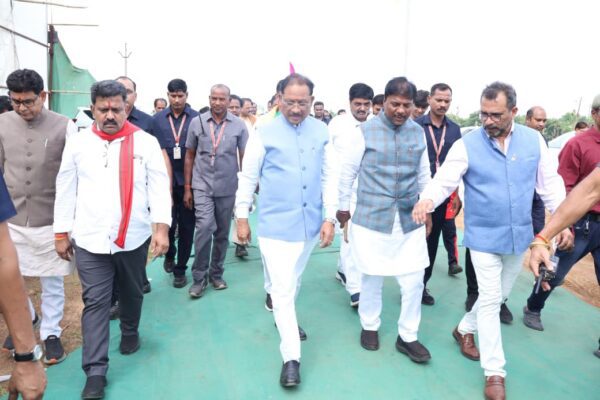
Political responses follow a tired script. Chhattisgarh Chief Minister Vishnu Deo Sai called the incident “extremely tragic” and ordered a high-level probe by the Bilaspur divisional commissioner. He announced a payout. Five lakh rupees for the families of the dead, and fifty thousand for the injured. The Prime Minister’s office followed suit with its own ex-gratia announcement. And the opposition Congress party is demanding an FIR against the plant management alongside a judicial inquiry.
None of those investigations will happen quickly. The Bilaspur commissioner will spend months reviewing maintenance logs. The plant will eventually replace the ruptured tube, fire up the coal boilers, and spin the turbines again.
Until then, twenty families are waiting for local officials to load ambulances and bring home what remains of the men who kept the power running.SDM Removed, Cops Suspended: The Viral Dance Video That Shook Gariaband AdministrationSDM Removed, Cops Suspended: The Viral Dance Video That Shook Gariaband Administration
.
source – dainkbhasker.com