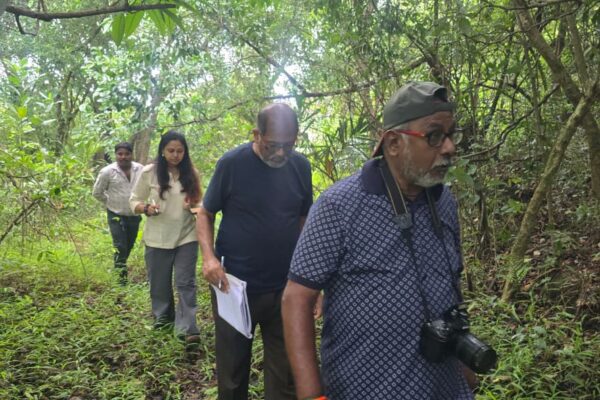
The state Forest Department invites 21 national investor groups to redevelop 393 acres of non-forest land in Raipur using a landmark PPP model.
RAIPUR, July 9 — Chhattisgarh is handing over 393 acres of its administrative land to private hands to build a pair of international-standard ecotourism projects. It’s the first time an Indian state forest department has used a public-private partnership model to develop commercial eco-parks on non-forest terrain. The state’s Forest Department has drawn up blueprints to transform a massive 350-acre plot in Nava Raipur and revamp the historic 43-acre Nandan-Van tourist site.
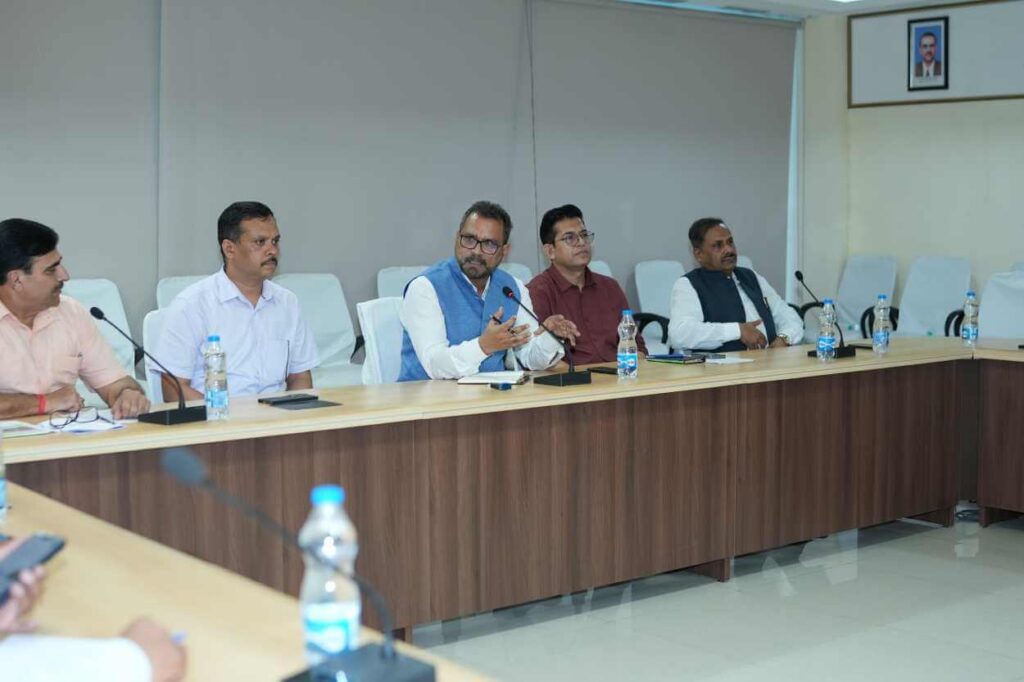
Officials haven’t kept this vision behind closed doors. A high-level consultation at Aranya Bhavan on July 6 brought together 21 major national investment groups from hospitality, real estate, and infrastructure sectors. Forest Minister Kedar Kashyap guided the session, pushing a strategy originally envisioned by Chief Minister Vishnu Deo Sai to unlock the state’s natural assets. They’ve made it clear that private money will drive the state’s push to become a global tourist hub.
Investors don’t usually see forest departments acting like aggressive business developers. But this project breaks the traditional bureaucratic mould by targeting land outside protected forest zones. Companies like Mayfair Hotels & Resorts, Bhutani Group, and Shalimar Corp Ltd sent top representatives to evaluate the commercial potential of the sites. They’re looking at a state that boasts roughly 44 per cent forest cover, ranking it among the highest in India.
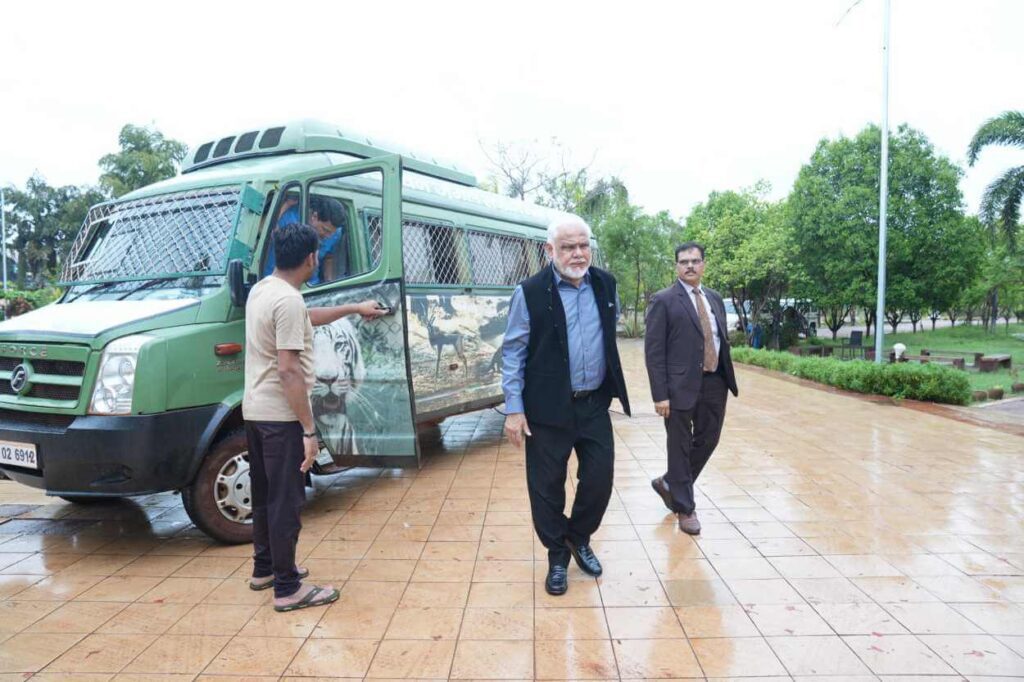
The jewel of the plan is the Nava Raipur Botanical Garden, a mega-project situated right next to the existing Jungle Safari. Planners won’t settle for a basic green space; they’re modeling the layout after global destinations like the Seychelles National Botanical Garden and Indonesia’s Bogor Botanical Gardens. The site will feature eco-friendly luxury resorts, musical fountains, a military heritage museum, and water-world rides. Can a state-run environmental agency successfully pull off a commercial entertainment hub of this scale?
There’s also a heavy focus on local culture and economic integration built into the Nava Raipur design. The department’s plans include dedicated spaces for an organic farmers’ market, a Bastar art outlet, and a local artisans’ market. So the financial benefits won’t just flow to big corporate entities; they’ll directly support rural livelihoods. Industry stakeholders like Shrivats Sharma of Green Aid Landscaper Pvt. Ltd. and Aditya Golechha of Golechha Agro Projects Pvt. Ltd. offered design suggestions during the high-level meeting.
Meanwhile, the 43-acre Nandan-Van site on the Raipur-Bhilai Road is getting a complete overhaul. It’s an iconic but ageing destination that officials want to turn into a health and wellness retreat. The upgraded facility will include a specialized aviary for exotic birds, an Ayurveda wellness store, open-air event spaces, and a dedicated children’s sports zone. Developers aren’t just looking at entertainment; they’re banking on the growing urban demand for family-centric wellness spaces.
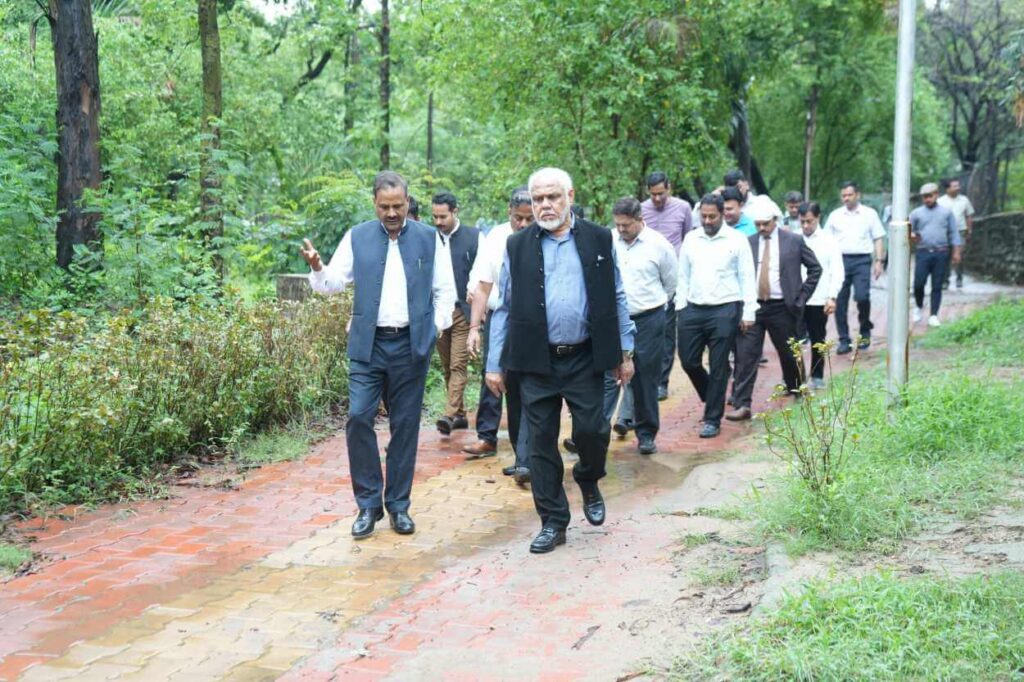
The sheer variety of corporate players at Aranya Bhavan shows how serious the market is taking this eco-friendly push. Attendees included Ashwani Chatley from Bhutani Group, Udayraj Singhania from SBPL, and Nilesh Madke from Mayfair Hotels & Resorts. Other key figures like Gagandeep Tuteja of Hotel Grand Imperia, Ritesh Agrawal of S.L.T. Infrastructure, and Vivek Agrawal of Geeta Lakes carefully reviewed the government’s terms. They’ve expressed strong confidence that these projects will set a brand-new national benchmark for sustainable tourism.
Senior officials took serious note of the feedback from developers like Avdesh Shukla of Hotel Babylon and Sandhay Pal of Avinash Developers Pvt. Ltd. Solutions from specialized firms like Sanjay G. Nagulwar of Forest N Flora Mitawaki and Aakash Pathak of Ilika Greentech Pvt. Ltd. will likely influence the final engineering designs. The state won’t compromise its environmental standing, aiming to generate massive employment while keeping its vast wilderness completely intact.
The state’s green gamble shows it isn’t afraid to let private cash reshape public conservation.