Chhattisgarh Launches Statewide Scientific Documentation of Traditional Medicinal Knowledge and Ethnobotanical Heritage
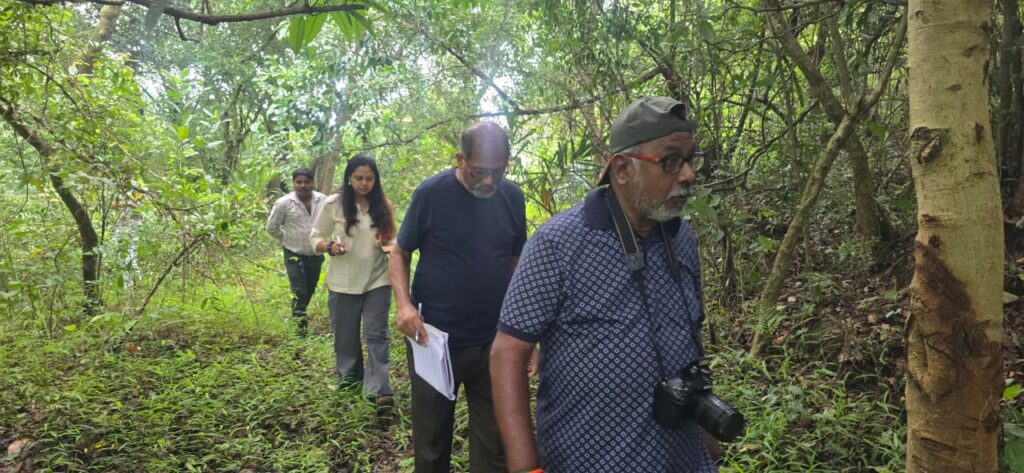
Team of Expert Scientists Conducts Extensive Field Surveys Across Bastar Division; Traditional Healers and Indigenous Communities Contribute Valuable Ethnobotanical Knowledge
Under the visionary leadership of Hon’ble Chief Minister Shri Vishnu Deo Sai and the guidance of Hon’ble Forest Minister Shri Kedar Kashyap, the Chhattisgarh State Biodiversity Board, under the Forest and Climate Change Department, has initiated a comprehensive scientific research programme aimed at documenting, conserving and scientifically validating the state’s rich ethnobotanical heritage and traditional knowledge systems.
The project, titled “Ethnobotanical Investigation of Plants Used by Local Communities in Chhattisgarh (Ethnobotany of Chhattisgarh)”, seeks to systematically document the traditional use of medicinal, edible and culturally significant plant species by indigenous communities across the state. The study also aims to scientifically evaluate traditional knowledge that has been preserved through generations and continues to support community health, livelihoods and biodiversity conservation.
Expert Scientific Team Begins Field Investigations in Bastar
As part of the first phase of the project, an expert scientific team undertook extensive field surveys across the Bastar Division. The research team comprises distinguished experts:
- Dr. K. Ravi Kumar, Emeritus Professor, The University of Trans-Disciplinary Health Sciences and Technology (TDU), Bengaluru
- Dr. Abdul Kareem, Professor, The University of Trans-Disciplinary Health Sciences and Technology (TDU), Bengaluru
- Dr. Devyani Sharma, Expert, Tribal Medicine
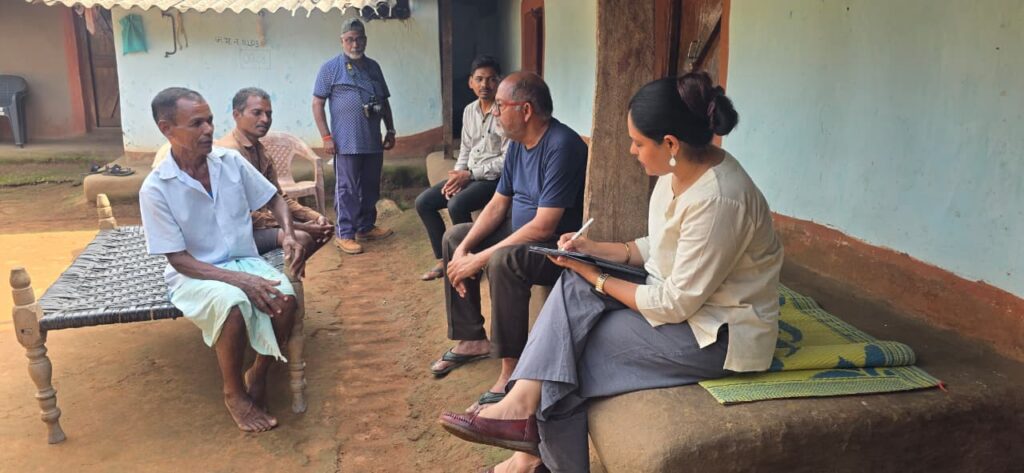
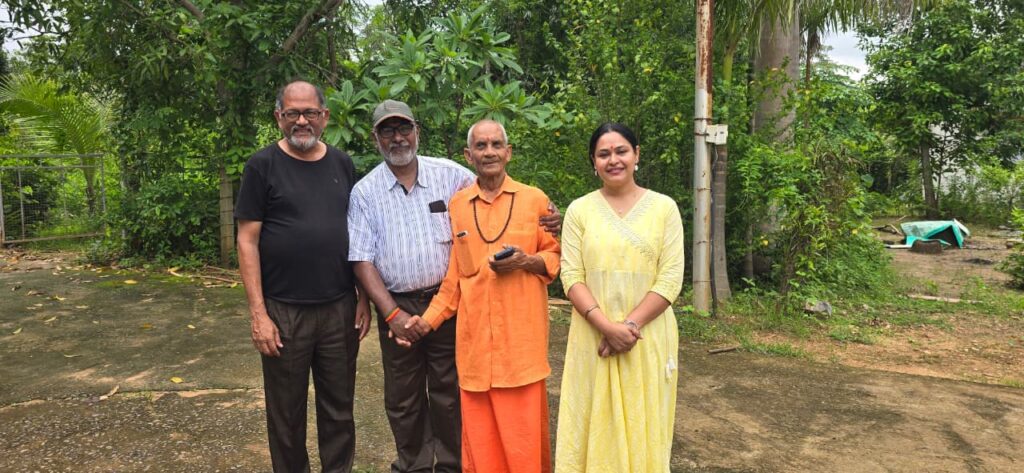
The team is conducting an in-depth assessment of how local communities utilize plant resources in their everyday lives, traditional healthcare systems, festivals, rituals and socio-cultural practices. The research extends beyond medicinal applications to examine the role of plants in indigenous architecture, traditional music, cultural traditions, food systems and local livelihoods, thereby providing a holistic understanding of Bastar’s indigenous knowledge systems.
Documenting Indigenous Healthcare Practices
The field survey commenced in Bijapur district, where the researchers interacted extensively with renowned traditional healers and community elders. During these interactions, the team documented valuable information on medicinal plants, indigenous diagnostic practices, traditional formulations, methods of preparation, dosage patterns and therapeutic applications. Special attention was also given to edible wild plants, forest vegetables and edible tubers that contribute significantly to local food security and nutrition.
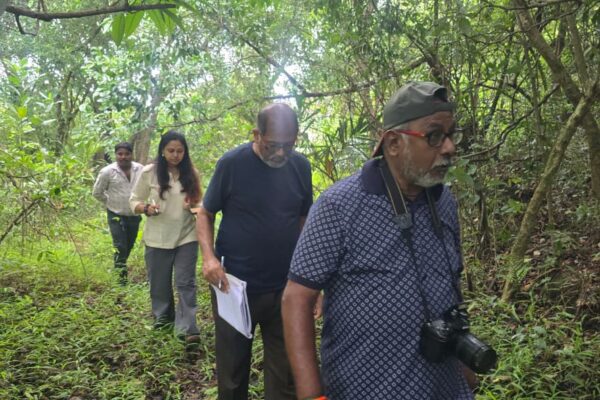
To ensure accurate botanical identification, the scientific team accompanied traditional healers into forest landscapes, where medicinal and edible plant species were observed and recorded in their natural habitats. This collaborative field verification is expected to strengthen the scientific credibility of the documentation while preserving indigenous taxonomic knowledge.
Understanding the Cultural Landscape of Traditional Knowledge
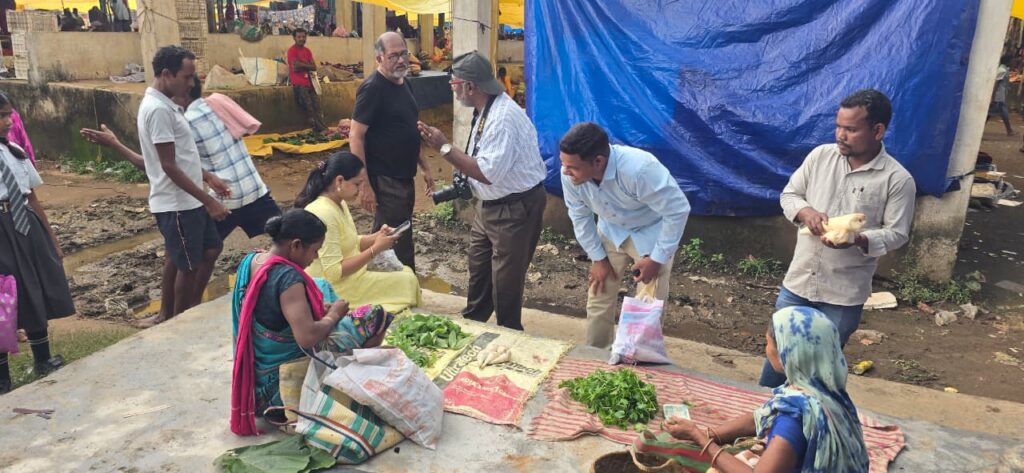
In addition to documenting medicinal practices, the researchers closely observed the lifestyle, housing patterns, customary traditions and ecological relationships maintained by indigenous communities. Such observations are helping establish the intrinsic link between biodiversity conservation and the cultural identity of tribal societies in Bastar.
Following the initial surveys in Bijapur, the research team expanded its field investigations to Dantewada, Bastar, Kondagaon and Kanker districts, where further consultations with traditional healers, community knowledge holders and local villagers enabled the compilation of valuable ethnobotanical and cultural information.
Conserving Traditional Knowledge for Future Generations
The first phase of the project has laid a strong scientific foundation by compiling extensive preliminary data, traditional knowledge and field observations from key locations across the Bastar Division. The information generated through this research will contribute significantly to the conservation of traditional medicinal knowledge, sustainable utilization of biodiversity and preservation of Chhattisgarh’s rich cultural heritage.
In the subsequent phases, the study will be extended to other forest divisions across the state to create a comprehensive ethnobotanical database of Chhattisgarh. The initiative is expected to support biodiversity conservation, strengthen traditional healthcare systems, promote sustainable livelihoods and safeguard invaluable indigenous knowledge for future generations through scientific documentation and validation.



Leave a Reply