By Roots Global Desk
The blazing barricades and mass chants that defined the Iranian autumn of 2022 have mostly vanished from the main squares of major cities. Yet, to conclude that the movement sparked by the death in custody of Mahsa Amini has been defeated is to misread the current reality on the streets of Iran.
Nearly two years after the initial uprising, the dynamic between the Islamic Republic and its citizens has fundamentally shifted. The protest movement has transformed from an explosive, daily confrontation into a stubborn, grinding war of attrition characterized by widespread civil disobedience, economic anxieties, and sporadic flashes of intense unrest.
The New Normal of Resistance
The most visible frontline of this ongoing struggle is the defiance of mandatory hijab laws. Despite authorities reinstalling surveillance cameras and aiming text message warnings at vehicle owners transporting unveiled women, a walk through central Tehran or neighborhoods in Isfahan reveals a significant shift. Women, particularly the young, increasingly appear in public without headscarves, transforming a personal choice into a political act of non-compliance.
“They can arrest ten of us today, but tomorrow twenty more will walk out uncovered,” said Sarah, a 24-year-old university student in Tehran, whose name has been changed for her security. “We aren’t fighting for just a piece of cloth anymore; we are fighting for the right to exist on our own terms. The fear barrier has been broken.”
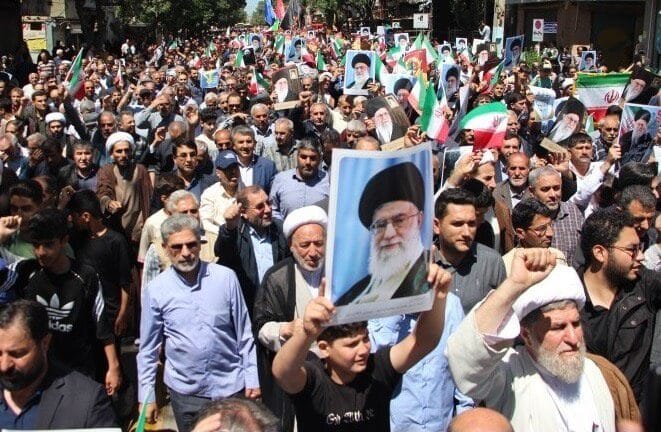
Human rights organizations report that while mass street mobilization has decreased due to the high cost of participation—thousands have been arrested and several executed in connection with the protests—the anger has merely been channeled elsewhere. Nightly rooftop chanting against Supreme Leader Ayatollah Ali Khamenei continues in many districts, and anti-regime graffiti reappears almost as quickly as municipalities paint over it.
The Economic Driver
Adding fuel to the simmering political discontent is an economy in freefall. With inflation hovering above 40% and the rial devaluing further against foreign currencies, the basic cost of living has become unbearable for millions.
Recent weeks have seen scattered labor strikes and smaller protests focused on unpaid wages and pension cuts. While ostensibly economic, these gatherings frequently adopt anti-government slogans, highlighting how the financial crisis is inextricably linked to the political crisis in the minds of the public.
Analysts suggest that the government’s inability to stabilize the economy is eroding what little support base it retains, creating a volatile environment where a single spark—a new subsidy cut or another high-profile incident of police brutality—could reignite large-scale street action.
The State’s Iron Grip
The state’s response remains rooted in securitization. The Islamic Revolutionary Guard Corps (IRGC) and Basij militia maintain a heavy, visible presence in restive provinces like Sistan and Baluchestan and Kurdistan.
International pressure continues to mount, with the UN Fact-Finding Mission recently stating that the violent repression of the protests amounted to crimes against humanity. However, Tehran has shown little sign of bending to external criticism, doubling down on domestic control and internet censorship to prevent organization among dissidents.
While the world’s cameras may have moved on, the standoff inside Iran continues. It is a tense stalemate between a population yearning for fundamental change and a ruling system willing to use maximum force to maintain its grip on power. The current quiet is not one of peace, but of a deep, unresolved tension waiting for its next outlet.