By Rootsalert Health Desk
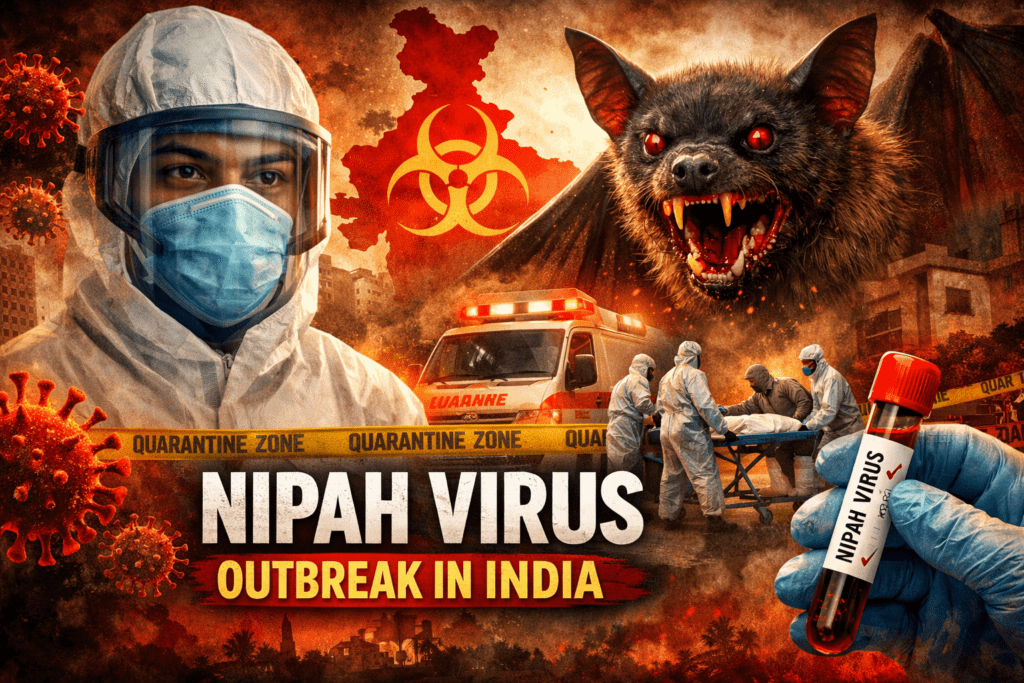
NEW DELHI, January 30, 2026 – Following the confirmation of two new Nipah virus (NiV) cases in West Bengal earlier this month, health authorities and the public are drawing inevitable parallels to the COVID-19 pandemic. While the World Health Organization (WHO) and the National Centre for Disease Control (NCDC) have classified the current risk as low, several neighboring countries have already reintroduced “COVID-style” health screenings at airports, sparking concerns of a broader resurgence of restrictive measures.
The Situation: West Bengal Under Surveillance
The latest outbreak involves two 25-year-old healthcare workers—a male and a female nurse—at a private hospital in Barasat, North 24 Parganas. Both patients developed severe neurological symptoms in late December 2025, with confirmation coming from the National Institute of Virology (NIV), Pune, on January 13.
Currently, 196 high-risk contacts are being monitored. While the male patient is reportedly recovering, the female patient remains in critical condition. Authorities emphasize that this is a localized outbreak, marking India’s seventh documented Nipah event since 2001.
Nipah vs. COVID-19: A Critical Comparison
While both are zoonotic (animal-to-human) viruses, they behave very differently in a population. Understanding these differences is key to preventing unnecessary panic.
| Feature | Nipah Virus (NiV) | COVID-19 (SARS-CoV-2) |
| Transmission | Bats/Pigs to humans; close contact with body fluids. | Highly airborne; respiratory droplets. |
| Fatality Rate | Extremely High (40% to 75%) | Relatively Low (~1% to 2%) |
| Pandemic Potential | Low (requires very close contact) | High (spreads through the air easily) |
| Asymptomatic Spread | Rare; patients usually become severely ill quickly. | Common; major driver of the pandemic. |
| Primary Symptoms | Encephalitis (brain swelling), seizures, coma. | Respiratory distress, cough, loss of taste/smell. |
The Expert View: Unlike COVID-19, Nipah is a “BSL-4” pathogen, making it far more lethal but significantly less contagious. Because infected individuals become incapacitated quickly, they are less likely to move around and spread the virus through the community.
Vital Precautions: How to Stay Safe
There is currently no licensed vaccine or specific antiviral treatment for Nipah. Prevention is the only effective strategy.
1. Avoid Animal Reservoirs
- Fruit Safety: Do not consume fruits that show signs of bird or bat bites.
- Avoid Raw Sap: Do not drink raw date palm sap, as it is a frequent source of contamination from fruit bats.
- Pig Contact: Avoid contact with sick pigs or horses in affected regions.
2. Personal Hygiene (COVID-Style Habits)
- Handwashing: Use soap and water frequently, especially after visiting hospitals or high-risk areas.
- Avoid Fluid Contact: Nipah spreads through saliva, blood, and urine. Do not share utensils, bedding, or towels with anyone showing symptoms.
3. Symptom Awareness
If you experience a sudden high fever, headache, or confusion—especially after traveling to West Bengal or Kerala—seek medical attention immediately. Early supportive care is the only way to manage the severe neurological complications