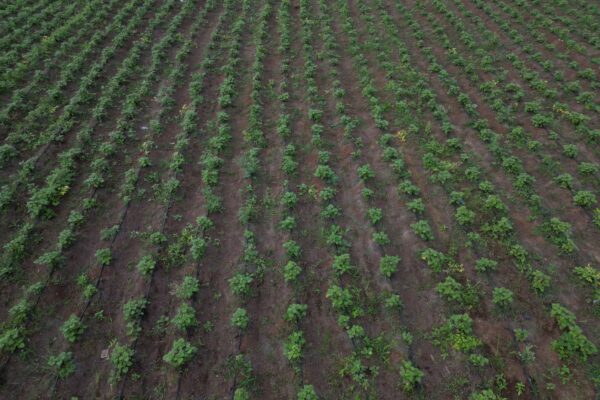
The state’s Medicinal Plant Board is rolling out CSIR-developed Patchouli varieties on an eight-acre trial plot to secure direct corporate buyers for local farmers.
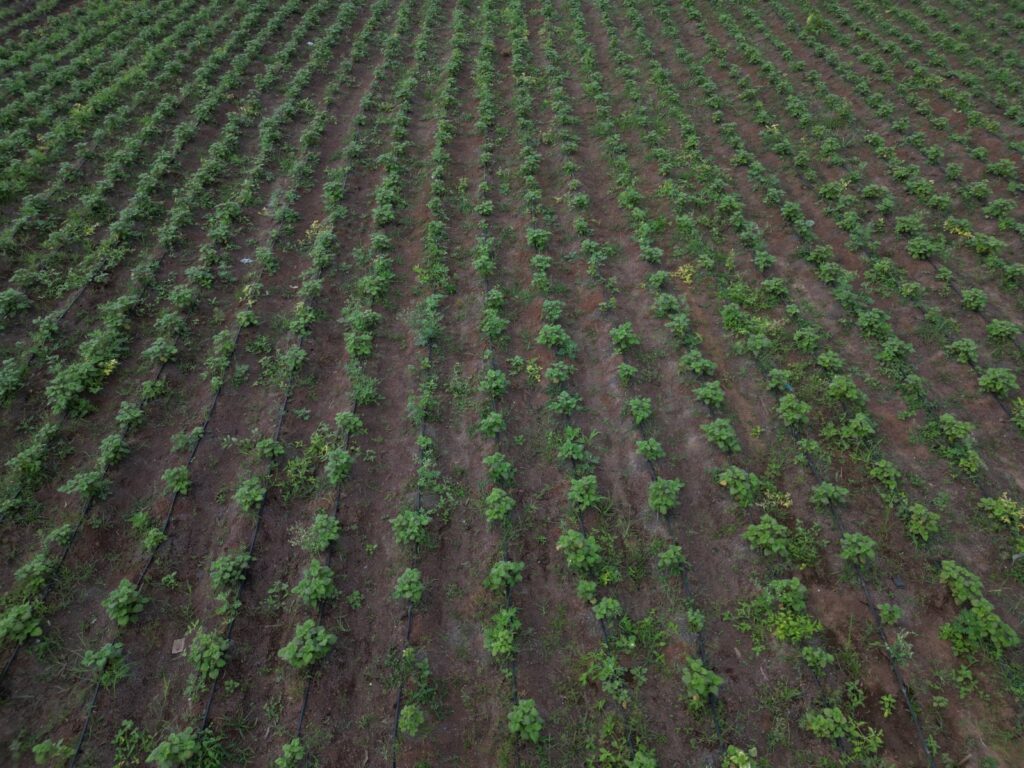
RAIPUR, August 7 — Chhattisgarh’s farmers could soon extract up to ₹1.5 lakh per acre annually by supplying the international fragrance industry. The State Forest Department and the Chhattisgarh Adivasi, Local Health Tradition & Medicinal Plant Board just broke ground on an experimental eight-acre Patchouli cultivation project. They aren’t treating this as a minor agricultural hobby. Guided by Forest Minister Kedar Kashyap, the administration wants to pivot rural cultivators away from volatile traditional markets and directly into the highly lucrative global cosmetics supply chain.
Patchouli oil drives the premium perfume sector because it acts as a flawless natural fixative, holding volatile scents together so they last longer on human skin.
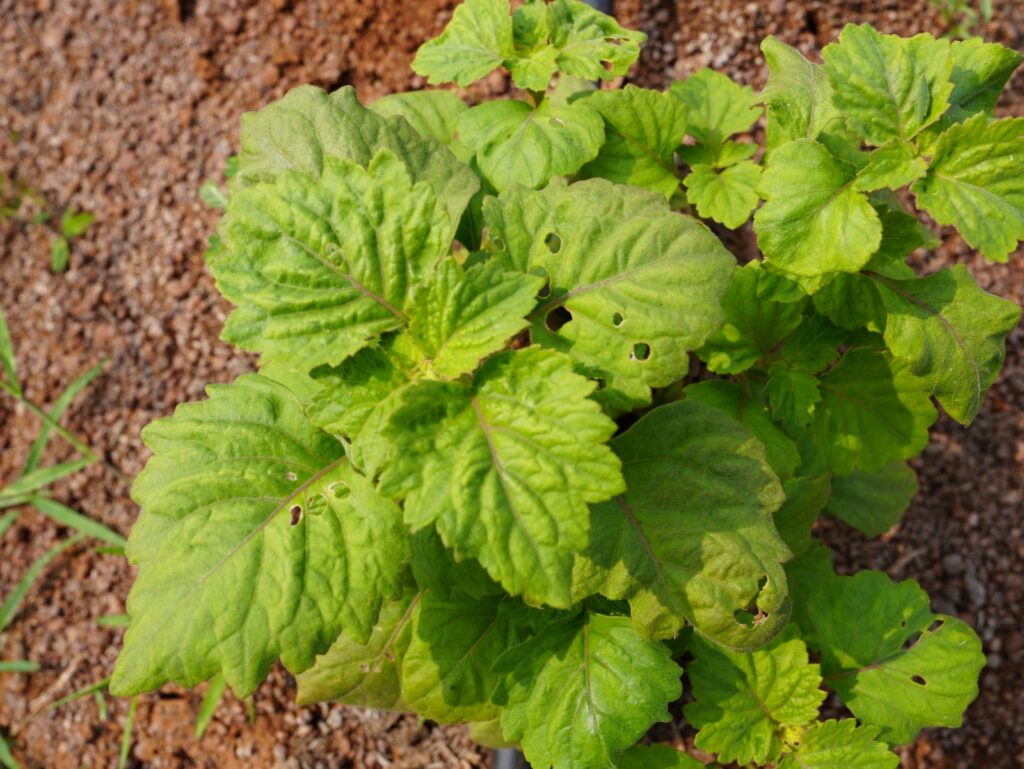
You can’t synthesize its complex molecular structure effectively in a laboratory. That biological reality forces international perfume houses, soap manufacturers, and aromatherapy companies to rely entirely on raw agricultural supply. The herb also doubles as a medicinal powerhouse, heavily utilized in traditional acne treatments, stress relief therapies, and natural pest control.
How does a central Indian state suddenly insert its farmers into the middle of a high-end international supply chain?
They abandon outdated farming methods and bring in advanced genetics. The state partnered with the Central Institute of Medicinal and Aromatic Plants (CSIR-CIMAP) to procure elite, high-yielding varieties like ‘CIM-Utkrisht’ and ‘Johar.’ These specific cultivars are engineered to produce essential oil with a patchoulol content exceeding 30 percent, the exact chemical threshold demanded by international buyers.
And they’re perfectly suited for Chhattisgarh’s climate.
The bushy herb thrives in hot, humid weather and fertile loamy soil with a pH ranging from 5.5 to 7.0. Farmers plant roughly 12,500 saplings per acre during the July and August monsoon window. The crop doesn’t even require dedicated open fields. Cultivators can intercrop the saplings under the light shade of existing coconut, areca nut, or fruit orchards, doubling their land’s economic output without clearing a single new acre.
The financial turnaround is exceptionally fast.
Farmers pull their first harvest just four to six months after the initial planting. Because of the region’s climate, they can hit two to three full harvests every single year. Field workers shade-dry the harvested leaves before pushing them through a steam distillation process to extract the thick, highly valued oil. It’s a low-cost production cycle that yields massive returns if the plants survive the heavy rains.
But agricultural pilots inevitably crash if the government doesn’t guarantee the backend logistics.
So the Medicinal Plant Board is engineering a direct-to-buyer pipeline to eliminate exploitative middlemen. Following Minister Kashyap’s strict directives, the board provides all necessary technical oversight and marketing assistance to the initial participants. They’re structuring a cluster-farming model where major corporate buyers will purchase the harvest directly from the fields, provided farmers can consolidate their planting zones into 30 to 40-acre contiguous blocks.
The strategy isn’t foolproof. Field officers are warning growers that Patchouli is highly susceptible to standing water, meaning poor field drainage will rot the roots and destroy an entire season’s profit. Teams are actively training participants to identify and aggressively treat agricultural threats like leaf blight, yellow mosaic, and root-knot nematodes.
If this initial eight-acre trial hits its production targets, the state plans a massive awareness campaign to roll the crop out across multiple districts. They’re betting that a ₹1.5 lakh annual payout will convince rural communities to ditch low-yield staples and bet on the global fragrance market.