Migratory Birds, Fishermen, and Policy Makers: Chhattisgarh Confronts the Messy Reality of Wetland Governance
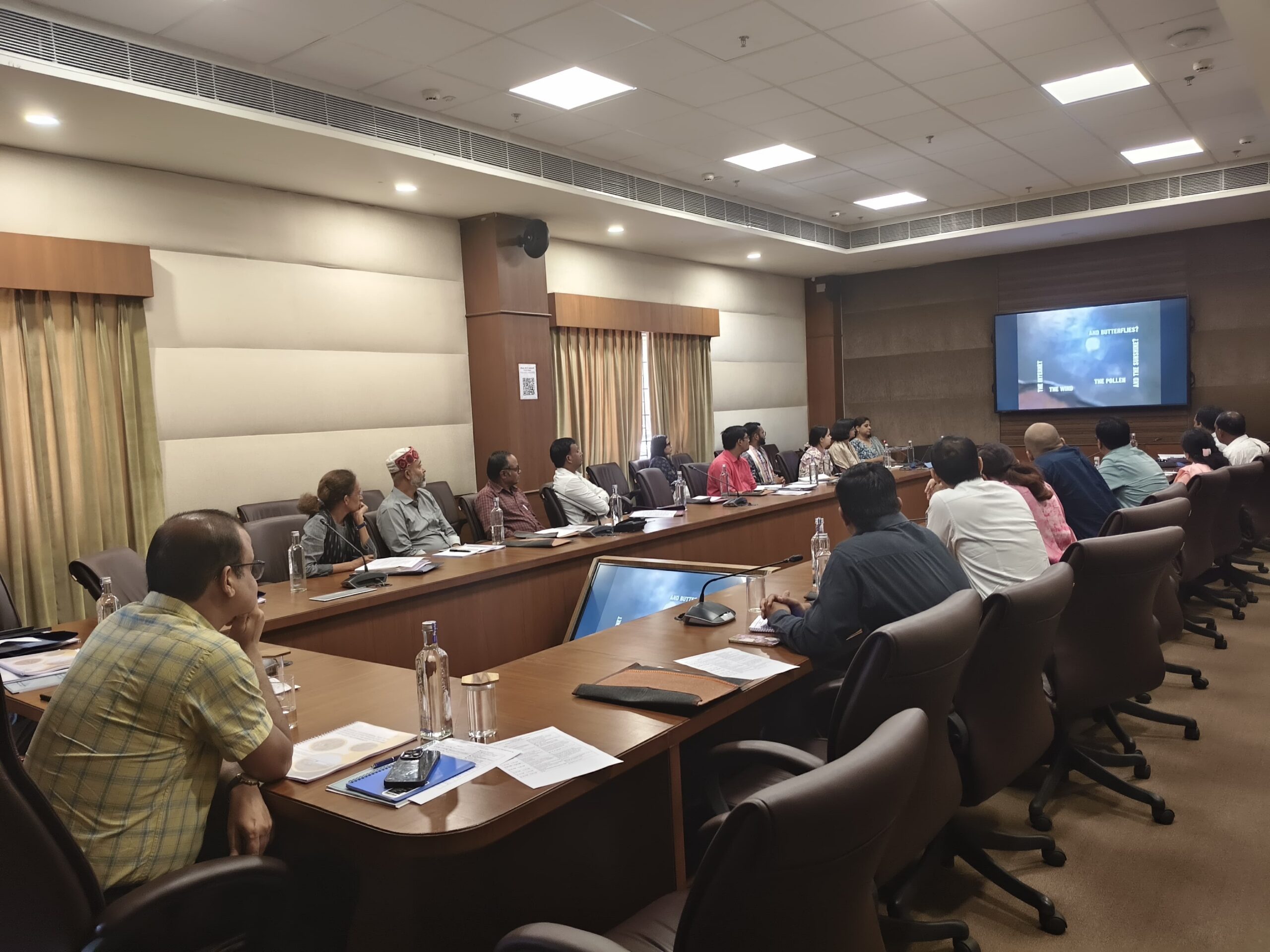
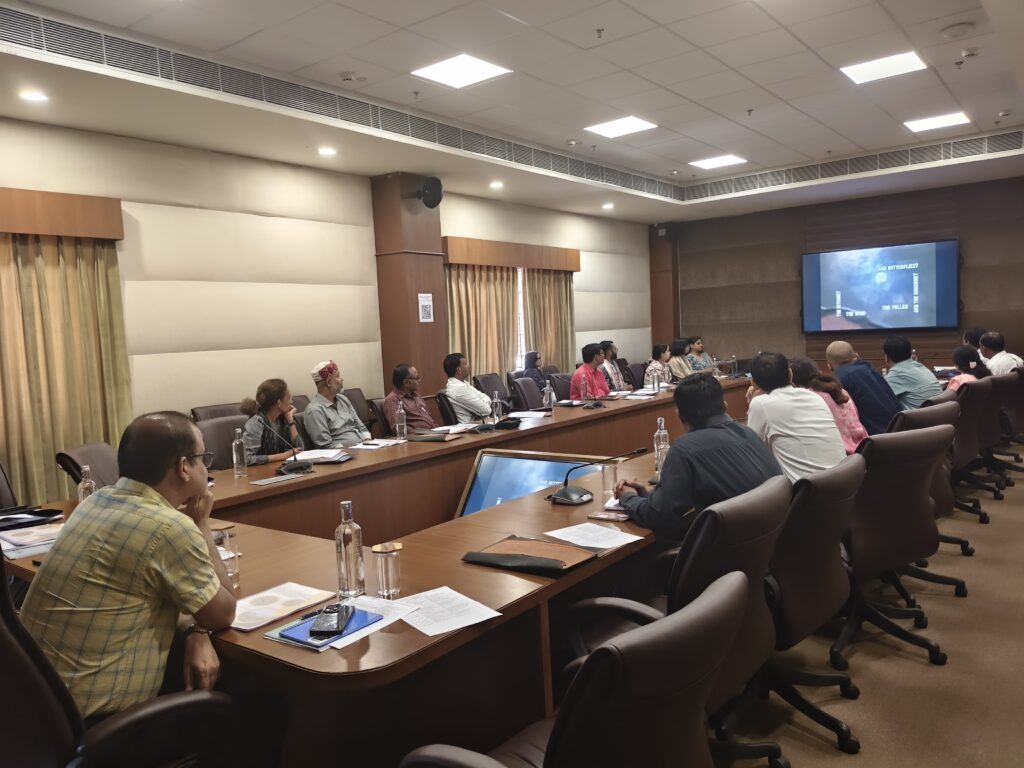
In what was one of the more substantive gatherings on environmental governance in the state this year, Raipur became the venue Monday for a wide-ranging consultation on wetland conservation one that drew together an unusually diverse set of voices, from forest officers and irrigation engineers to Panchayat secretaries and self-help group members from villages on the city’s outskirts.
The State-Level Consultation on “Wetland Governance and Community-Led Management,” jointly organised by the Chhattisgarh State Wetland Authority and the Foundation for Ecological Security (FES), brought together representatives from over a dozen government departments, research and academic institutions, civil society organisations, and Gram Panchayats to chart a course for how the state should approach wetland conservation going forward.
Opening Remarks
The programme was inaugurated by Shri Matheswaran V., IFS, Member Secretary of the Chhattisgarh State Wetland Authority, who opened with a survey of what the state has managed to achieve in recent years geo-tagging of water bodies, scientific documentation drives, and the designation of Ramsar Sites. But his remarks carried a clear message about where the gaps still lie: data and knowledge about wetlands has improved meaningfully, he said, because ordinary citizens have stepped in. Birdwatchers, local naturalists, and village communities have contributed in ways that official systems alone could not have managed.
Water as a Shared Resource
Pratiti Priyadarshini, Study Lead at FES, presented what was arguably the conceptual anchor of the day. Water, she argued, cannot be managed village by village or household by household. The more productive lens is what she described as a “ridge-to-valley” landscape perspective one that traces how water moves through interconnected ecosystems rather than stopping at administrative boundaries. The implications for governance, she said, are significant: institutions need to be built to match the actual geography of water, not the convenience of existing jurisdictions.
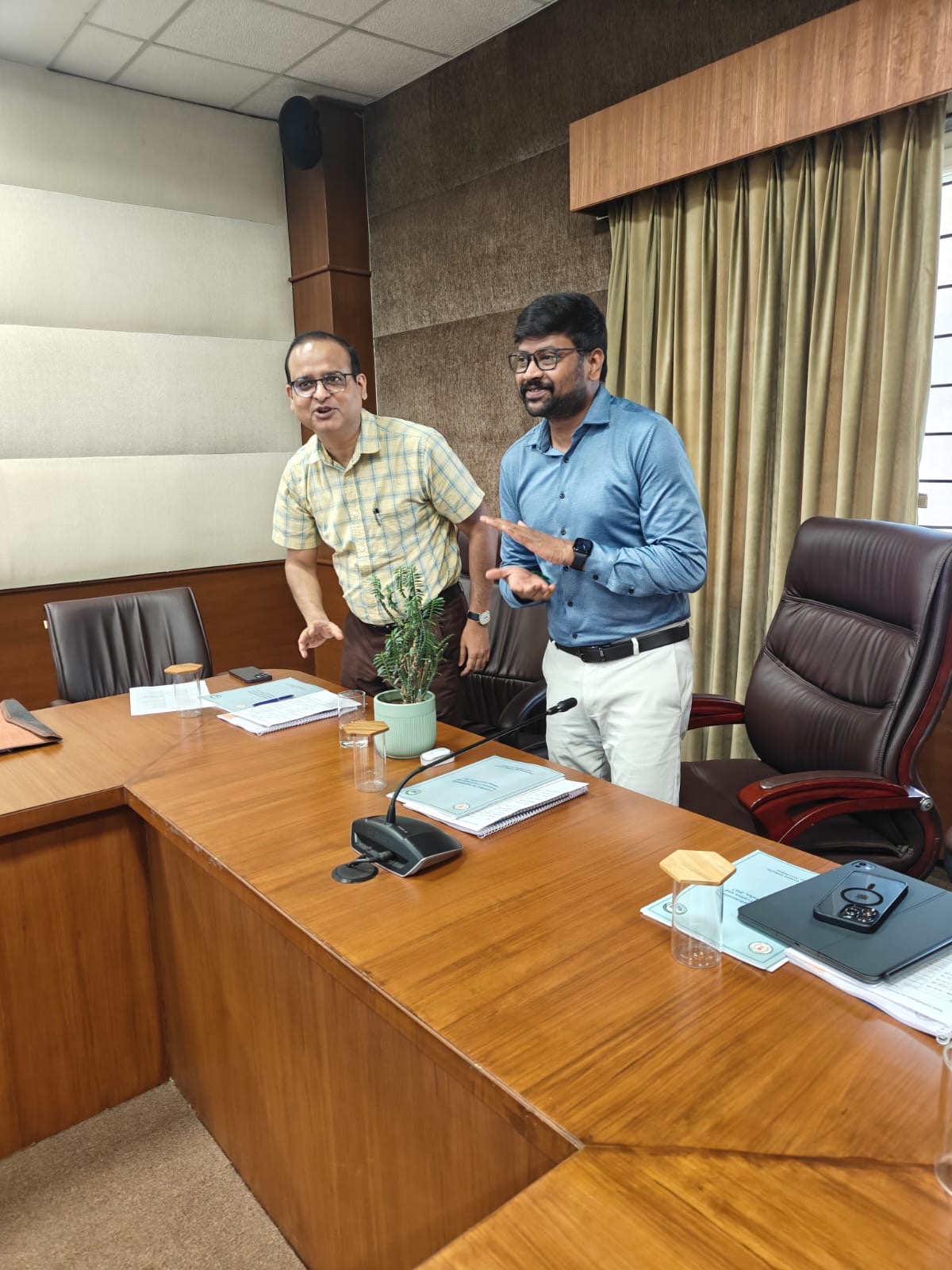
Taran Prakash Sinha, Commissioner for MGNREGA, in remarks that drew evident interest from Panchayat representatives in the room, made a related point but from a more practical angle. Complex information about wetland ecology, he observed, has little value if it cannot be communicated in language that rural communities understand. He described the goal as moving from mere “participation to partnership” a phrase that seemed to resonate with several speakers who returned to it through the day. Sinha also flagged digital tools including Jaldoot and CLART as resources gaining traction at the field level, and pointed to the growing relevance of artificial intelligence in planning and field analysis. The time has come, he said, to move beyond a narrow “blue water ecosystem” lens toward a broader “green water ecosystem” perspective that accounts for soil moisture, vegetation, and rain-fed systems alongside rivers and ponds.
Biodiversity, Water Quality, and Human Use
Himani Sharma presented findings from a wetland study conducted in collaboration with NITI Aayog. The core challenge her research pointed to was one of balance vbetween protecting biodiversity, maintaining water quality, and accommodating legitimate human use. Involving local communities directly in monitoring both biodiversity and water quality, she argued, can substantially improve conservation outcomes, not just in terms of data quality but in building the kind of local investment that makes conservation durable.
Representatives from the Irrigation Department flagged the mounting pressures on water resources from agricultural demand — a tension that surfaced repeatedly across the day’s discussions and that participants acknowledged has no easy resolution.
Long-Term Planning and the Role of Gram Panchayats
Former Principal Chief Conservator of Forests Shri R. K. Singh made the case for bringing wetland governance into the formal planning machinery of Gram Panchayats. His specific suggestion was to integrate water-related indicators into Gram Panchayat Development Plans and align them with localised Sustainable Development Goals. He spoke positively about the potential role of Biodiversity Management Committees, which exist within the Panchayat structure but have rarely been activated for wetland work. His broader argument was that resources are not the binding constraint — sustained, coordinated effort is.
Shri Mohit Sahu of the Bird and Wildlife Group reinforced the case for citizen science, emphasising that systematic monitoring and the accurate dissemination of what that monitoring reveals can do a great deal to protect wetlands that might otherwise receive little official attention.
Villages Speak
Among the more candid exchanges of the day came from elected representatives, SHG members, and Panchayat secretaries from Tor, Barbanda, Mandhar, and Godhi Gram Panchayats in Raipur district. Their account was straightforward: once their communities began to understand what wetlands actually do — and once they realised that migratory birds were arriving at their doorstep each season — local conservation efforts began to take shape organically. Gram Sabha discussions produced local rules. Community pride became a factor.
But they were also clear-eyed about the tensions involved. Fisheries remain an important source of livelihood for many families, and the consultation did not shy away from the need to reconcile conservation goals with those economic realities.
Legal and Institutional Dimensions
Raj Gupta of TRIF and the CEO of Zila Panchayat Raipur both addressed the legal and institutional framework within which community wetland governance has to operate. The Zila Panchayat CEO pointed to ongoing multi-stakeholder efforts in Raipur district as evidence that the framework, when activated, can produce results.
Prakash Gardia from Commonland Foundation stressed that landscape-level approaches require not just technical planning but ongoing dialogue among stakeholders — a point that was echoed in the consultation’s final recommendations.
Prateek, representing the State Wetland Authority, took time to address misconceptions about Ramsar Sites — clarifying that the designation does not prohibit livelihood activities and that scientific fishery management, for instance, is entirely compatible with wetland conservation obligations.
Recommendations
The consultation closed with a set of recommendations that reflected the day’s range of concerns. They included: updated documentation and mapping of wetlands across the state; formal community participation in conservation management; leadership roles for women and youth; strengthened citizen science; wetland-based livelihood development; greater empowerment of Gram Panchayats and Gram Sabhas; inter-departmental coordination; integration of wetland conservation into climate adaptation planning; and the preparation of simple Hindi-language guidance materials for local governments.
The vote of thanks was offered by FES. Participants left with a broad consensus that what the state now needs is not another diagnostic exercise but a structured process of sustained dialogue, practical knowledge resources, and community engagement that can translate the day’s agreements into action on the ground.
Discover more from Rootsalert
Subscribe to get the latest posts sent to your email.