COMILLA (Undivided Bengal): Can you imagine two eighth-grade girls picking up arms to confront a ruthless official of the British Empire? It sounds like fiction, but in 1931, it was the reality of India’s fight for freedom. This is the extraordinary story of Shanti Ghosh (15) and Suniti Chowdhury (14), the teenage revolutionaries who changed the course of history.
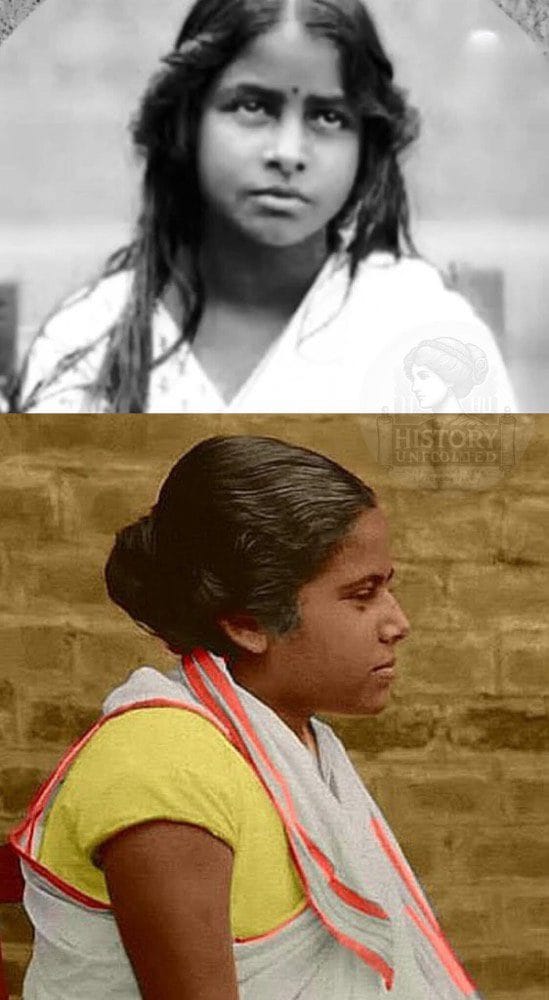
The Deceptive Morning of December 14
It was a cold morning on December 14, 1931, in Comilla (now in Bangladesh). The District Magistrate (DM), Charles Stevens, was seated in his bungalow, secure in the power of the British Raj.
Two young girls approached his residence. Their pretext was innocent enough: they sought permission to start a ‘Swimming Club’ at their school and wanted to present a petition. To further disarm the Magistrate, it is said the girls even offered him chocolates and candy.
The Assassination
As Stevens became engrossed in reading their petition, the facade of innocence was shattered. From beneath their shawls, Shanti and Suniti pulled out concealed automatic pistols.
Without hesitation, the teenagers fired at point-blank range. Charles Stevens died on the spot. It was perhaps the most shocking blow delivered to the British administration—an attack not by soldiers, but by “innocent” schoolgirls fueled by patriotism.
“Better to Die…”
Following the assassination, the girls did not flee, nor did they show fear. Reports from the time state that when they were presented in court, they were seen laughing.
Shanti Ghosh’s statement to the court remains one of the most chilling and powerful indictments of colonial rule:
“It is better to die than live in a horse’s stable.”
She compared life in enslaved India to living in a stable for animals, declaring death a superior alternative.
Trial and Punishment
Due to their young age, the British court could not sentence them to death by hanging. Instead, they were sentenced to life imprisonment (Kalapani). For seven long years, they endured severe torture and hardships in prison but never once asked for mercy.
They were eventually released in 1939, following amnesty negotiations between Mahatma Gandhi and the British government.
A Legacy of Service
Shanti Ghosh’s spirit remained unbroken. After her release, she completed her education and married Chittaranjan Das (a revolutionary from Chittagong).
In independent India, she continued her service to the nation, becoming a member of the West Bengal Legislative Assembly (MLA) and the Legislative Council (MLC). She also penned her autobiography, ‘Arun Bahni’ (The Fire of Dawn). Shanti Ghosh passed away in 1989.
Today, as we breathe in a free India, we must not forget the sacrifices of brave daughters like Shanti and Suniti, who sacrificed their childhood to secure our freedom