Prime Minister Modi coordinates with ten world leaders to secure alternative shipping lanes and stabilize essential imports as maritime insurance rates triple.
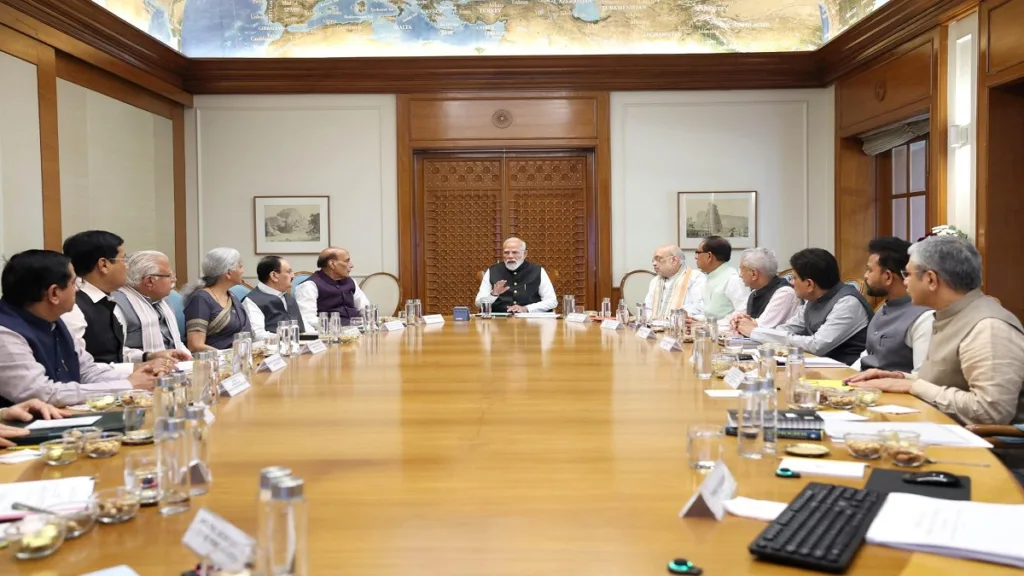
Prime Minister Narendra Modi has convened a high-level emergency meeting at 7 Lok Kalyan Marg to insulate the Indian economy from a widening Middle East conflict. The Prime Minister spent the last 48 hours in direct contact with heads of state from more than 10 countries. This isn’t just about diplomacy. It is about a looming domestic crisis. Government data shows the cost of shipping essential goods through the Red Sea has spiked by 150 percent in a fortnight.
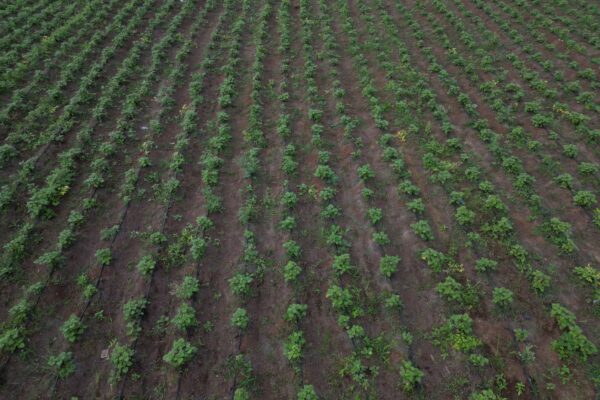
India is vulnerable where it hurts most: the soil. The Ministry of Chemicals and Fertilizers reports that 25 percent of the nation’s urea and nearly all its potash arrive via routes now sitting in a combat zone. If these shipments stall, the ripple effect hits the Indian dinner table by summer.
Modi’s “Plan B” is now active.
The strategy focuses on two fronts: diversifying the source of raw materials and bypassing the Suez Canal entirely for critical cargo. Cabinet insiders confirm the government is negotiating long-term contracts with suppliers in Canada, Russia, and Morocco to offset potential losses from Middle Eastern ports. These aren’t just polite requests. They are aggressive, state-backed procurement plays designed to keep retail fertilizer prices frozen despite global volatility.
The Prime Minister’s calls included leaders from the UAE, Saudi Arabia, and Egypt. Sources familiar with the discussions say the focus remained on maritime security and the “de-risking” of Indian flagged vessels.
But can New Delhi actually outrun a global supply chain fracture?
Logistics experts at the Ministry of Shipping have mapped out the Cape of Good Hope route as a primary alternative. It adds 12 to 15 days to the journey. It burns more fuel. It forces insurance premiums into the stratosphere. To counter this, the Finance Ministry is reportedly weighing a temporary shipping subsidy to prevent these costs from landing on the farmer’s invoice.
Petroleum remains the other ticking clock. India imports over 80 percent of its crude. While the government has built significant strategic reserves, a prolonged closure of the Strait of Hormuz would render those reserves a short-term bandage for a long-term hemorrhage.
And the numbers are stark. Industry analysts at the Federation of Indian Export Organisations (FIEO) suggest that if the conflict persists for another month, the freight cost increase will be passed on to the consumer. This isn’t just a prediction. It’s a mathematical certainty.
The Ministry of External Affairs has been instructed to fast-track the India-Middle East-Europe Economic Corridor (IMEC) framework, even as the region burns. It sounds counterintuitive. It’s actually survival. By establishing rail and sea links that rely less on singular chokepoints, New Delhi hopes to create a permanent buffer against the volatility of the Levant.
Agriculture Minister Shivraj Singh Chouhan has reportedly briefed the Prime Minister on current stock levels. The government claims it has enough fertilizer inventory to last through the upcoming Kharif sowing season. But “Plan B” looks further ahead. It looks at the winter crops. It looks at the fiscal deficit.
The government is also looking at domestic production hikes. The Department of Fertilizers has directed local plants to run at 110 percent capacity. They are being offered priority gas allocations to ensure the machines don’t stop.
“National security starts with food security,” one senior official noted during the briefing. “If the farmer can’t afford the bag of urea, the geopolitical stance doesn’t matter.”
Publicly, the Prime Minister has called for an immediate cessation of hostilities and a return to the path of dialogue. Privately, his administration is preparing for a world where that dialogue never happens. The diplomatic phone lines are open, but the cargo manifests are being rewritten in real-time.
India’s primary concern remains the 9 million citizens working in the Gulf. Their safety is a priority, but their remittances are the backbone of the foreign exchange reserves. A full-scale regional war doesn’t just stop ships; it stops the flow of capital that keeps the rupee stable.
So the government waits, watches, and plans.
The next 72 hours will determine if the “Plan B” subsidies need to be formally announced in a supplementary budget move. For now, the orders are clear: get the ships moving, find new ports, and keep the price of bread from rising.
The tractors are waiting for the rain. The government is just trying to make sure they have something to plant when it arrives.