
Friends, the tribal communities of Bastar establish stone or wooden memorial pillars, known as Mritak Stambh, in memory of a deceased person. These pillars are not merely souvenirs; they are symbols of social recognition and deep respect for the departed soul.
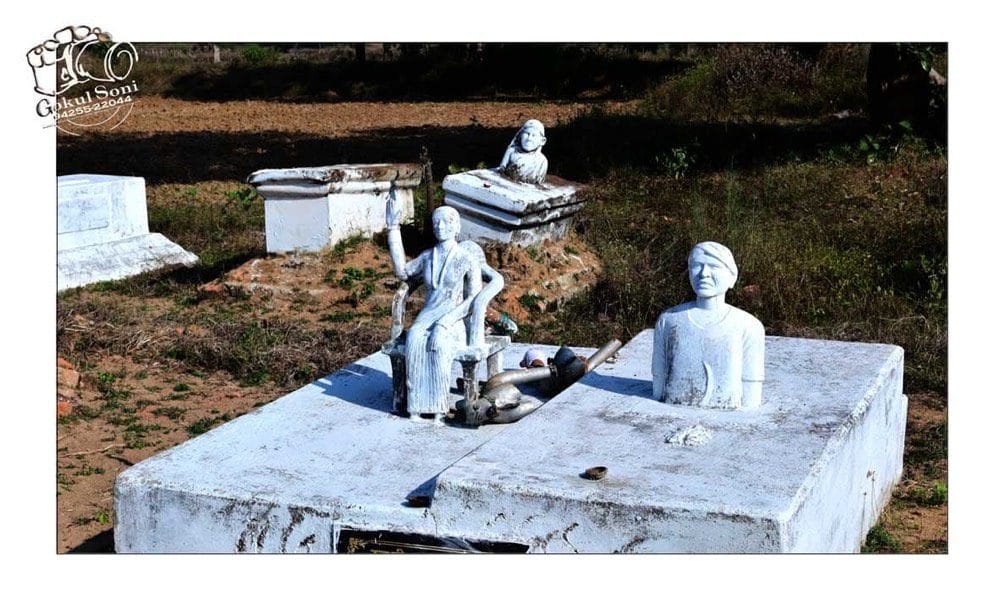
The style of these memorials varies across the region. In North Bastar, there is a custom of constructing cement platforms. However, in South Bastar, these pillars are typically crafted from local stone or durable wood like Sal and Teak.
Art and Symbolism
Once the funeral rites are completed, the pillar is erected. These structures are intricately carved with human figures, animals, hunting scenes, traditional dances, and weapons. Often, the carvings reflect the specific characteristics or skills of the deceased’s life—depicting whether they were a hunter, a dancer, or a village chieftain.
For instance, the image mentioned depicts a woman seated on a chair. This symbolism suggests that she belonged to a prestigious family within the village.
Philosophy: Death is Not the End
There is a profound belief among the tribals that establishing a Mritak Stambh brings peace to the soul. This ritual elevates the deceased person to the rank of the ancestors. The tradition teaches that death is not the end of existence; rather, it is a re-entry into society in the form of an ancestor.
Silent Keepers of History
It is often said that Bastar has little written history. In this context, the Mritak Stambh serves as a repository of folk history. Through these pillars, one can decipher who lived in the village, what their social contributions were, and what the lifestyle of that era looked like.
A Living Tradition
This tradition remains alive in many villages of Bastar today. Although modernity, forest laws, and economic constraints have brought about some changes, the Mritak Stambh remains the soul and identity of the region.
These memorial pillars are more than just structures of stone, wood, or cement. They are the silent documents of tribal society’s memory, reverence, and history—encapsulating the philosophy of both life and death.