
Shipping through the world’s key oil chokepoint is under fresh threat as both sides trade strikes and warnings.
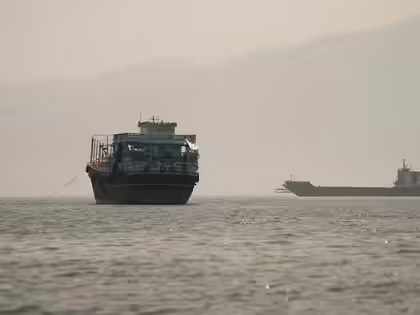
The Strait of Hormuz is back under severe pressure after fresh US strikes on Iranian targets and retaliatory moves across the Gulf pushed the region closer to a wider clash. A fragile US-Iran understanding has broken down as attacks, warnings and shipping disruption spread through one of the world’s most important oil routes.
US aircraft struck Iranian missile and drone storage locations and coastal radar sites, while Iran answered with attacks on US-linked positions in Bahrain and other Gulf states. The latest round has widened a conflict that now reaches beyond the original battleground and into the waterway that carries a major share of global energy trade.
Washington says the strikes were retaliation for Iranian attacks on shipping and military positions, not the start of a full return to war. But the damage is already spilling into the maritime lane itself, and the Strait of Hormuz remains one of the most sensitive chokepoints on the planet.
Iranian state media and military claims say US-linked sites across the region were hit, while Gulf governments reported incoming drones and projectiles. Bahrain said Iranian drone attacks struck its territory and called it a violation of sovereignty.
The question now is simple: how long can commercial shipping keep moving normally through a waterway this exposed?
Shipping traffic has already taken a hit. A tanker was reported struck in the Strait of Hormuz by an unidentified projectile, and the threat level in the area has risen sharply. Reports say the crisis has badly strained an interim understanding that was supposed to calm the seas and restore safer marine traffic.
Trump has hardened the rhetoric with warnings of more very hard actions, while US officials say they’re still trying to avoid a larger war. Gulf states, meanwhile, are scrambling to protect ports, military sites and shipping lanes from spillover.
And the economic stakes are immediate. The Strait of Hormuz is a critical route for global oil and gas flows, so any prolonged disruption can push energy prices higher and rattle markets far beyond the Middle East.
So this isn’t just a regional firefight. It’s a supply-line crisis with global consequences.