
As Brent crude crosses $100, the Reserve Bank faces an impossible choice: hike rates immediately or watch the national deficit explode.
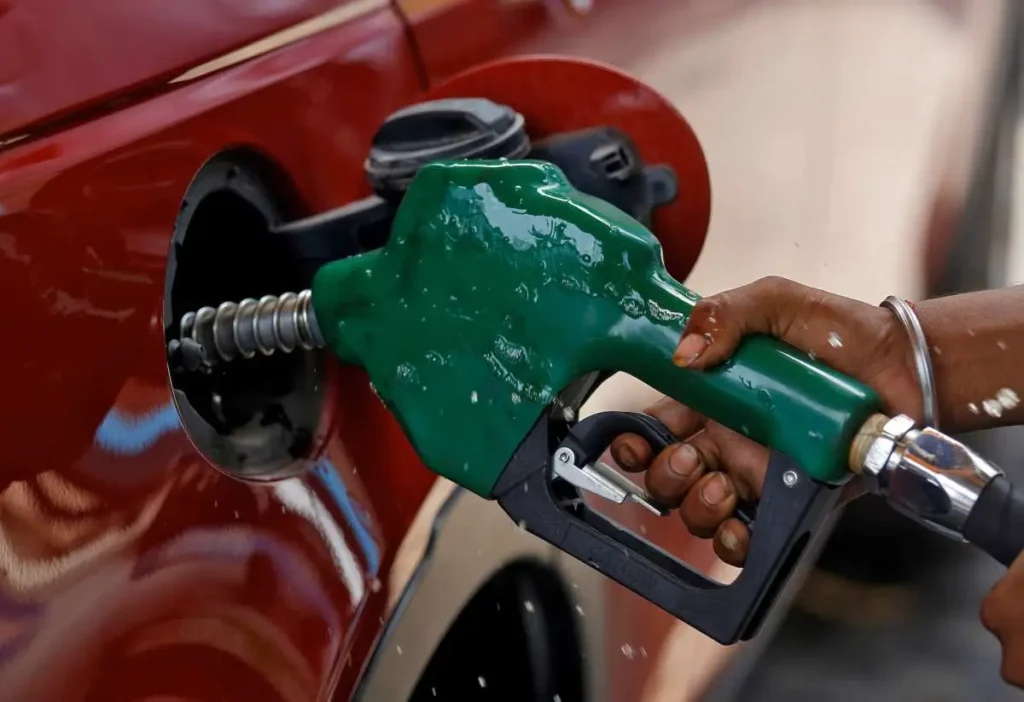
Raipur, April 4, 2026 — Global crude oil just crossed $100 a barrel. For Indian consumers, the bill comes due tomorrow.
The math is brutal and unavoidable. Every time Brent crude jumps $10, India’s headline inflation surges by up to 60 basis points. That isn’t a theoretical economic model. It’s the price of groceries, the cost of a daily commute, and the interest rate on a middle-class home loan.
HSBC economists issued the warning first. If crude sustains above the $100 threshold, India’s retail inflation shatters the Reserve Bank of India’s 6 percent tolerance limit. That triggers an immediate, aggressive response. The central bank hikes rates. Credit gets expensive. Economic engines stall.
CareEdge Ratings mapped out the exact damage earlier this week. Under normal conditions, with oil sitting comfortably between $60 and $70 a barrel, India’s gross domestic product growth looked robust at 7.2 percent. Those days are gone. With crude averaging $90, growth projections shrank to 6.7 percent. At $100 a barrel, the economy decelerates to 6.5 percent for the 2026-27 financial year.
Push it to $110, and growth drops to 6.1 percent. At $120, India falls below the 6 percent mark.
The escalating conflict in West Asia dictates these numbers. India imports massive volumes of its energy needs. In the first ten months of the previous fiscal year alone, West Asia supplied 51 percent of India’s crude and petroleum imports. When rockets fly in the Middle East and shipping routes through the Strait of Hormuz choke, Indian supply chains break.
Revati Kasture, CEO of CareEdge Global IFSC Limited, laid out the mechanics. The fuel component carries heavy weight in India’s Consumer Price Index. Right now, state-run oil marketing companies absorb the shock. They keep retail petrol and diesel prices artificially stable to prevent mass panic.
That strategy has an expiration date.
Sustained high crude prices inevitably pass through to the consumer. When pump prices rise, transport costs spike. Everything moved by truck gets more expensive. Food inflation follows within weeks.
Arnab Basu, speaking at the recent BT Mindrush summit, pointed to a secondary, largely ignored crisis. The energy shock hits agriculture long before tractors run out of diesel. India relies heavily on fertiliser and chemical imports from Saudi Arabia and Oman. Crude oil drives the cost of these essential inputs. Farmers pay more to grow the exact same crops. That triggers a new wave of food inflation. It threatens critical exports like basmati rice. It bleeds rural incomes dry.
Then comes the currency crisis.
The Indian rupee hit a historic low of ₹92.47 against the US dollar in early March. That represents a terrifying slide—₹9 weaker than it stood just two years ago.
Kasture noted the immediate macroeconomic chain reaction. A higher oil import bill widens the Current Account Deficit. For every $10 increase in average crude prices, the deficit expands by 30 to 40 basis points. Foreign investors hate widening deficits. They seek safe-haven assets. They buy dollars. The rupee weakens further. A weaker rupee makes imported oil even more expensive.
It’s a textbook vicious cycle.
The stock market already feels the panic. In just two weeks in March, Foreign Institutional Investors dumped ₹34,000 crore worth of Indian equities. They pulled their capital out. The Nifty and Sensex recorded their steepest weekly plunges in four years. Aviation stocks nose-dived as jet fuel costs spiraled. India VIX, the market’s fear gauge, skyrocketed 65 percent in a single month.
When big money leaves, retail investors bleed. Mutual funds and systematic investment plans take the hit. Companies like HDFC Bank, Infosys, and Tata Motors saw their valuations drop—not from poor performance, but from a systemic liquidity drain.
The Indian government faces an impossible choice.
Policymakers stand at a crossroad. HSBC analysts prescribe a bitter pill. They advise maintaining the fiscal deficit near current levels. Doing that requires the government to raise retail petrol and diesel prices immediately. Shielding the consumer builds a massive fiscal time bomb.
Economists draw a direct line to the COVID-19 pandemic. Back then, governments stimulated demand before supply chains recovered. The result was sticky, persistent inflation that took years to crush. Repeating that mistake now—pumping money into the economy while energy costs strangle supply—guarantees disaster. An interest-rate defense to protect the rupee becomes incredibly expensive when high oil prices already drag down economic growth.
The government must balance inflation control with economic expansion. Raise fuel prices, and citizens riot at the pump. Keep them low, and the national deficit explodes, triggering credit downgrades and higher borrowing costs for everyone.
Higher subsidy outlays loom on the horizon. Spiking Liquefied Natural Gas prices force the government to spend more on fertiliser subsidies just to keep farmers afloat. Over a quarter of India’s fertiliser imports come directly from West Asia.
Every sector feels the squeeze. Energy-intensive industries like manufacturing, shipping, and cement face collapsing profit margins.
The crisis creates one clear winner. Upstream oil and gas companies reap massive profits in this environment. While the cost of production remains stable, selling prices tied to Brent crude skyrocket. Oil and Natural Gas Corporation stands at the center of India’s defense strategy. The Maharatna company provides 71 percent of domestic production. ONGC just accelerated exploration efforts, floating a massive $10 billion global tender to hire deepwater drilling rigs. They have 20 major projects in the pipeline with a capital expenditure of ₹770 billion.
But domestic production cannot close the gap. It barely dents the import requirement. India sits exposed. We don’t control the price of oil. We don’t dictate the geopolitics of West Asia. We just pay the bill.
Just weeks ago, SBI Research projected crude softening to $50 a barrel by June. That optimistic forecast died the moment hostilities escalated. Brent crude hit $114.57 by late March. The reality check cost Indian investors ₹20 lakh crore in wealth destruction.
The next few weeks determine the trajectory of the Indian economy for the next three years. If diplomatic backchannels fail and crude breaches $115 permanently, all current GDP forecasts become obsolete.
Inflation isn’t a looming threat. It’s already here.