Two-day Raigarh workshop equips forest and veterinary professionals with scientific tools for elephant mortality investigation, wildlife crime detection, and disease surveillance.
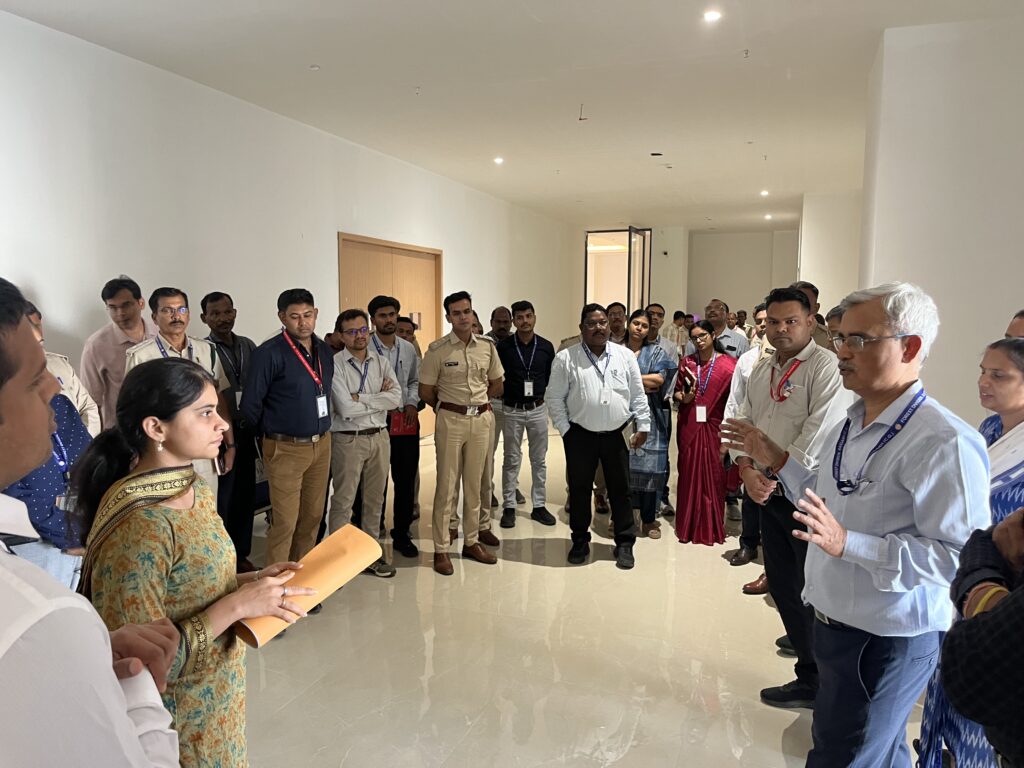
RAIGARH, CHHATTISGARH – June 7, 2026 – To tackle the rising complexities of human-elephant interactions, the Chhattisgarh Forest and Climate Change Department wrapped up a two-day, on-ground training program in Raigarh this weekend focused entirely on investigating elephant mortality.
The workshop, titled “Learning from Dead — Essentials for Mortality Investigation of Asian Elephant,” brought 78 forest officers and veterinary professionals together. Organized to coincide with World Environment Day, the initiative taught frontline teams how to treat wildlife deaths as active crime scenes and rigorous medical investigations.
Why This Matters Now
Chhattisgarh’s elephant population currently sits around 450. As these herds expand their movement into human-dominated areas across districts like Raigarh, Jashpur, Korba, and Surajpur, the state is seeing an increase in wildlife emergencies.
Forest officials note that without knowing exactly how an elephant died whether from infectious diseases like Elephant Endotheliotropic Herpesvirus (EEHV) or non-natural causes like electrocution and poisoning it is nearly impossible to prevent future deaths or build strong legal cases against poachers.
Moving from Theory to Field Execution
The initiative was driven by Forest Minister Shri Kedar Kashyap and guided by PCCF Shri Arun Pandey, with APCCF (Wildlife) Shri Matheshwaran V. coordinating the on-ground execution. The department brought in top national experts from the Wildlife Institute of India (WII), the Indian Veterinary Research Institute (IVRI), and the School of Wildlife Forensic Health (SWFH) for hands-on training.
The curriculum was designed to cover every angle of an elephant’s life and death:
•Anatomy & Captive Management: Before investigating a death, teams must understand the living animal. Day one sessions broke down the complex internal anatomy of the Asian elephant, which is crucial for navigating a massive carcass during an autopsy. Experts and local zoo veterinarians also led discussions on captive elephant management, helping field officers understand baseline health, behavior, and care protocols that can be applied to rescue situations.
•Crime Detection & Case Investigation: The training heavily emphasized that a dead elephant in the forest is a potential crime scene. Officers were trained on precise crime detection and case investigation procedures learning how to secure a perimeter, identify signs of poisoning or trap-wounds, and manage suspects.
•Vetro-Legal Procedures: Experts like Dr. Parag Nigam and Dr. C.P. Sharma from WII taught the staff how to properly establish a chain of custody for forensic evidence, particularly in cases involving ivory smuggling.
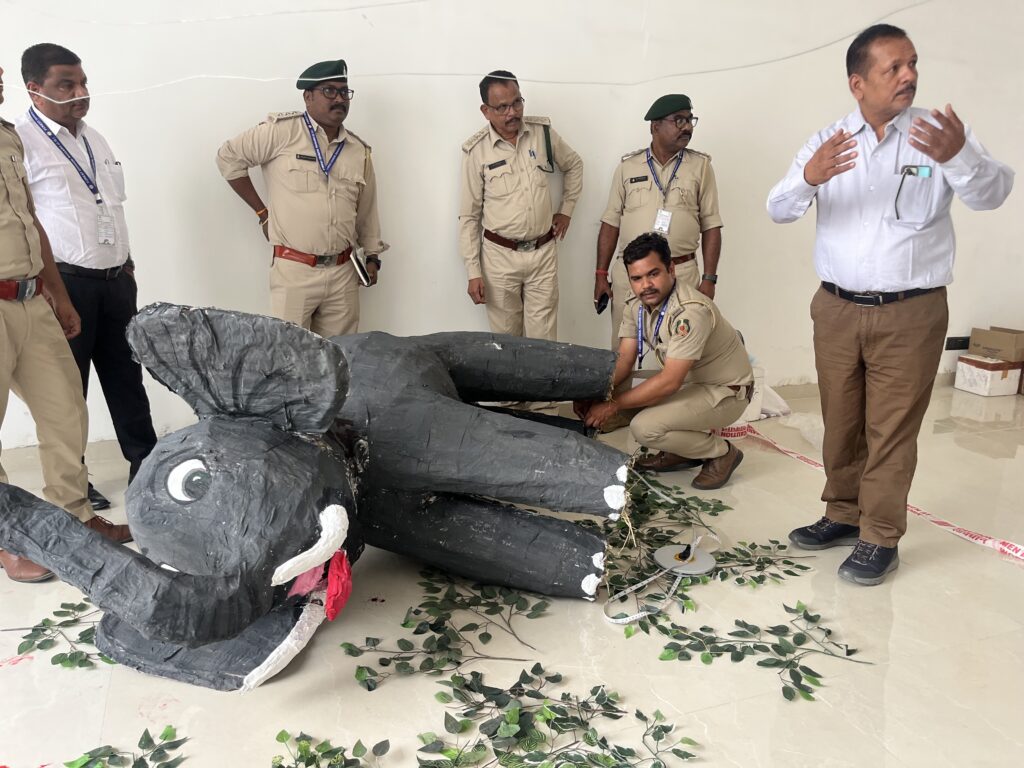
•Field Necropsies & Sample Preservation: The second day took officers into the field to practice the safe operation of chainsaws, winches, and axes to conduct autopsies in challenging terrain. They learned the exact protocols for collecting blood smears and tissue samples for histopathology and toxicology, and keeping them cold during transport to labs.
Breaking Down Silos for Better Conservation
A core theme throughout the two-day event was the heavy emphasis on coordination between the Forest and Veterinary departments towards scientific wildlife conservation.
Historically, field patrolling and medical investigations have operated on parallel tracks. This workshop actively bridged that gap, reinforcing that effective wildlife protection requires forest rangers and veterinary doctors to work side-by-side, sharing real-time data to track disease outbreaks and solve wildlife crimes. Senior officers, including Achanakmar Tiger Reserve Field Director Smt. Priyanka Pandey, actively participated in the sessions alongside the medical teams.
The Road Ahead
By the end of the workshop, the 78 attendees left with a standardized protocol for handling wildlife deaths. By upgrading the forensic and scientific skills of its frontline workers, the Chhattisgarh Forest Department is moving away from basic reporting and toward active, science-based disease surveillance and crime scene management to protect its growing elephant herds.