Forest Minister Kedar Kashyap and top officials bypass bureaucratic delays, pushing scientific climate adaptation and rigorous accountability directly into the hands of rural councils.
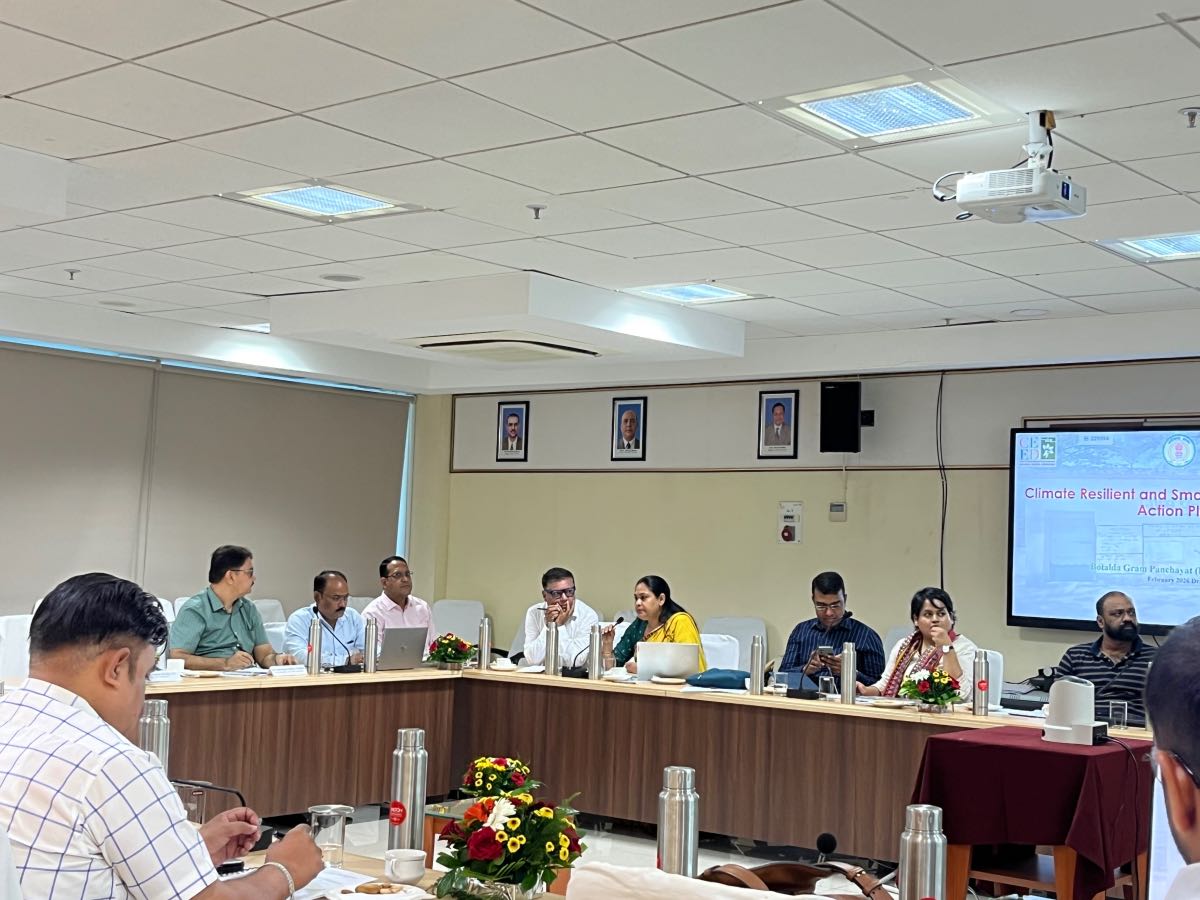
NAVA RAIPUR, July 29 — The Chhattisgarh Forest and Climate Change Department is completely overhauling how rural India fights extreme weather. Under the direction of Minister Kedar Kashyap, forest officials aren’t just managing trees anymore. They’ve stepped out of their traditional silos to architect a statewide ‘Climate Resilient Gram Panchayat’ (CRGP) initiative. The department is pushing climate defence straight to the grassroots level, and they won’t accept delays.
But how do you turn a vulnerable village into a fortress against erratic rainfall and heatwaves?
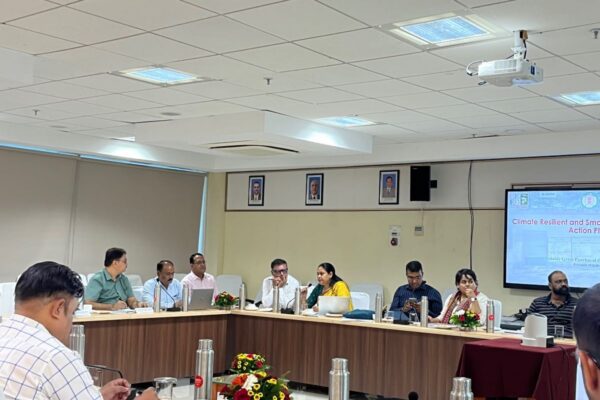
You bring in the experts and demand absolute uniformity. Sunil Kumar Mishra, nodal officer for the Chhattisgarh State Climate Change Centre (CGSCCC), opened today’s high-level workshop at Aranya Bhavan by outlining a universal blueprint. The forest department isn’t going to tolerate disjointed, ineffective planning across different districts anymore. They’re enforcing a cohesive, science-backed strategy for everyone.
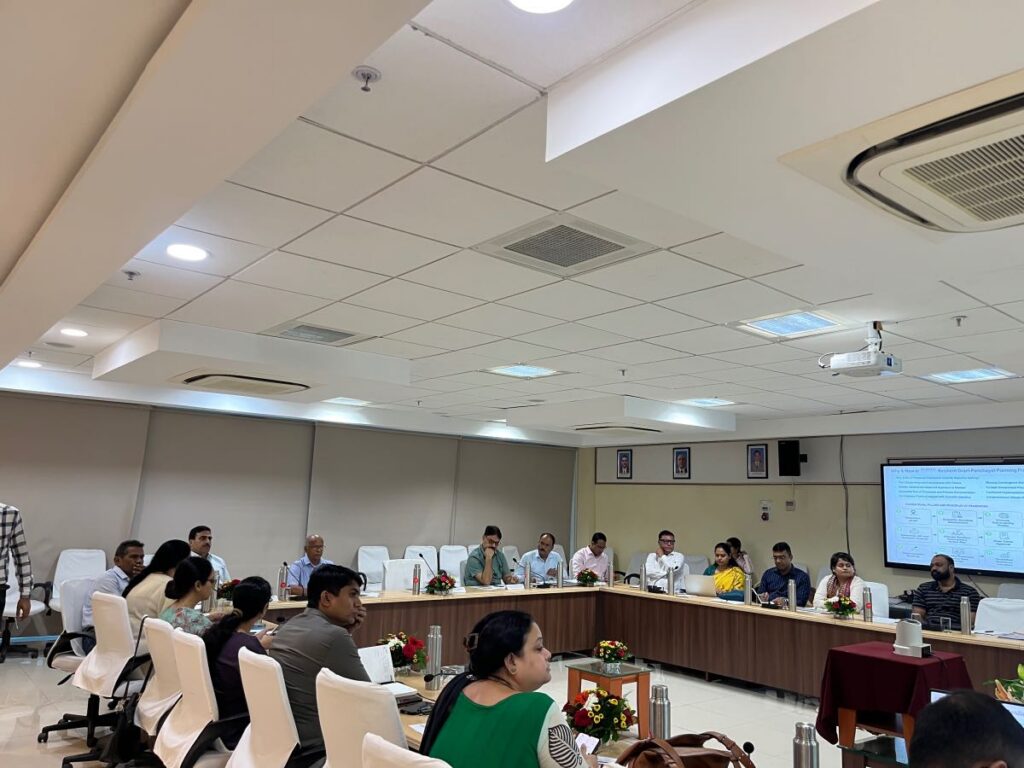
Principal Chief Conservator of Forests Arun Kumar Pandey drove the urgency home during his inaugural address. He directed his officers and participating agencies to finalise the template immediately. Pandey isn’t interested in theoretical paperwork gathering dust in a government drawer. He wants actionable blueprints that force local bodies to integrate disaster risk reduction, sustainable resource management, and climate mitigation into their daily governance.
They won’t let this initiative fail.
To guarantee compliance, the CGSCCC is building a specialised, scorecard-based monitoring tool. Assessors will grade panchayats on their actual water management, ecological health, and community participation. They’ve established clear certification tiers, ranging from ‘Excellent Climate Resilient’ down to councils that require ‘Immediate Improvement.’ The forest department is delivering a clear roadmap for success, but they’re backing it up with rigorous accountability and hard data.
They aren’t doing this in a vacuum. Dr. N.H. Ravindranath from the Indian Institute of Science presented the ideal structural template for these councils. And field organisations like PRADAN, TRI Foundation, and CEED brought their own ground-level data to the table. The forest department is deliberately synthesising top-tier scientific research with brutal field realities.
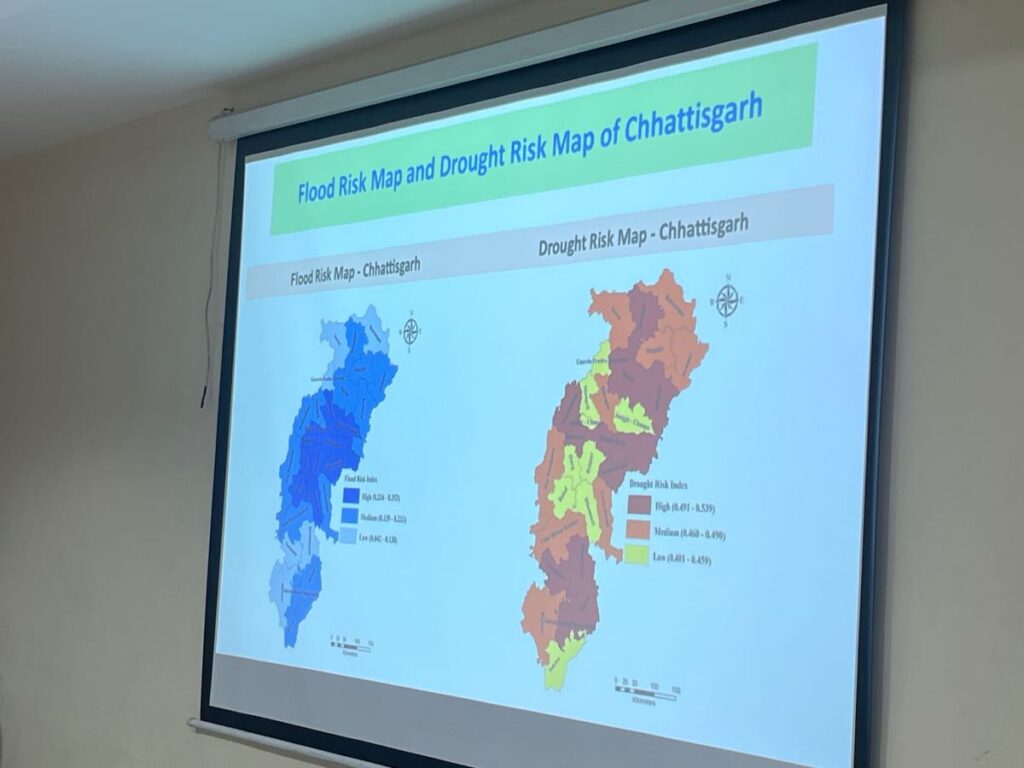
The department’s framework mandates aggressive rainwater harvesting, farm ponds, and the widespread adoption of drip irrigation. It doesn’t leave agricultural survival to chance. The template pushes farmers away from failing methods toward climate-smart crops, organic farming, and mandatory soil testing. Crucially, it locks in the protection of local forests and surrounding natural resources as an uncompromisable priority.
So officials are building economic safety nets directly into the ecological plan. The forest department knows a single drought can wipe out a community’s primary income. They’re funding livelihood diversification, specifically targeting beekeeping, mushroom cultivation, and localised skill development. A rural farmer who loses a harvest shouldn’t lose his entire livelihood in a single bad season.
Project expert Dr. Anil Srivastava closed the session by cementing the state’s timeline and thanking the gathered experts. The CGSCCC will launch the implementation phase shortly, deploying the new monitoring tools and testing the action plans in real-world conditions. Kashyap’s directive turns village councils into the absolute front line of India’s climate defence. They’ll either adapt, or they’ll break.