By elevating State Vice President Lakshmi Verma to the Upper House, the BJP sends a clear message to Chhattisgarh’s OBC heartland and women voters.
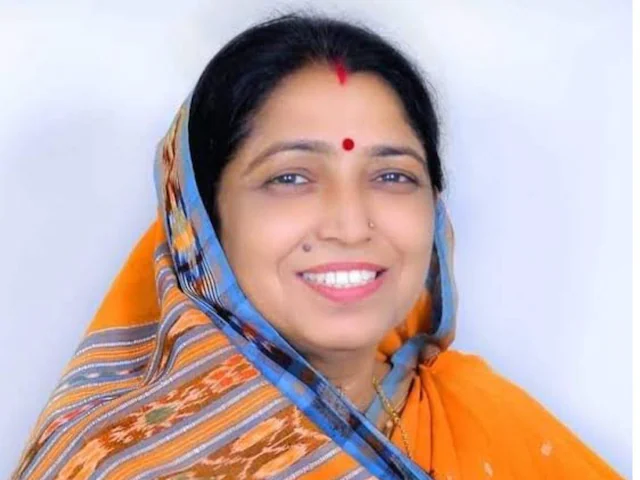
The Bharatiya Janata Party just slammed the door on political speculation in Chhattisgarh. By nominating Lakshmi Verma for the Rajya Sabha, the party didn’t just pick a representative; it handpicked a seasoned grassroots worker to represent the state’s soaring ambitions in New Delhi.
Verma’s ascent isn’t a fluke of timing. It’s a calculated, high-stakes move. Currently serving as the BJP’s State Vice President and a member of the State Women’s Commission, she’s long been the party’s quiet engine in the Kurmi-dominated belts.
Why her? Because she’s lived the grind. Unlike the ivory-tower appointments that often plague the Upper House, Verma’s resume is etched in the dust of Chhattisgarh’s villages. She’s a former member of the Raipur District Panchayat and has consistently served as the bridge between the party high command and the rural OBC vote bank.
The numbers tell the real story. With 54 seats in the 90-member Chhattisgarh Assembly, the BJP had the math locked down from day one. The vacancies, created as the terms of Congress MPs K.T.S. Tulsi and Phulo Devi Netam expire in April 2026, were always the BJP’s to lose. They chose to win big by picking a woman with deep community roots.
Critics expected a national heavyweight or a corporate parachute. They were wrong. The party’s decision to reward a local “organizational soldier” has sent ripples through the state’s political corridors. It tells every booth-level worker that the path to Parliament doesn’t always require a famous last name.
“It’s a victory for every woman working at the grassroots,” one local leader remarked as the news broke. Nobody in the Raipur party office seemed surprised, but everyone looked energized. The optics are perfect: a dedicated female leader from a pivotal community heading to the nation’s highest deliberative body.
But don’t mistake this for a mere symbolic gesture. Verma is known for a sharp, no-nonsense approach to policy, especially regarding women’s rights and rural development. She doesn’t just attend meetings; she dictates the agenda.
The Congress, meanwhile, finds itself on the back foot. Losing two seats in the Rajya Sabha is a bitter pill, especially when the BJP uses those seats to consolidate its grip on the OBC and women’s demographics. It’s a double blow that will be felt well into the 2028 state assembly cycle.
So, what’s the roadmap now? Verma is expected to file her nomination shortly, with the formal election process acting as a mere victory lap given the lopsided assembly strength.
The shift in Chhattisgarh’s representation marks a transition from “outsider” legal luminaries to “insider” community leaders. It’s a gamble on authenticity.
Verma’s arrival in the Rajya Sabha will likely catalyze a new focus on Chhattisgarh’s local issues on the national stage. She isn’t there to fill a seat; she’s there to pick a fight for her state’s share of the national pie.