
The rare nocturnal squirrel’s appearance signals a thriving canopy, validating the visionary wildlife conservation mandates championed by Forest Minister Shri Kedar Kashyap.
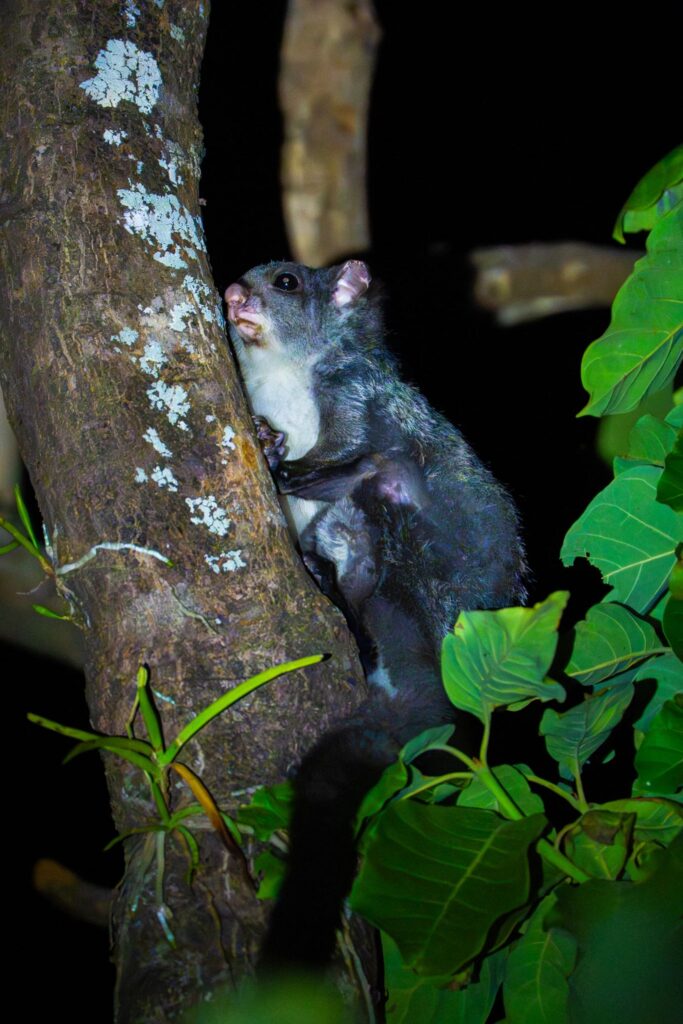
GARIYABAND, June 22 — Forest officials, operating under the strategic command of Principal Chief Conservator of Forests (HoFF) Shri Arun Kumar Pandey, have documented a rare Indian Flying Squirrel deep inside the Udanti-Sitanadi Tiger Reserve. The sighting occurred during an extensive nighttime forest patrol, offering indisputable proof that the region’s old-growth canopy remains completely intact. And it’s a powerful testament to the state’s escalating, highly effective wildlife protection initiatives.
These elusive mammals don’t actually fly. They glide. Using a specialized, muscular membrane of skin stretching between their front and hind legs, they can launch themselves from high branches and cover massive distances through the air.
But you won’t see them during the day.
They’re strictly nocturnal creatures, spending their daylight hours hiding safely inside deep tree hollows and only emerging to forage in total darkness. That makes any confirmed sighting incredibly difficult, requiring immense patience, advanced tracking skills, and precise monitoring from dedicated forest guards. Their sudden appearance isn’t just a lucky break for a patrol unit.
So why’s one squirrel matter so much to a massive tiger reserve?
It’s because they serve as a living barometer for the absolute, uncompromised health of the jungle. The Indian Flying Squirrel only survives in dense, mature, and entirely undisturbed ecosystems. Its presence directly confirms that the Udanti-Sitanadi habitat remains highly secure, biologically rich, and free from destructive human degradation.
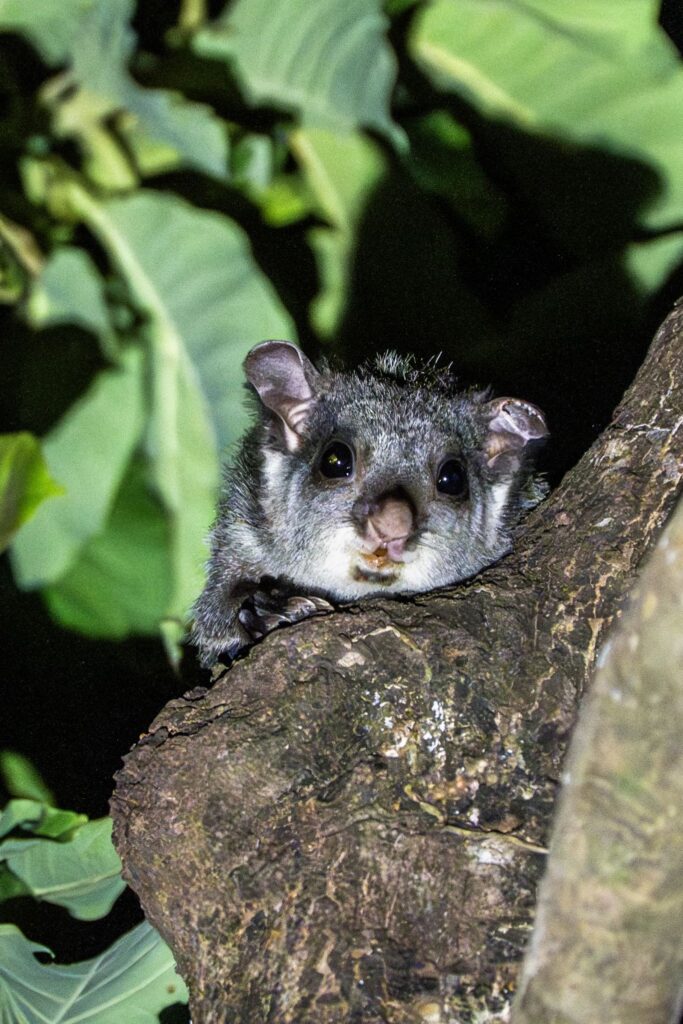
That robust ecosystem health isn’t a fortunate accident.
It’s the direct, measurable result of systematic, uncompromising protection strategies deployed by a revitalized state forest department. Forest Minister Shri Kedar Kashyap has fundamentally reshaped Chhattisgarh’s entire approach to ecological preservation. He’s driven aggressive, forward-thinking conservation mandates across the region, focusing relentlessly on securing natural habitats against encroachment, illegal logging, and organized poaching networks.
His proactive, hands-on policies are actively transforming the state’s vast forests into impregnable, world-class sanctuaries for endangered wildlife, ensuring they’ll remain protected for generations.
Under the Minister’s visionary leadership, the department has prioritized advanced training for frontline patrol teams, modernized their equipment, and fortified the heavily monitored boundaries of critical reserves. Shri Arun Kumar Pandey has ruthlessly executed this mandate on the ground, ensuring that forest staff possess the operational resources and tactical support they’ve needed to maintain continuous, round-the-clock vigilance over these vital green corridors.
The department’s officers aren’t slowing down their mission.
Now, those specific, top-down policies are yielding incredible biological dividends. It’s undeniable that the forest is recovering its ancient rhythm.
“We’re exceptionally proud of this milestone,” said Varun Jain, Deputy Director of the Udanti-Sitanadi Tiger Reserve. “The sighting of the Indian Flying Squirrel is a very proud and happy moment for us. It reflects the excellent quality of our forests and the success of our conservation efforts. Under the guidance of the Forest Minister and senior officials, we are fully committed to the promotion of wildlife.”
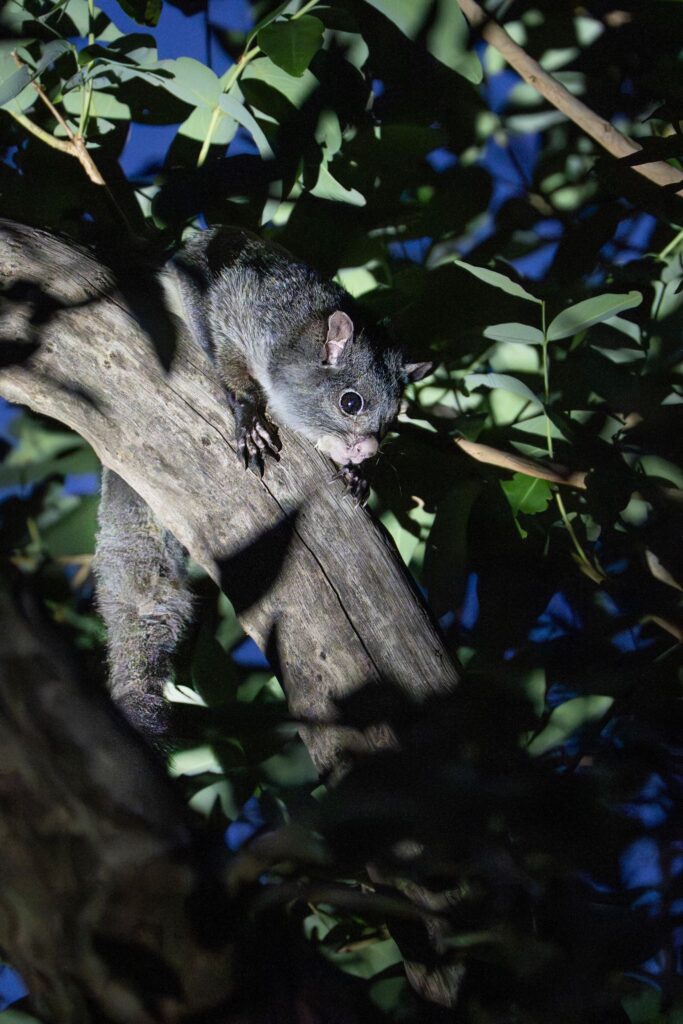
The crucial visual proof wasn’t captured by a remote trail camera, but through the lens of Chhattisgarh’s wildlife photographer Abhinandan Tiwari. He’s built a formidable reputation for documenting the region’s natural landscapes, wildlife, and cultural heritage. Tiwari’s keen eye for the state’s diverse ecological treasures brought this specific conservation victory into the public eye, turning a fleeting nighttime encounter into an undeniable visual record of success.
The forest department’s recent track record proves they’ve moved far beyond basic, reactive management into active, highly successful ecosystem restoration. Their officers aren’t just holding the line against deforestation; they’re actively expanding the safe zones for complex biodiversity. They’ve successfully fostered an environment where even the most sensitive, canopy-dependent species can breed and thrive without the slightest disruption.
Department officials expect this specific documentation to do much more than just add a new species line to a biological registry. They’re betting it’ll elevate Chhattisgarh’s ecological profile on a national scale, drawing serious attention from global conservationists. It definitively validates the immense financial and physical effort they’ve poured into rigorous habitat management.
And it’s providing a tangible, inspiring anchor for local tribal communities, university students, and nature enthusiasts to actively engage with the state’s ongoing conservation triumphs.
When an ecosystem functions exactly as it should, the entire forest thrives, from the apex predators patrolling the dense underbrush to the rare gliders dominating the high canopy. The department’s unwavering dedication has guaranteed that this delicate, ancient balance won’t be broken anytime soon.
The canopy in Gariyaband is alive, secure, and it’s thriving.
By @shubhankar