Forest officials confirm a female sloth bear and her two cubs died instantly after encountering a live high-tension wire in the Katghora forest division.
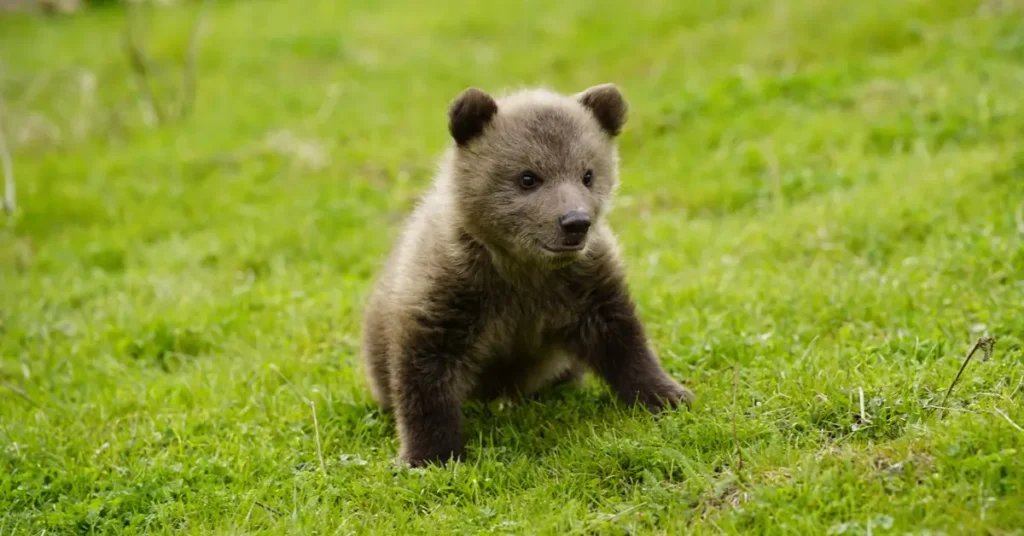
A mother sloth bear and her two cubs were killed instantly after coming into contact with a live high-tension electricity wire in the Katghora forest division. The carcass of the adult female and her young were discovered by local villagers early Friday morning in the protected forest area.
Initial reports from the scene indicate the bears were moving through the brush when they brushed against a wire that had sagged dangerously close to the ground. The surge of electricity left no room for escape. Forest officials arrived shortly after the discovery to secure the perimeter and begin an investigation into the maintenance of power lines in the sensitive wildlife corridor.
This isn’t the first time the region’s wildlife has paid the price for aging infrastructure. The Katghora division serves as a primary habitat for sloth bears, yet the intersection of high-voltage lines and dense forest continues to create lethal traps. Villagers in the surrounding area often report sparking lines and low-hanging wires, but residents say repairs are slow and infrequent.
“The death of three bears in a single incident is a massive blow to the local ecosystem,” said a local wildlife officer who requested anonymity because he wasn’t authorized to speak to the press. He noted that sloth bears are protected under Schedule I of the Wildlife Protection Act, making this a high-priority criminal investigation.
But who is accountable for the sagging wire?
The electricity department often points to heavy winds or falling branches as the cause of line sagging. Forest department records tell a different story of persistent neglect. In many parts of Chhattisgarh, the battle between the power grid and forest conservation ends in charred remains. When a mother and two cubs are wiped out in seconds, the “accident” label starts to feel like a convenient excuse for poor oversight.
Teams from the forest department have sent the remains for a post-mortem examination to officially confirm the cause of death as electrocution. They’ve also initiated a formal inquiry against the local power distribution company to determine if negligence played a role. If investigators find the lines were not maintained to safety standards, the department can file charges under the Wildlife Protection Act.
The loss of a breeding female and her offspring is particularly damaging for the Korba bear population. Sloth bears have slow reproductive cycles, and losing an entire family unit can destabilize the local census for years. And as human encroachment and infrastructure projects push deeper into the woods, these encounters are becoming a grim routine.
Is the cost of rural electrification meant to include the extinction of local fauna?
Authorities say they are now scanning the rest of the Katghora division for similar hazards. They’ve promised to coordinate with power officials to raise the height of the lines in known animal crossings. Whether those promises turn into actual maintenance remains to be seen by the people and the predators who live there.
The forest remains quiet today, but the investigation into the Korba three is just starting.