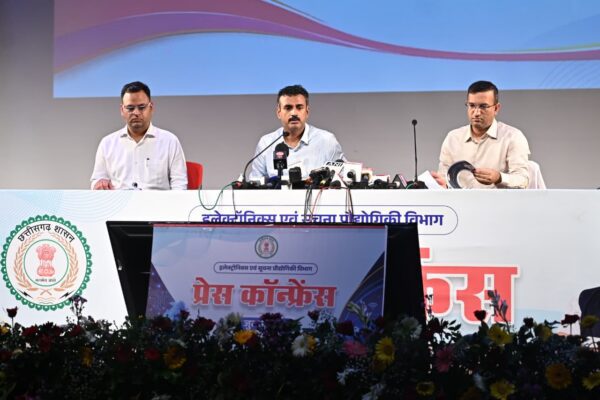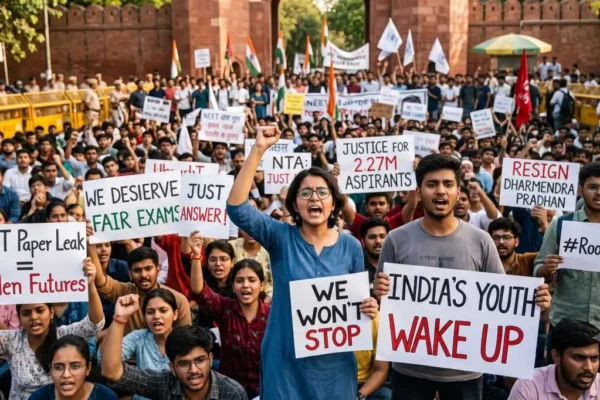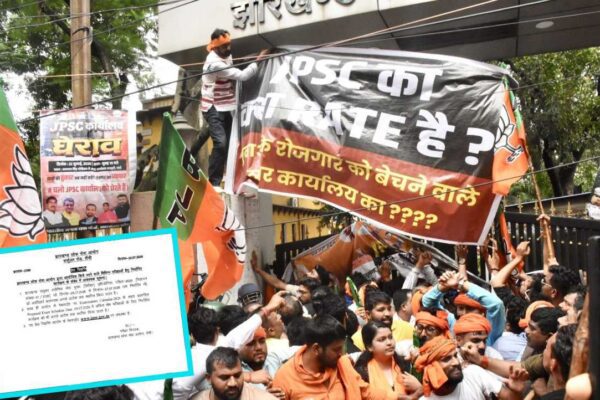
The National Testing Agency has scrapped the May 3 medical entrance exam after evidence of systemic irregularities triggered a high-level Central Bureau of Investigation probe.
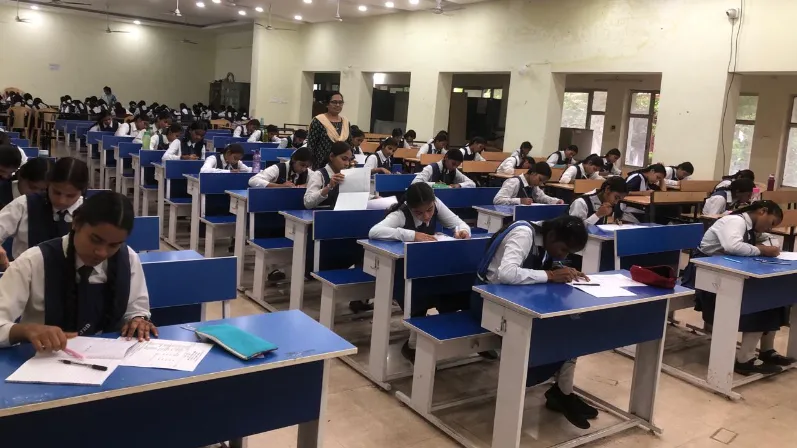
NEW DELHI, May 12 — The National Testing Agency has scrapped the May 3 NEET (UG) 2026 examination following credible evidence of a widespread paper leak. It’s a move that’s sent shockwaves through the medical education system across the country. Agency officials confirmed on Tuesday that the decision aims to protect the integrity of the selection process and ensure students don’t lose faith in the competitive framework.
NTA leadership says they’ve acted on specific inputs from investigative agencies that suggested the exam’s sanctity was compromised beyond repair. They’ve handed the entire case to the Central Bureau of Investigation for a thorough crackdown on the alleged “paper leak mafia.” It’s not just a minor glitch; it’s a systemic failure. The CBI will now lead an expansive probe into alleged irregularities and rigging that have cast a shadow over one of the world’s largest entrance tests.
And the stakes couldn’t be higher for the nearly 2.5 million students who sat for the test. They’ve been left wondering if their hard work was for nothing. NTA’s official statement clarifies that the current examination process could no longer be maintained in light of the early investigative reports. This isn’t just about a few leaked questions; it’s about a breach that reached the heart of the national testing infrastructure.
But the shift in the NTA’s stance didn’t happen overnight. Just a few days ago, agency spokespeople were leaning heavily on their security protocols and AI-driven surveillance as proof that the paper was secure. They’d touted a high-tech “fortress” around the exam content. That narrative collapsed on May 8 when central agencies provided the “smoking gun” evidence that made the cancellation mandatory.
How does a system built on multiple layers of AI and high-tech surveillance fail so spectacularly?
Rajasthan’s Special Operations Group was the first to pull at the thread that eventually unraveled the entire operation. Their local investigations into cheating rings provided the critical link to a broader, more sophisticated network. It’s now clear that the digital and physical safeguards weren’t enough to stop an organised breach from within the logistical chain.
The government’s directive to bring in the CBI suggests that the scale of the corruption might be national. Investigators are set to examine the entire chain of custody for the question papers, from the high-security printing presses to the regional transport hubs and individual exam centres. They’re looking for insiders who might’ve bypassed the agency’s biometric and electronic locks.
Trust, it seems, is the first casualty of a compromised algorithm.
Students won’t have to wait indefinitely for answers, though the wait will be anxious. The NTA has announced that the cancelled exam will be re-conducted. They haven’t set the new date yet, but they’ve promised that fresh admit cards and a revised schedule will appear on the official website soon. For now, the agency is advising students to ignore rumours on social media and stick to official notifications.
The logistical nightmare of re-organising an exam for millions of candidates is immense. It involves booking thousands of secure centres again, printing millions of new booklets, and coordinating with state police forces to prevent a repeat of the May 3 disaster. It’s an administrative hurdle that’ll cost the taxpayer crores of rupees and the students months of additional stress.
So, the focus now shifts to the CBI’s headquarters. The bureau’s task is to identify every individual involved in the leak, from the masterminds to the conduits who sold the papers. They’ve been asked to produce a preliminary report as quickly as possible to prevent any further delay in the academic calendar. The NTA has pledged full cooperation, acknowledging that they can’t afford another breach if they want to salvage their reputation.
The education ministry’s decision to involve the CBI also signals a tougher stance on paper leaks. Recent legislative changes have increased the penalties for such crimes, and this case will likely be the first major test of those new laws. The goal isn’t just to catch the current culprits but to create a deterrent that’ll protect future examinations.
The integrity of the next exam will be the NTA’s final chance to prove it’s still fit for purpose.