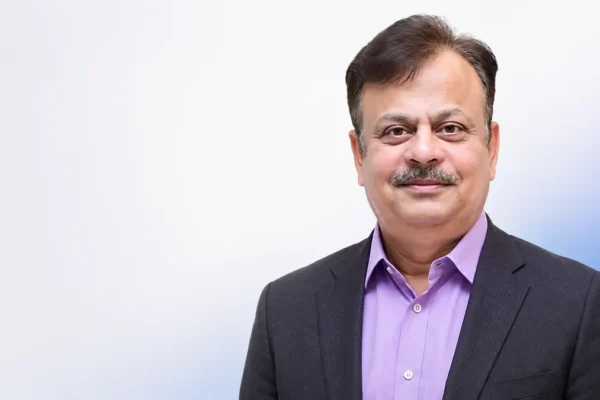
Norwegian reporter Helle Lyng Svendsen sparked a global debate after Indian Prime Minister Narendra Modi refused to answer questions during his Oslo state visit.
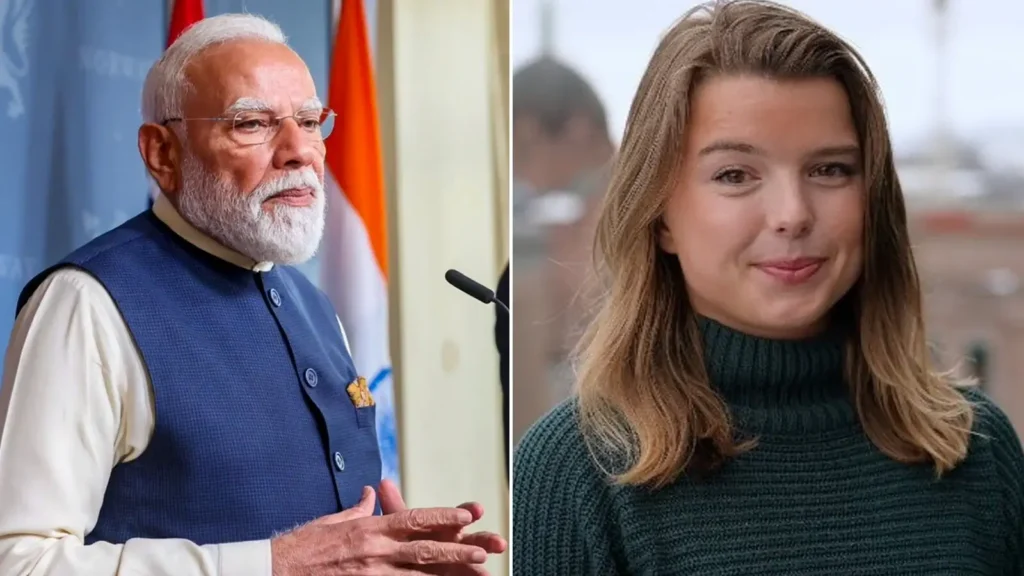
Indian Prime Minister Narendra Modi refused to answer questions from the world’s freest press during his state visit to Norway. He walked from the podium after a joint appearance with Norwegian Prime Minister Jonas Gahr Støre. But Dagsavisen commentator Helle Lyng Svendsen didn’t let him leave the room in silence. She shouted a question at his back, asking why he wouldn’t engage with journalists in a country that tops the World Press Freedom Index.
He didn’t even look back.
Svendsen knew he wouldn’t answer. She filmed the rejection, uploaded the clip to X, and watched it explode past eight million views in hours. And that viral moment triggered an intense backlash from Indian right-wing trolls who published her home address and mobile number online. They branded the Norwegian reporter a political spy and an activist, rather than a journalist doing her job. Svendsen isn’t backing down from the digital intimidation. She sat down with BBC News Hindi editor Nitin to dissect the confrontation and expose the stark reality of India’s democratic decline.
Norway currently holds the number one spot on the global press freedom index. India languishes at 157th, competing directly with nations like Palestine, the United Arab Emirates, and Cuba. That massive 156-place gap dominated the conversation between Svendsen and the BBC editor. Svendsen told Nitin she didn’t expect a response from a leader who hasn’t held an open press conference in his own country since taking office in 2014. She stated it’s her fundamental duty to question the powerful figures her government cooperates with on the global stage.
Why should a privileged reporter in Oslo risk coordinated harassment to challenge a visiting foreign leader? Svendsen answered that clearly. She told Norwegian outlet Klar Tale that if journalists sitting safely in Norway won’t stand up for freedom of speech, absolutely no one else will. She pointed out that Prime Minister Støre respects the press as the fourth estate and stayed to answer questions after Modi exited. Modi’s silence didn’t stop Svendsen from pressing the issue later that same evening.
She attended a follow-up media briefing hosted by the Indian Embassy in Oslo. Sibi George, Secretary in India’s Ministry of External Affairs, ran the session. Svendsen confronted him directly about India’s human rights record and severe press crackdowns. She said the diplomat became visibly agitated, and he wouldn’t engage with her inquiry. He attempted to derail the conversation by talking about vaccines, yoga, and Mahatma Gandhi. When she demanded a direct answer, George bluntly told her she was wasting his time.
Diplomatic deflection didn’t work. The incident dominated social media discourse across India, drawing direct commentary from prominent opposition leaders. Indian National Congress leader Rahul Gandhi shared the video on X, asking what happens to India’s global image when the world sees a panicked Prime Minister running from a few basic questions. Svendsen’s follower count surged from under 800 to more than 24,000 in a single day. She used that massive platform to reiterate her journalistic mission.
She told Medier24 she isn’t worried about her physical safety because she lives in a nation that protects its reporters. She received messages from Indian citizens warning her to be careful, but she trusts the Norwegian democratic system. Dagsavisen editor-in-chief Lars West Johnsen confirmed the newspaper doesn’t fear for her security either. They stand entirely behind her decision to hold a visiting head of state accountable.
The entire episode exposes the stark contrast between two vastly different political realities. Modi operates in an environment where the state tightly controls media access and independent journalists face constant threats of imprisonment. Svendsen operates in a system where questioning authority isn’t just allowed, it’s expected. She didn’t break protocol by shouting a question at a departing leader. She exposed the fragility of a political image built on tightly controlled narratives and staged appearances.
Governments sign treaties, forge trade agreements, and host joint press appearances to project strength. Journalists like Svendsen don’t care about the carefully choreographed photo opportunities. They care about the truth hiding behind the handshake. Modi travelled 4,000 miles to project global leadership, but he couldn’t handle a single unscripted question from a local reporter.
He can’t outrun the rankings.