
Unidentified gunmen fired at his manager’s Haryana home just days after a think-tank begged the American-citizen Punjabi superstar to contest Indian state elections.
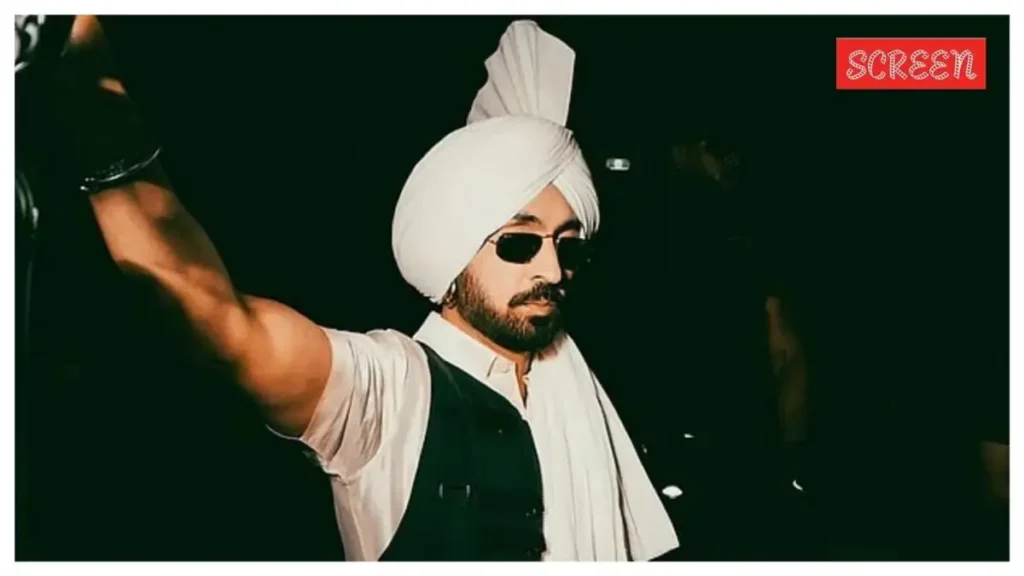
NEW DELHI, May 17 — Two empty cartridges lying outside a rural farmhouse in Haryana tell only a fraction of the chaotic story currently engulfing India’s most prominent global Punjabi superstar. Within a single, breathless week, Diljit Dosanjh’s manager survived a targeted shooting, a cadre of retired bureaucrats publicly begged the singer to enter state politics, and a national newspaper revealed he doesn’t even hold an Indian passport anymore. It’s a sudden, violent collision of organised crime, political desperation, and international fame that exposes the intense pressures weighing on the nation’s cultural icons.
The gunfire broke the rural silence on May 12 outside the Gonder village home of Gurpartap Singh Kang, Dosanjh’s long-time manager. Unidentified assailants fired multiple shots at the Karnal district property and vanished into the night, leaving the Haryana Police scrambling for answers. They’ve recovered the shell casings from the scene, but investigators haven’t received a formal complaint from Kang or his immediate family. Law enforcement officials confirmed the matter remains under active investigation, even as the targets themselves maintain a fearful silence.
The Lawrence Bishnoi gang didn’t wait for a police report to take the credit for the attack. A chilling social media post attributed to prominent gang members Tyson Bishnoi, Aarzoo Bishnoi, and Hari Boxer claimed full responsibility, branding the gunfire a “third warning” to Dosanjh and his management team, specifically naming Sonali Kang alongside Gurpartap. They’re demanding the singer completely distance himself from an unnamed employee whom they accuse of harassing women during a recent Australian concert tour. The syndicate insists they aren’t looking for extortion money this time. Instead, they claim they deliberately used Austrian-made weapons simply to send an undeniable message about moral misconduct, promising severe consequences if their demands aren’t met.
But the timing of the attack couldn’t be more suspicious for those watching the state’s power dynamics. Just three days before the shooting, a prominent think-tank called the Jago Punjab Manch took out full-page advertisements in leading regional newspapers. The group, packed tightly with retired IAS officers, defence personnel, and prominent civil society activists, publicly urged Dosanjh to step up and lead Punjab. They’re pointing to a severe, ongoing “crisis of leadership” and a sputtering state economy. They hoped the singer’s massive, cross-generational popularity might translate into a political wave ahead of early next year’s crucial assembly elections. The advertisement directly mirrored recent events in Tamil Nadu, where cinestar Vijay successfully led his TVK party to a surprise electoral victory.
Dosanjh wasn’t having any of it. He took to X, the platform formerly known as Twitter, and immediately shot down the desperate draft attempt. “Kadey v Nhi,” he wrote, telling his millions of followers he wouldn’t ever pivot to politics. He’s made it crystal clear his only job is to entertain, adding he is very happy in his field. He thanked the public for their faith but firmly bolted the door on any electoral ambitions.
That swift rejection hasn’t stopped the political mudslinging from escalating. Punjab Chief Minister Bhagwant Mann of the ruling Aam Aadmi Party quickly seized on the Karnal shooting between May 12 and May 13, directly linking the gangsters’ bullets to the ballot box. Mann publicly accused the Bharatiya Janata Party of trying to strong-arm Dosanjh into joining their political ranks. He labelled the violent attack on the manager’s home as pure “intimidation tactics” executed immediately after the singer’s public refusal. The Chief Minister claims the BJP simply can’t handle the superstar’s rejection, turning to a “politics of threat” to force compliance in a Sikh-majority state where they’ve historically struggled to find a foothold.
So, who really stands to gain from terrifying the singer’s management team? The BJP hasn’t issued a formal, point-by-point response to Mann’s explosive allegations, but the resulting crossfire highlights the immense pressure mounting on prominent Sikh figures. It’s a high-stakes environment where cultural influence translates directly into political capital, and nobody wants to be left empty-handed as election season approaches.
They simply didn’t realise the superstar’s passport had already shattered their political fantasy.
On May 14, an exclusive report by the Indian Express revealed Dosanjh isn’t even legally permitted to run for office in India. The newspaper confirmed the singer acquired United States citizenship in 2022. He’s been travelling the globe on an American passport and specifically using an e-visa to enter the country of his birth since September of that year. You can’t contest an Indian election without holding Indian citizenship, meaning the retired bureaucrats’ full-page advertisements were fundamentally useless from the very start.
The citizenship revelation adds another complex layer to Dosanjh’s increasingly fraught relationship with Indian nationalism and international politics. He’s faced intense, ongoing scrutiny from right-wing groups over his massive global tours and unapologetic Sikh identity. Just weeks ago, during a massive stadium concert in Calgary, Canada, protesters planted in the crowd suddenly unfurled pro-Khalistan flags. Dosanjh didn’t ignore the provocation or quietly play along. He immediately halted the music mid-song, ordering his security team to physically remove the disruptors from the venue. He told the massive crowd his shows are built strictly on unity and meant for audiences of all age groups, proving he won’t tolerate separatist disruptions on his watch.
Despite his clear stance on unity, state authorities aren’t convinced the broader environment in Punjab is remotely secure. Punjab Governor Gulab Chand Kataria gave a blunt interview to the Hindustan Times on May 14, stating the state’s law and order situation remains entirely “not satisfactory.” He specifically highlighted a dangerous, unchecked spike in organised crime and targeted violence. Kataria’s assessment points directly to the growing influence of criminal syndicates like the Bishnoi gang, who clearly feel emboldened enough to shoot up a celebrity manager’s home without fear of immediate arrest. He’s demanding greater accountability and seamless coordination between central and state intelligence agencies, knowing the current fractured approach simply isn’t keeping people safe.
The entire saga perfectly encapsulates the perilous reality of modern Indian stardom. You don’t just get to be a singer anymore. Dosanjh is navigating a treacherous minefield where imprisoned gangsters demand moral policing via gunfire, retired bureaucrats demand political salvation through newspaper ads, and rival political parties use his name to score cheap, dangerous points against each other on the national stage. He’s dodging literal bullets while managing an international brand.
The Haryana police haven’t made a single arrest in the Karnal shooting. The Lawrence Bishnoi gang hasn’t retracted its threats against the management team. The Jago Punjab Manch hasn’t found a new political saviour to replace their impossible candidate, and Chief Minister Bhagwant Mann hasn’t backed down from his severe accusations against the BJP. And the political machinery keeps grinding, and the criminal networks keep operating in broad daylight. Diljit Dosanjh won’t be their pawn.



Leave a Reply