From Similipal to Debrigarh, a string of long walks shows how tigers still use India’s shrinking forest corridors

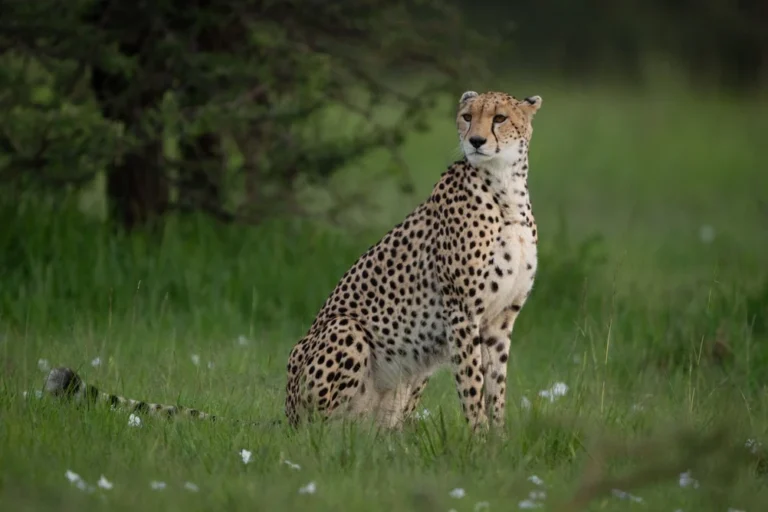
RAIPUR, Nov 10 : Over the past year, tigers have kept appearing in Odisha forests after crossing from the Chhattisgarh side. Forest officers call these walks “dispersal”, and they reveal how thin the margin is for tigers in this region.
Why do tigers leave home?
Young males are pushed out of established territories and go looking for room. Wildlife experts describe the movement as a natural drive to find new territory, mates and prey-rich areas.
The recent cases
- Similipal (confirmed April 2026): Officials said a male tiger entered Sundargarh from the Chhattisgarh side in December–January, passed through Deogarh and Dhenkanal, and reached Similipal. The field director said they cannot say which state it came from or how far it travelled. Reports of the distance range from 800 to 1,500 km.
- Debrigarh (this month): A tiger was recorded on camera and seen by patrol staff in Debrigarh Wildlife Sanctuary. Its origin awaits analysis by the NTCA and the Wildlife Institute of India. Officials believe it may have come from Madhya Pradesh through Chhattisgarh.
- Gomarda to Jharkhand (August 2025): A male tiger believed to have dispersed from Chhattisgarh’s Gomarda sanctuary was tracked by pugmarks through Sundargarh and Jharsuguda, and was suspected to have entered Jharkhand.
Why this matters
Both states have few tigers. The 2022 estimate was 17 in Chhattisgarh (down from 19 in 2018) and 20 in Odisha (down from 28), against 785 in Madhya Pradesh and 444 in Maharashtra. Three Chhattisgarh reserves (Achanakmar, Indravati and Udanti-Sitanadi) and Odisha’s Satkosia had fewer than ten tigers.
For small, isolated populations, a wandering male can bring new genes. Similipal had 27 adult tigers and eight cubs in the 2023–24 estimation. Dispersal also shows that connected forest still exists. Odisha’s Sunabeda sanctuary, for example, is contiguous with Chhattisgarh’s Udanti and Sitanadi forests.
The risks on the way
Walking tigers cross roads, farms and power lines. A tiger that stayed in Debrigarh from 2022 to 2024 later died of electrocution in Chhattisgarh’s Gomarda region. Coordinated tracking and safe corridors matter as much as protecting the reserves.
What to watch
Similipal plans to redeploy camera traps in December–January to check whether its visitor stayed, and the Debrigarh tiger’s origin should be confirmed by the NTCA and WII.
Discover more from Roots Alert
Subscribe to get the latest posts sent to your email.